


Twitter has been taking an active approach against harassment and inappropriate content this year, and now, the social media site is using yet another weapon in its fight against online trolls and bullies.
Morally Motivated Networked Harassment as Normative Reinforcement
While online harassment is recognized as a significant problem, most scholarship focuses on descriptions of harassment and its effects. We lack explanations of why people engage in online harassment beyond simple bias or dislike. This article puts forth an explanatory model where networked harassment on social media functions as a mechanism to enforce social order. Drawing from examples of networked harassment taken from qualitative interviews with people who have experienced harassment ( n = 28) and Trust & Safety workers at social platforms ( n = 9), the article builds on Brady, Crockett, and Bavel’s model of moral contagion to explore how moral outrage is used to justify networked harassment on social media. In morally motivated networked harassment, a member of a social network or online community accuses a target of violating their network’s norms, triggering moral outrage. Network members send harassing messages to the target, reinforcing their adherence to the norm and signaling network membership. Frequently, harassment results in the accused self-censoring and thus regulates speech on social media. Neither platforms nor legal regulations protect against this form of harassment. This model explains why people participate in networked harassment and suggests possible interventions to decrease its prevalence.

Years Ago, Black Feminists Worked Together to Unmask Twitter Trolls Posing as Women of Color. If Only More People Paid Attention.
The fake accounts had handles like @NayNayCantStop, @LatrineWatts, and @CisHate, and bios like “Queer + black + angry.”
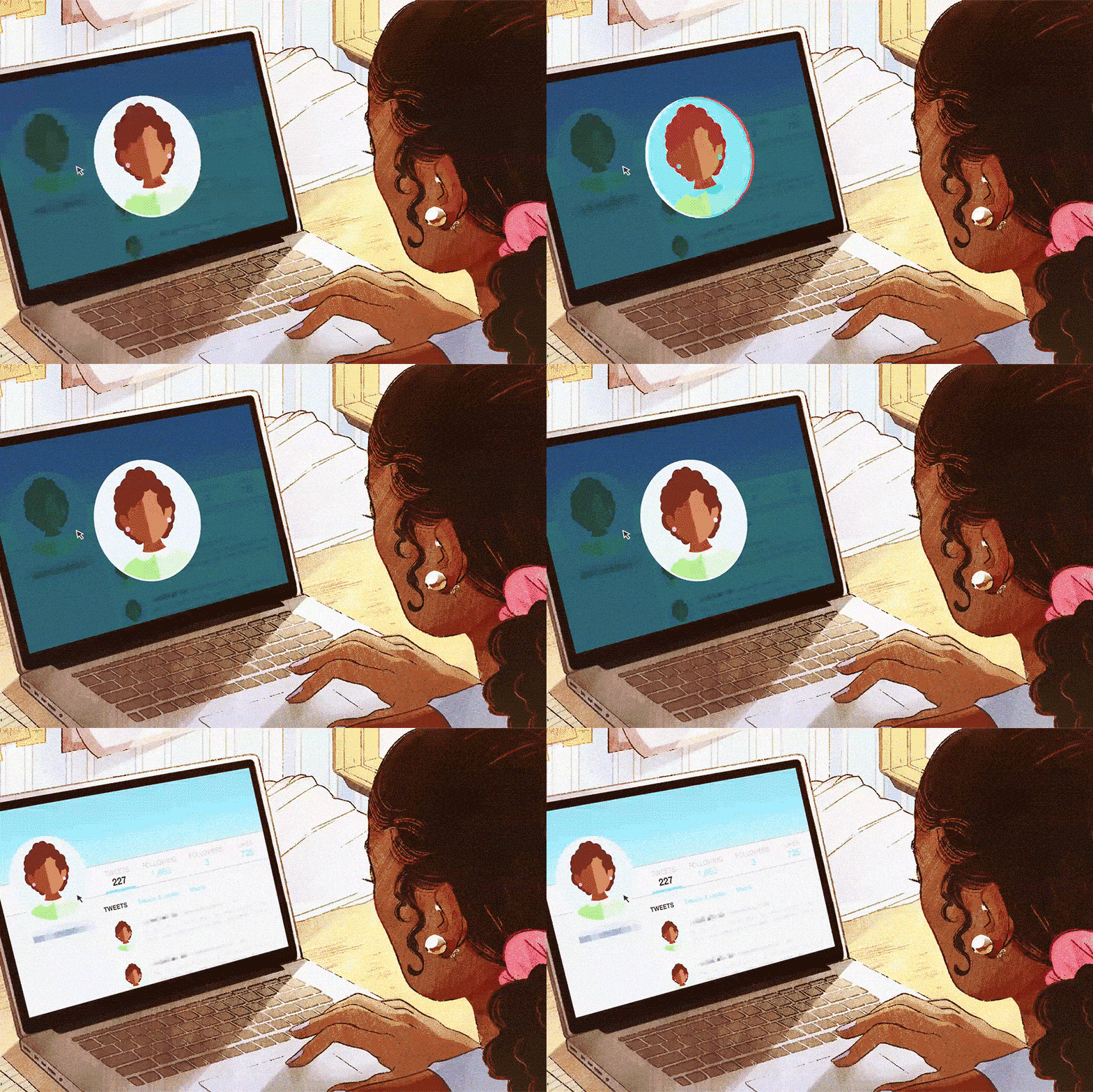
Years Ago, Black Feminists Worked Together to Unmask Twitter Trolls Posing as Women of Color. If Only More People Paid Attention.
The fake accounts had handles like @NayNayCantStop, @LatrineWatts, and @CisHate, and bios like “Queer + black + angry.”
Play nice! How the internet is trying to design out toxic behaviour
Online abuse can be cruel – but for some tech companies it is an existential threat. Can giants such as Facebook use behavioural psychology and persuasive design to tame the trolls?

I am a 15-year-old girl. Let me show you the vile misogyny that confronts me on social media every day | Anonymous
Objectification, hate, rape threats: the politicians debating online abuse mean well, but to truly understand, they need to see what I see
Criticism of X (social network)
X, formerly known as Twitter, has faced various criticisms over the years, particularly concerning content moderation, censorship, and platform management.
Harm Through the “#RizzCam”: Smart Glasses, Ambient Capture and Invisible Harassment
In online safety research, harassment is commonly understood as involving overt and unwanted acts that create a hostile environment for individuals or groups. Smart glasses, or wearable digital devices that are often indistinguishable from ordinary eyewear but can record video, audio and location data in real time, enable new forms of online harassment and gender-based harms that may not be recognised by current online safety or platform governance frameworks. Drawing on an interpretive content analysis of 350 point-of-view Instagram videos posted by individuals self-associated with the pick-up artistry (PUA) community, we examine how smart glasses can be used to harass women through what we call ambient capture. Ambient capture includes clandestine recording of people and social interactions within public, semi-private and private spaces. We argue this can constitute harassment when it is targeted at women and shared online without their consent. In our study, we found videos using ambient capture practices to harass women that had gone undetected by Instagram’s content moderation systems. These findings suggest online safety regimes and content moderation approaches should be assessed to ensure they account for the more invisible forms of harassment introduced by smart glasses and other wearable technologies.
AI-powered online abuse: How AI is amplifying violence against women and what can stop it | UN Women – Headquarters
AI is turning online spaces into new frontiers of abuse. Feminist and tech experts, Laura Bates and Paola Gálvez-Callirgos, explain how it happens and how we fight back.

Hackers Used New Weapons to Disrupt Major Websites Across U.S. (Published 2016)
Users of Twitter, Netflix and other sites reported failures after a company managing crucial parts of the internet infrastructure said it was under attack.

Twitter Wants to Reinvent Itself, by Merging the Old With the New (Published 2022)
The company is undertaking a far-reaching effort to change how it works. For some, it is an echo of their early idealism and a vision for what the internet could have been.

Twitter ‘Blue’: Sex workers, censorship and the fight for online visibility - Index on Censorship
After being shut out online, sex workers saw Twitter Blue as a tool for more visibility. However, it's had the opposite effect
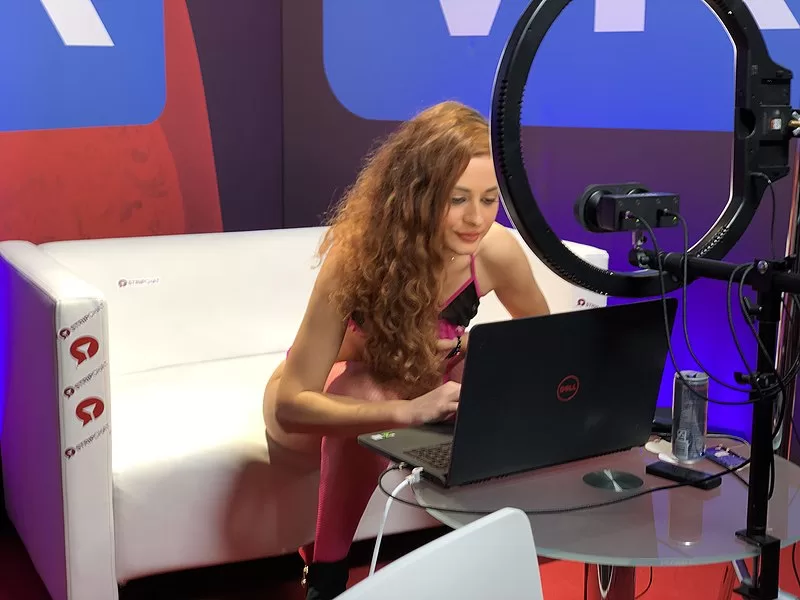
Solving Twitter Dogpiles
I don’t really expect Twitter to take any action on the list that I gave them — at least, not anytime soon. And I like using tools in ways…
#TrollTracker: Twitter’s Troll Farm Archives
Part Two — How the Internet Research Agency regenerated on Twitter after its accounts were suspended

The Future of Sex Work Slams Up Against Big Tech
As influencers peddle more sexually explicit content, Big Tech's biggest platforms—Facebook, Instagram, and Twitter—are increasing restrictions.

Twitter users #BlockTheBlue as ‘verified’ accounts take on new meanin…
archived 31 Dec 2024 10:44:28 UTC

"Did We Create This Monster?" How Twitter Turned Toxic - Fast Company
For years, the company’s zeal for free speech blinded it to safety concerns. Now it’s scrambling to make up for lost time.
