


Ban trolls. Research shows that groups of people who are good at reading signals from others are collectively smarter. Even online.
Trolling democracy: anonymity doesn’t cause conflicts, bad site design does
‘Don’t feed the trolls’, people on social media are told. By forcing people to use their real names online, the managers of online forums hope to shame trolls into silence. But, J…

Play nice! How the internet is trying to design out toxic behaviour
Online abuse can be cruel – but for some tech companies it is an existential threat. Can giants such as Facebook use behavioural psychology and persuasive design to tame the trolls?
Reddit and the Struggle to Detoxify the Internet
From 2018: The trolls are winning. How do we fix life online without limiting free speech?

Reddit and the Struggle to Detoxify the Internet
From 2018: The trolls are winning. How do we fix life online without limiting free speech?
Introducing a network for thoughtful conversations
The quality of conversations on the Internet is terrible. Most platforms like Twitter, Facebook, Instagram, Reddit, etc. optimize for engagement as their key metric. This spawns and rewards behavior that leads to bragging of gameable metrics such as likes and followers, self-feeding thought bubbles, knee-jerk reactions, “if you’re not on our side, you’re on their side” mentality, and thought policing even by people who think they’re fighting for a good cause. Today’s Internet doesn’t incentiviz
‘There’s a Value in What We Produce Because We Feel – and an AI Chatbot Can’t Feel’
Byline Times' Editor in Chief meets Kate Devlin, Professor of AI and Society at King’s College London, to explore how relationships with AI companions aren’t particularly new, why she believes the under-16s social media ban is flawed, and why human creativity can't be matched

Trust: Foundation of Human Knowledge yet online Platforms won't allow | David Karger | TEDxMIT Salon
Influencers, Bullshitters, and How We Lost a Shared Reality
A new book explores the ambiguous dominion of those who feign expertise online for clout.
The Impact of Toxic Influencers on Communities
There’s a common character that can be often spotted in many online communities. It’s the “toxic influencer” (sometimes referred as “intellectual bully”). A toxic influencer is a person…

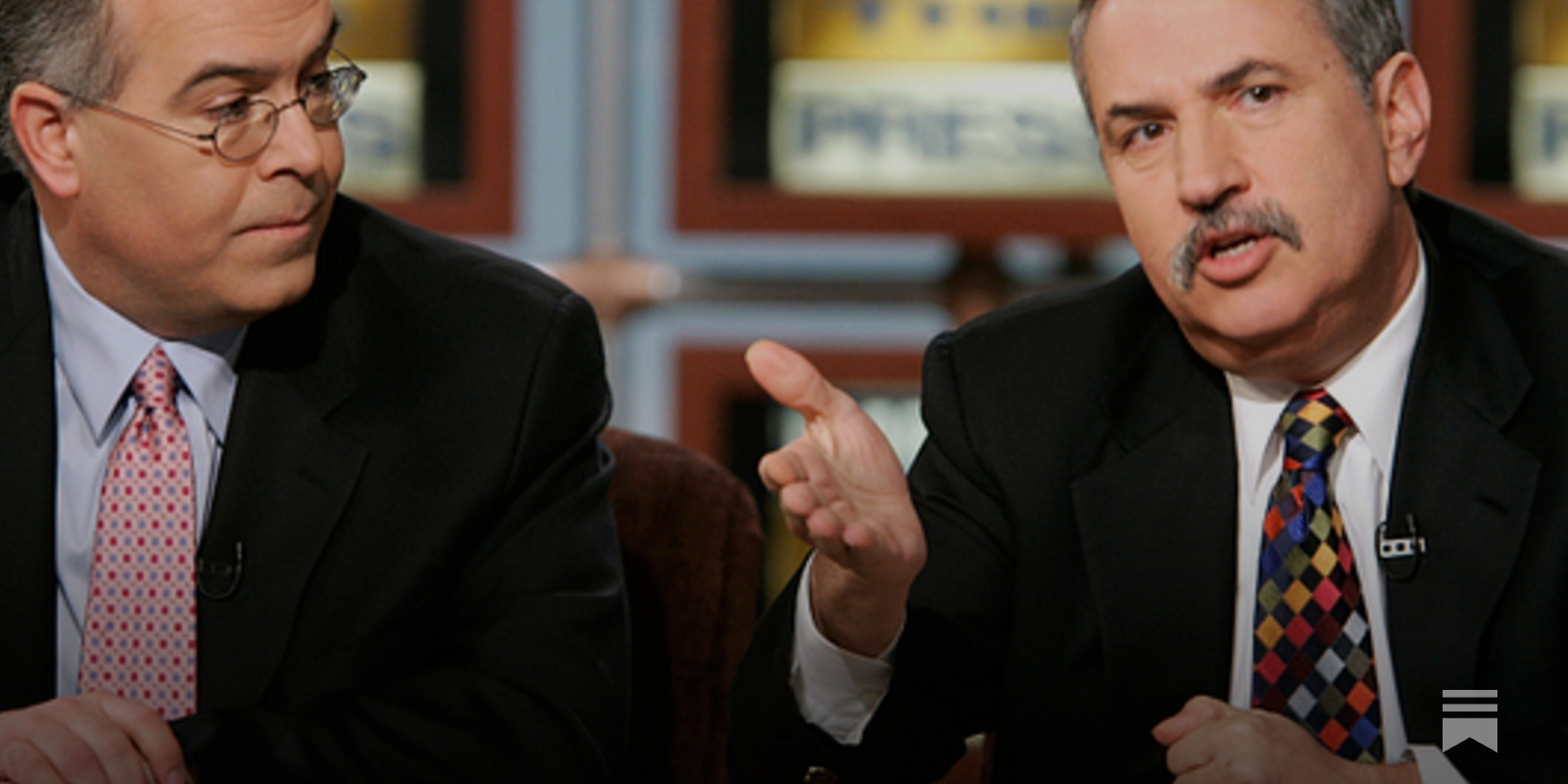
Texting a Random Stranger Better for Loneliness Than Talking to a Chatbot, Study Shows
A newly published study of how college students interact with chatbots and human strangers showed talking to a random person offers more connection than an LLM.
AI is More Persuasive Than People in Online Debates - Slashdot
Chatbots are more persuasive in online debates than people -- especially when they are able to personalize their arguments using information about their opponent. From a report: The finding, published in Nature Human Behaviour on 19 May, highlights how large language models (LLMs) could be used to i...

Why ChatGPT and Bing Chat are so good at making things up
A look inside the hallucinating artificial minds of the famous text prediction bots.

Group Chats Are Making the Internet Fun Again
The triumphant return of aimless digital chatter.
