

We should rethink how we teach people to code | deadSimpleTech
It's fair to say that the tech industry at the moment is not in a good place. Software engineers tend to be detached, demotivated and unwilling to care much about the work they're doing beyond their paycheck. Code quality is poor on the whole, made worse by the current spate of vibe coding and whatever other febrile ideas come out of Sam Altman's brain. Much of the software that we write is either useless or actively hurts people. And the talented, creative people that we most need in the industry are pushed to the margins of it.

Coding After Coders: The End of Computer Programming as We Know It
In the era of A.I. agents, many Silicon Valley programmers are now barely programming. Instead, what they’re doing is deeply, deeply weird.

Coding After Coders: The End of Computer Programming as We Know It
In the era of A.I. agents, many Silicon Valley programmers are now barely programming. Instead, what they’re doing is deeply, deeply weird.
What Is Code? If You Don't Know, You Need to Read This
The world belongs to people who code. Those who don’t understand will be left behind.

What Is Code? If You Don't Know, You Need to Read This
The world belongs to people who code. Those who don’t understand will be left behind.

Coding After Coders: The End of Computer Programming as We Know It - …
archived 16 Mar 2026 15:14:04 UTC

Learning to code is overrated: An accomplished programmer would rather his kids learn to read and reason
Mayor de Blasio is winning widespread praise for his recent promise that, within 10 years, all of New York City’s public schoolchildren will take computer science classes. But as a career programmer who founded two successful software…

The Missing Discipline in Computer Science
On Teaching Computer Scientists to Ask “Why”
We asked 15,000 people who they are, and how they’re learning to code
More than 15,000 people responded to the 2016 New Coder Survey, granting researchers an unprecedented glimpse into how adults are learning to code. We’ve released the entire dataset of participants’ individual responses to all 48 questions — under th...

Stop saying learning to code is easy.
(The photo above was taken at the Microsoft NYC office of three amazing young ...

How Do Scientists Use Claude Code?
Measuring Claude Code adoption among 16,000 scientists on GitHub
Please Learn to Write
There's been lots of buzz on the topic of whether or not you should learn to code. As an engineer, I don't have unbiased thoughts on the matter. I tweeted Jeff

Coding Is Dead, Long Live Programming — Ian Cooper - Staccato Signals
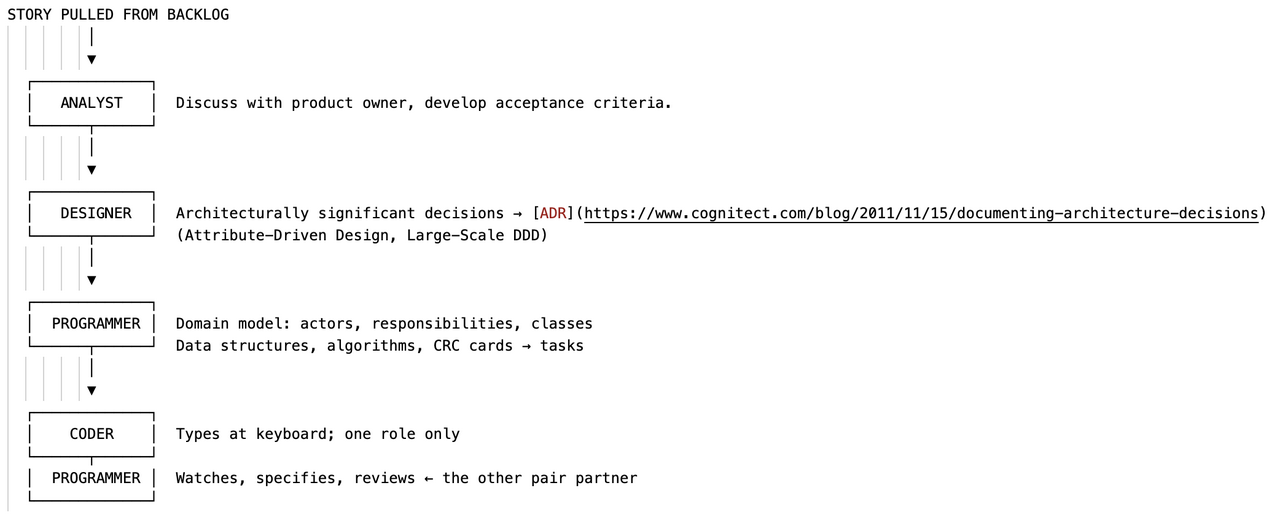
Summary In this post, we argue that the role of a coder now belongs to a coding agent, but that the distinct role of a programmer define...
Chris Granger - Coding is not the new literacy
Despite the good intentions behind the movement to get people to code, both the basic premise and approach are flawed. The movement sits on the idea that “coding is the new literacy,” but that takes a narrow view of what literacy really is.
When Women Stopped Coding
For decades, the share of women majoring in computer science was rising. Then, in the 1980s, something changed.


Opinion: Computer science departments need to teach coders more than just how to code.