China’s most popular messaging app has become the perfect tool for swaying public opinion.
WeChat confirms that it makes all private user data available to the Chinese government- Moneycontrol.com
WeChat, which is developed by Chinese firm Tencent, is a messaging app similar to Whatsapp

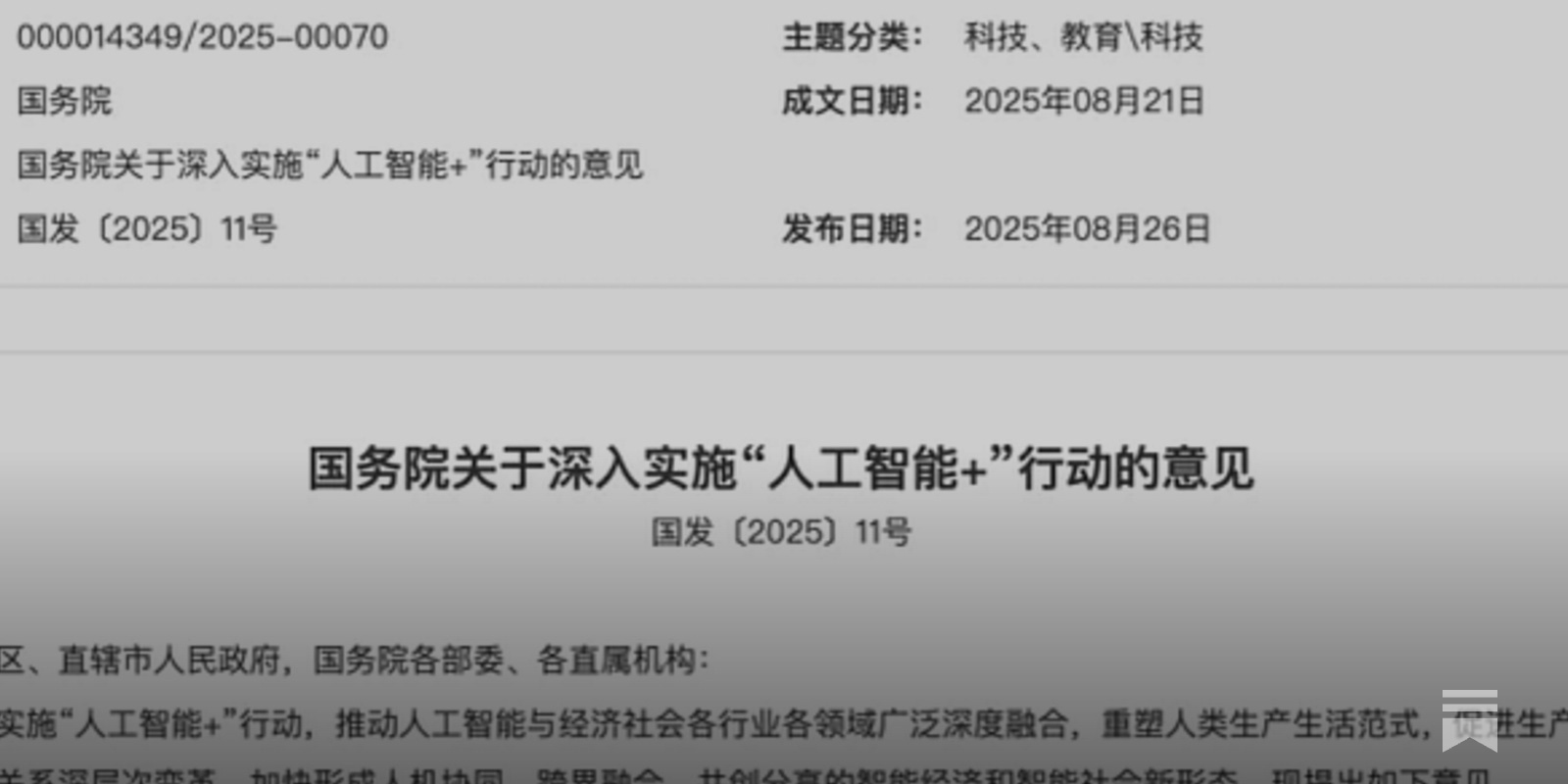
China Releases “AI Plus” Policy: A Brief Analysis
Tonight, everyone’s WeChat Moments was flooded by one document.
Elon Musk Can’t Make an American WeChat
So-called everything apps fail outside of China—and aren’t doing great there.

The Trump Administration Group Chat, Signal: The Coke of Secure Messaging, Transparency Versus Security
The Trump administration’s Signal gaffe raises fascinating questions about secure messaging and the trade-off inherent in transparency.

As Chinese AI Models Gain Popularity in the West, Their Chatbots Fail to Debunk Pro-China False Claims More Than Half the Time
To download this NewsGuard report, please fill out your details below and you will be redirected to it. If you'd like to learn more about working with NewsGuard, email [email protected].

How a fake network pushes pro-China propaganda
The web of 350 fake social media profiles aims to discredit the West, sometimes with garish cartoons.

The spreading of misinformation online
Significance The wide availability of user-provided content in online social media facilitates the aggregation of people around common interests, worldviews, and narratives. However, the World Wide Web is a fruitful environment for the massive diffusion of unverified rumors. In this work, using a massive quantitative analysis of Facebook, we show that information related to distinct narratives––conspiracy theories and scientific news––generates homogeneous and polarized communities (i.e., echo chambers) having similar information consumption patterns. Then, we derive a data-driven percolation model of rumor spreading that demonstrates that homogeneity and polarization are the main determinants for predicting cascades’ size. , The wide availability of user-provided content in online social media facilitates the aggregation of people around common interests, worldviews, and narratives. However, the World Wide Web (WWW) also allows for the rapid dissemination of unsubstantiated rumors and conspiracy theories that often elicit rapid, large, but naive social responses such as the recent case of Jade Helm 15––where a simple military exercise turned out to be perceived as the beginning of a new civil war in the United States. In this work, we address the determinants governing misinformation spreading through a thorough quantitative analysis. In particular, we focus on how Facebook users consume information related to two distinct narratives: scientific and conspiracy news. We find that, although consumers of scientific and conspiracy stories present similar consumption patterns with respect to content, cascade dynamics differ. Selective exposure to content is the primary driver of content diffusion and generates the formation of homogeneous clusters, i.e., “echo chambers.” Indeed, homogeneity appears to be the primary driver for the diffusion of contents and each echo chamber has its own cascade dynamics. Finally, we introduce a data-driven percolation model mimicking rumor spreading and we show that homogeneity and polarization are the main determinants for predicting cascades’ size.

How a Chinese marketing network quietly injects political narratives into Taiwanese lifestyle content
A new investigation by Reporters Without Borders (RSF) reveals how certain Facebook pages posing as lifestyle hubs for hobbies and health tips inject Beijing’s political narratives into their feeds to influence public opinion in Taiwan. These pages are tied to the China-based digital marketing company Wubianjie, which blends entertainment, disinformation and political messaging in cognitive warfare campaigns that are difficult to detect.

Social media ‘trust’/’distrust’ buttons could reduce spread of misinformation | UCL News
The addition of ‘trust’ and ‘distrust’ buttons on social media, alongside standard ‘like’ buttons, could help to reduce the spread of misinformation, finds a new experimental study led by UCL researchers.

Money as Message | Andreessen Horowitz
Network effects — where a product or service becomes more valuable to its users as more people use it — are one of the key ways software businesses maintain a better product and more defensible market position. This is especially true of messaging apps like WeChat — which, as I’ve argued before, is not just...

The group chats that changed America
A loose private network on Signal and WhatsApp helped usher in the new alliance between Silicon Valley and Donald Trump’s new right.
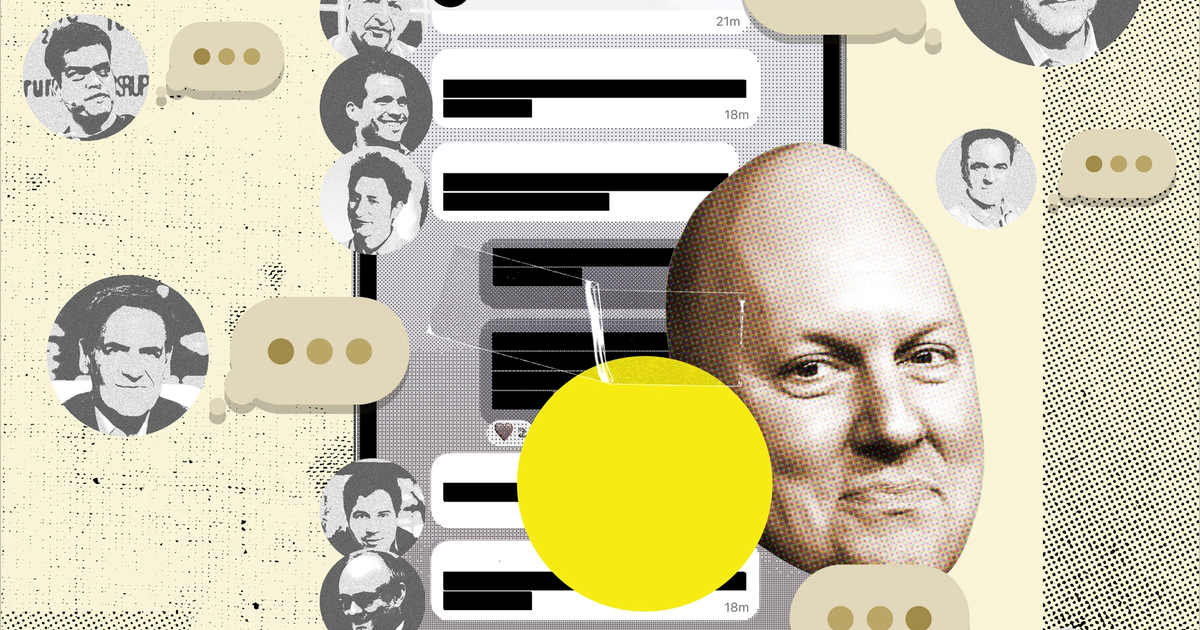
The group chats that changed America
A loose private network on Signal and WhatsApp helped usher in the new alliance between Silicon Valley and Donald Trump’s new right.
The Internet Has Become Too American to Trust | The Walrus
Trump and Big Tech have fused into a new kind of threat

Chinese officials 'create 488m bogus social media posts a year'
Harvard researchers say leaked documents show bureaucrats fabricate positive posts to distract from criticism of government

First post: A history of online public messaging
From BBS to Facebook, here’s how messaging platforms have changed over the years.