Estonia plans to use an artificial intelligence program to decide some small-claims cases, part of a push to make government services smarter.
Promises and pitfalls of artificial intelligence for legal applications
Is AI set to redefine the legal profession? We argue that this claim is not supported by the current evidence. We dive into AI's increasingly prevalent roles in three types of legal tasks: information processing; tasks involving creativity, reasoning, or judgment; and predictions about the future. We find that the ease of evaluating legal applications varies greatly across legal tasks, based on the ease of identifying correct answers and the observability of information relevant to the task at hand. Tasks that would lead to the most significant changes to the legal profession are also the ones most prone to overoptimism about AI capabilities, as they are harder to evaluate. We make recommendations for better evaluation and deployment of AI in legal contexts.
Judge Learns Lawyers on Both Sides of Case Used AI, Cancels Trial, Kicks Everyone Off the Case
When two AIs argue against each other, the legal system loses.
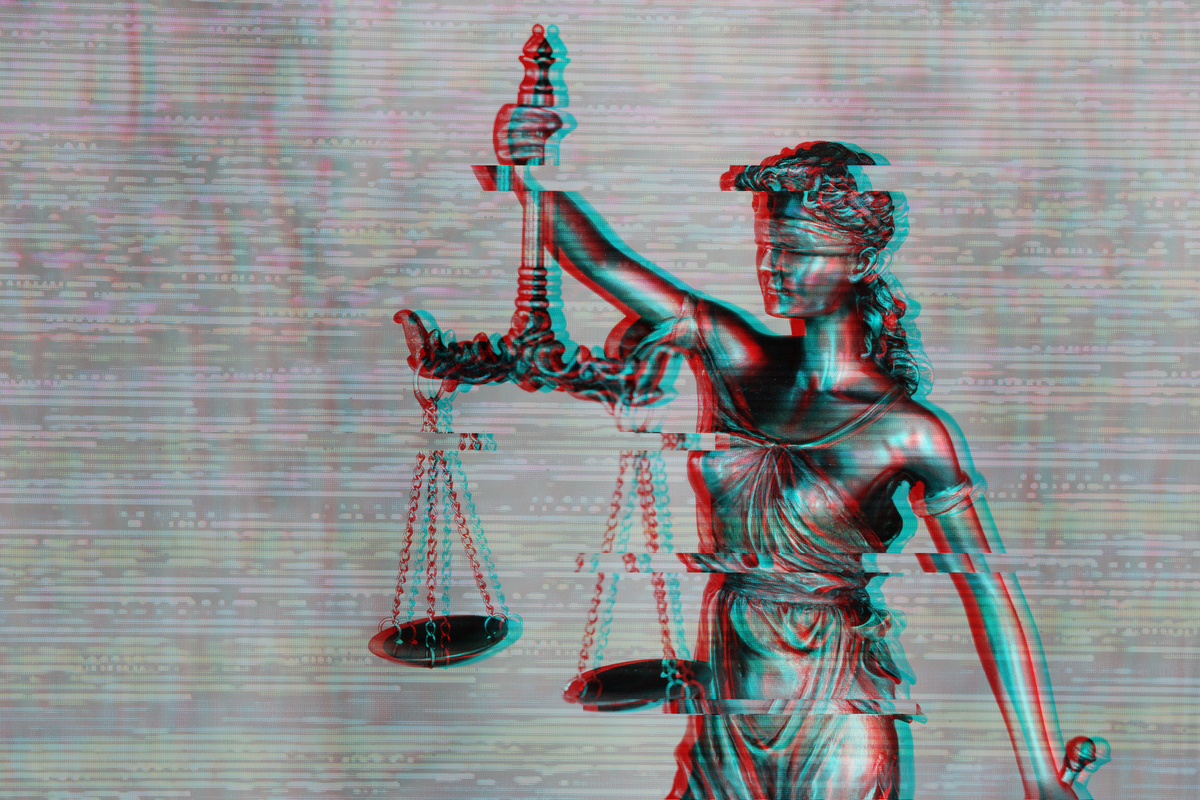
Automated Justice: Issues, Benefits and Risks in the Use of Artificial Intelligence and Its Algorithms in Access to Justice and Law Enforcement
The use of artificial intelligenceArtificial Intelligence (AI) (AI) in the field of law has generated many hopes. Some have seen it as a way of relieving courts’ congestion, facilitating investigations, and making sentences for certain offences more consistent—and therefore fairer. But while it is true that the work of investigators and judges can be facilitated by these tools, particularly in terms of finding evidenceEvidence during the investigative process, or preparing legal summaries, the panorama of current uses is far from rosy, as it often clashes with the reality of field usage and raises serious questions regarding human rightsHuman rights. This chapter will use the RobodebtRobodebt Case to explore some of the problems with introducing automationAutomation into legal systems with little human oversight. AI—especially if it is poorly designed—has biases in its data and learning pathways which need to be corrected. The infrastructures that carry these tools may fail, introducing novel bias. All these elements are poorly understood by the legal world and can lead to misuse. In this context, there is a need to identify both the users of AIArtificial Intelligence (AI) in the area of law and the uses made of it, as well as a need for transparencyTransparency, the rules and contours of which have yet to be established.
Mixed Decision in Anthropic AI Case: Authors Guild Responds to Summary Judgment in Bartz v. Anthropic
On June 23, the U.S. District Court for the Northern District of California issued a summary judgment order in Bartz v. Anthropic—one of the first major lawsuits brought by authors against an AI company for using unlicensed books to train […]

Considering How AI Destroys Democratic Institutions
Boston University School of Law professors Woodrow Hartzog and Jessica Silbey say today's AI systems are a "death sentence" for civic institutions.
We All Hate AI, but if You’re Poor, It Can Really Ruin Your Life
Debt collection. Parole decisions. Oversight of public services. It’s all being outsourced to AI, with terrible consequences for poor people.

Evidence for Justice Lab - Justice and AI Tracker
Evidence for Justice Lab - Justice and AI Tracker
Evidence for Justice Lab - Justice and AI Tracker
Massachusetts’ AI program is more than meets the eye
The Shoestring found that the state has been testing at least 40 government use cases for AI, though it remains tight-lipped about most of them.


Nobody needs AI to search the Internet, court says in ruling against Google
Google AI Overview court loss in Germany could spell doom for AI search industry.

Estonia eschews phone bans in schools and takes leap into AI
Country at top of education charts aims to equip students and teachers with ‘world-class artificial intelligence skills’

Artificial Intelligence Act
The Artificial Intelligence Act is a European Union regulation concerning artificial intelligence (AI). It establishes a common regulatory and legal framework for AI within the European Union (EU). The regulation entered into force on 1 August 2024, with provisions that shall come into operation gradually over the following 6 to 36 months.