


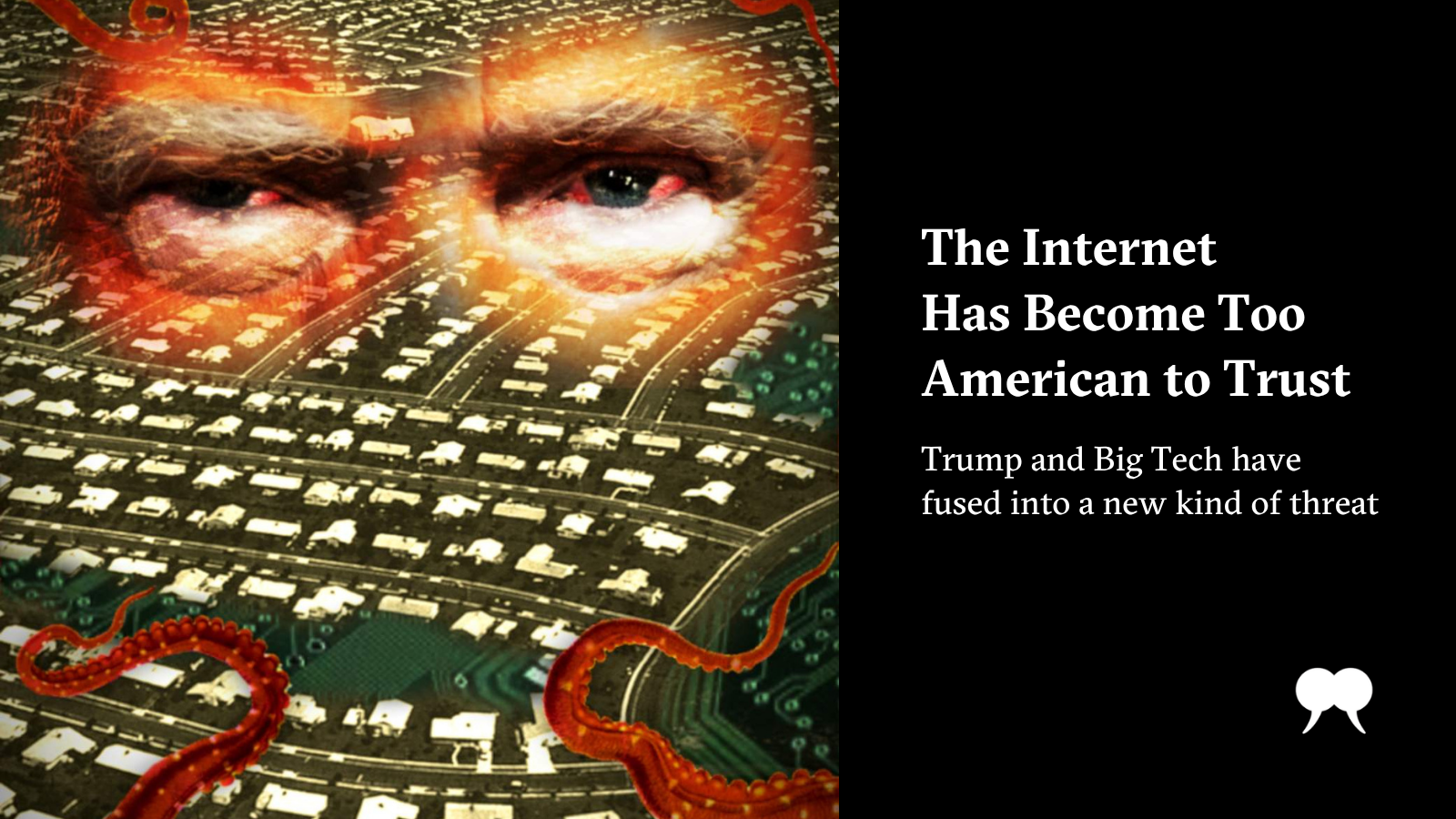
First Google and Facebook, then the world. Under Trump 2.0, US statecraft is starting to mimic the worst tendencies of Big Tech.
The Internet Has Become Too American to Trust | The Walrus
Trump and Big Tech have fused into a new kind of threat
Big Tech tried to get young people addicted. Now we’re fighting back
Two seismic court decisions in the US have intervened where legislators have failed to defend social media users from exploitation, writes campaigner Zamaan Qureshi

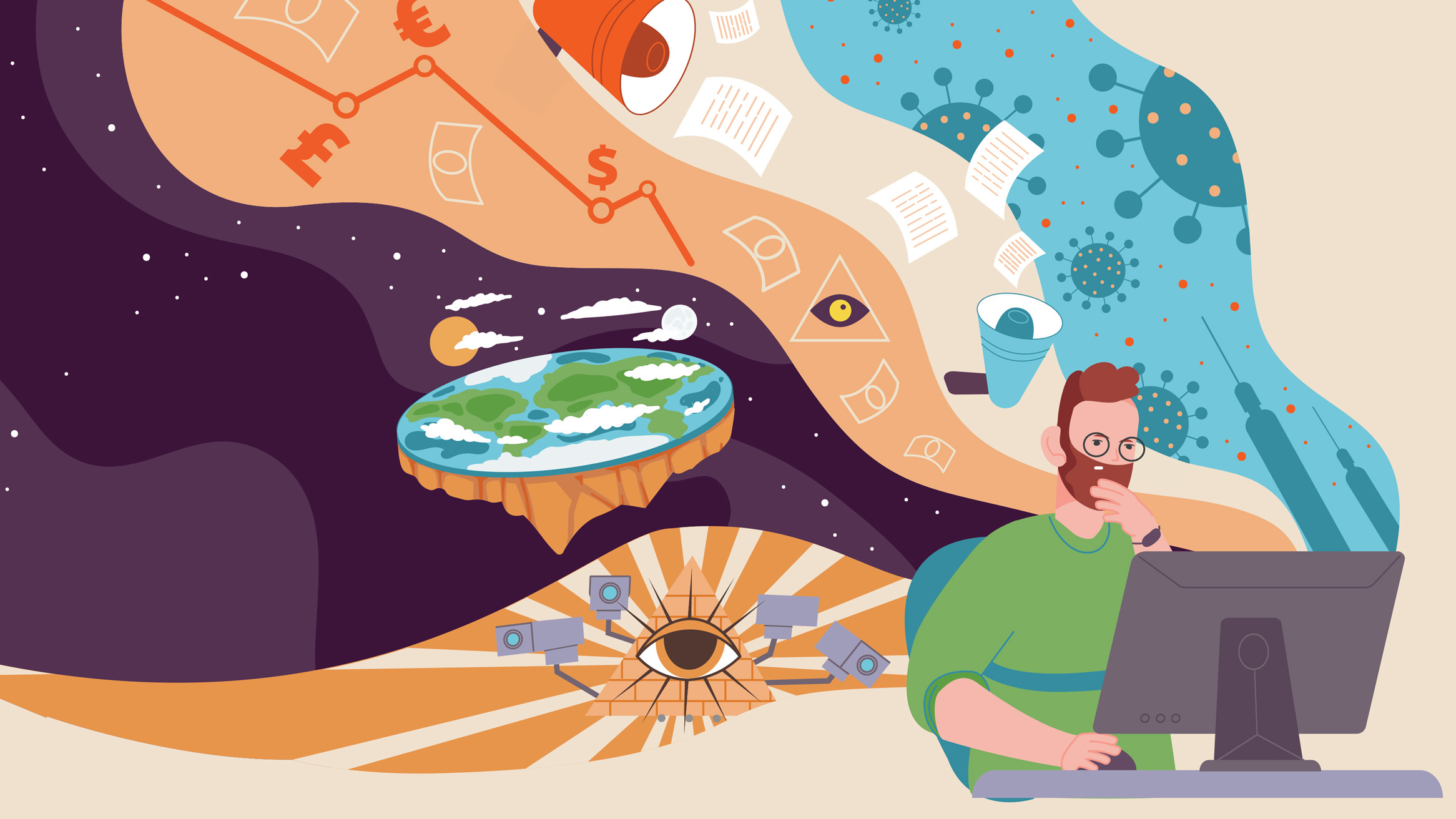
Bias, Skew, and Search Engines Are Sufficient to Explain Online Toxicity
U.S. political discourse seems to have fissioned into discrete bubbles, each reflecting its own distorted image of the world. Many blame machine-learning algorithms that purportedly maximize “engagement”—serving up content that keeps YouTube or Facebook users watching videos or scrolling through their feeds—for radicalizing users or strengthening their partisanship. Sociologist Shoshana Zuboff15 even argues that “surveillance capitalism” uses optimized algorithmic feedback for “automated behavioral modification” at scale, writing the “music” that users then “dance” to.
Bias, Skew, and Search Engines Are Sufficient to Explain Online Toxicity
U.S. political discourse seems to have fissioned into discrete bubbles, each reflecting its own distorted image of the world. Many blame machine-learning algorithms that purportedly maximize “engagement”—serving up content that keeps YouTube or Facebook users watching videos or scrolling through their feeds—for radicalizing users or strengthening their partisanship. Sociologist Shoshana Zuboff15 even argues that “surveillance capitalism” uses optimized algorithmic feedback for “automated behavioral modification” at scale, writing the “music” that users then “dance” to.
Pluralistic: Post-American compute for a post-American Internet (04 Aug 2026) – Pluralistic: Daily links from Cory Doctorow
Obviously, the non-American world has a digital sovereignty problem – Trump has means, motive and opportunity to order his tech companies to shut down any public official, large corporation, or individual who displeases him:
Take it from the insiders: Silicon Valley is eating your soul | John Harris
Former Google and Facebook executives are sounding the alarm about the pervasive power of tech, writes Guardian columnist John Harris
Institute of Network Cultures | Ben Grosser: Planning the Exodus from Platform Realism
Thinking about the current state of platforms, I’m reminded of Mark Fisher’s articulation of capitalist realism, the idea that we don’t imagine or build alternatives to capitalism because we can no longer envision a world without it. Big tech, in a few short years, has managed to instill within the public a similar state of platform realism. So many are unable to imagine how global communication, media, search, etc. could ever function without the platforms. Despite a growing malaise, it’s become difficult for many to consider a world without big tech platforms as a viable conception of the future.

SimPolitics
For more than six decades, the public has been promised that computers will revolutionize politics, both nationally and internationally. In SimPolitics, Fenw...

What technology takes from us – and how to take it back | Rebecca Solnit
The long read: Decisions outsourced, chatbots for friends, the natural world an afterthought: Silicon Valley is giving us life void of connection. There is a way out – but it’s going to take collective effort
The rise of AI ‘civilizations’ and the fall of corporate responsibility
The internet fights over anthropomorphism around the Hugging Face hack.

Absolute scale corrupts absolutely
The Internet has gotten too big. Growing up, I, like many computery people of my generation, was an idealist. I believed that better, faste...
How Elon Musk and the Tech Billionaires Hijacked the State and Our Minds
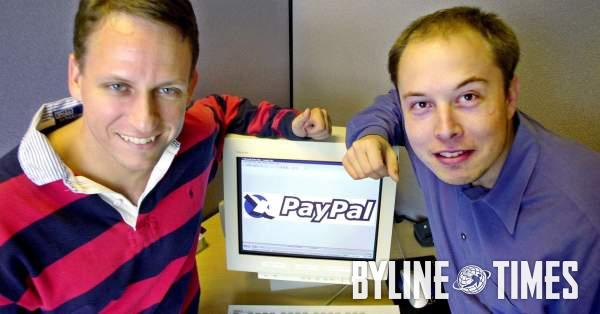
Historian Quinn Slobodian tells Byline Times that Elon Musk's rise tells a deeper story—of fortunes built on state power, and a new politics where humans are treated less as citizens than as systems to be optimised
Do social media threaten democracy?
Facebook, Google and Twitter were supposed to save politics as good information drove out prejudice and falsehood. Something has gone very wrong

Dan Shipper 📧 on Twitter / X
The smallest technical decisions become humanity's biggest pivots:The same-origin policy—a well-intentioned browser security rule from the 1990s—accidentally created Facebook, Google, and every data monopoly since. It locks your data in silos—and you stayed where your stuff… pic.twitter.com/G87qsuPHxN— Dan Shipper 📧 (@danshipper) July 9, 2025

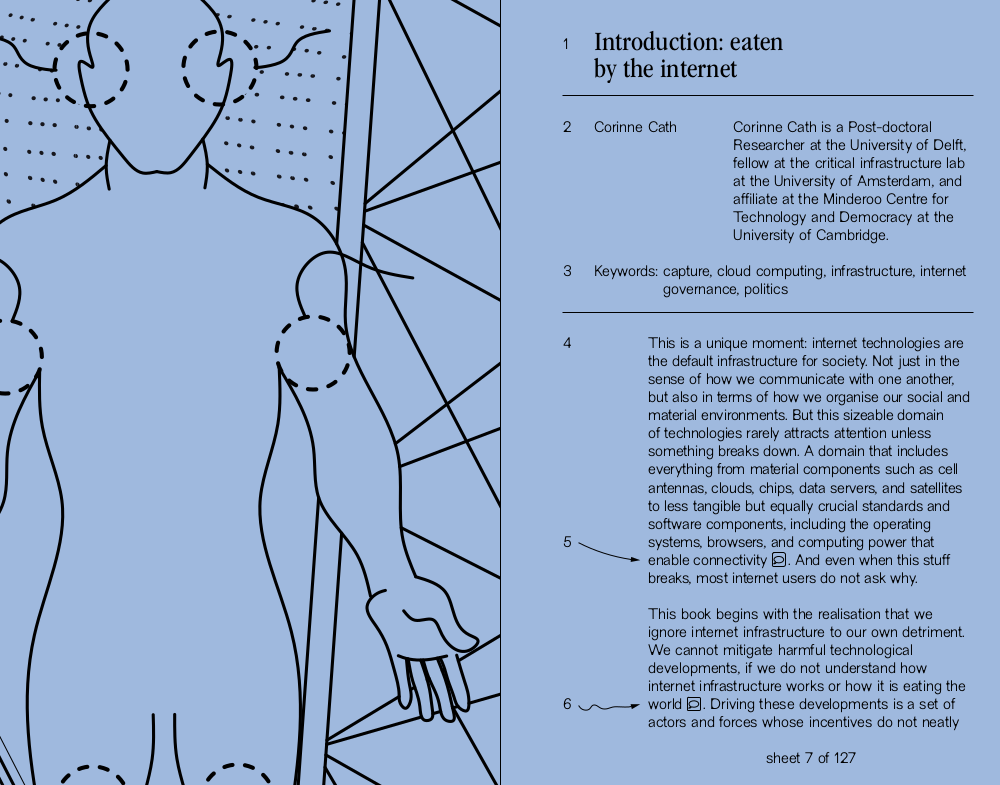
Eaten by the Internet
This book makes internet infrastructure visible as a force of political power, which is transforming the social world, from the bottom up—through fifteen chapters contributed by a global set of researchers, activists, and techies. We are living a unique moment: internet technologies are the default infrastructure for society, not just how we communicate but also how we organise our social life, politics, and economy, all the way down to our material environments, like cities. Our world is eaten by the internet. This means that those who control the internet control the bounds of public speech, economic production, social cohesion, and politics, making its infrastructure a core political terrain in the networked age. The book’s chapters cover a wide set of topics, spanning from the global politics of content moderation by internet infrastructure to the colonialism inherent in the race to plug the moon, from the harms wrought by blockchain companies in rural America to the particularities of online censorship across Asia. The chapters take on thorny topics, discussing power consolidation in the advertisement and cloud industry, the role of internet infrastructure in the war in Ukraine, and tech’s environmental impact—amongst others. In doing so, this book roots contemporary technology debates in the politics of internet infrastructure and urges us to ask how can we ensure our infrastructures sustain us, rather than consume us?
> The Mozilla Foundation isn't holding back its disdain for Big Tech leaders. > Wannabe kings don't rule the internet. We do. AT Protocol and the broader open social web is one of the ways we take back power from Big Tech. (If you see me out in these New York City streets, let me know.)

Business Insider
Mozilla's new ad campaign skewers tech billionaires like Mark Zuckerberg and Elon Musk bit.ly/4xBAuDZ
