


Internal Home Office tests of age-verification technology show the risks of life-altering errors. It’s moving forward anyway.
Asylum by Algorithm
The UK has turned to AI to determine the age of asylum seekers, and other countries are likely to follow suit. Our investigation finds the technology is deeply unreliable.
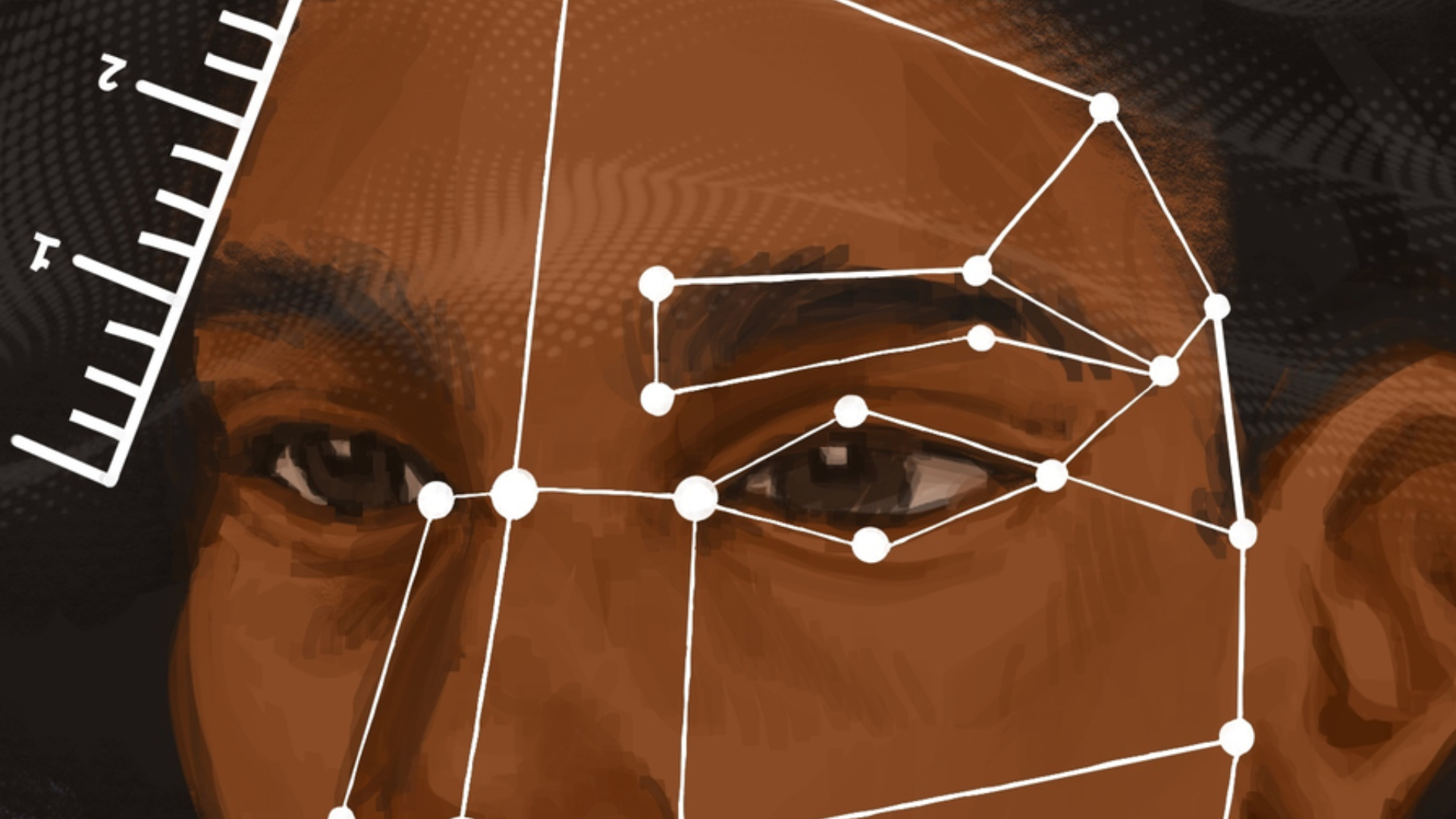
More than 60 groups tell Home Office to stop using racist and faulty AI facial age estimation tech on asylum-seeking children
This tech could see vulnerable children seeking asylum in the UK facing a serious threat to their safety at the hands of the UK government.

Home Office knew AI age checks for migrants were flawed – but rolled it out anyway
Exclusive: Government advisers describe the tool as ‘hideously flawed’ amid concern facial age estimation has ‘baked-in racial bias’ – and can wrongly identify a 14-year-old as an adult

Canada’s Age-Verification Bill Repeats the UK’s Mistakes: Here’s How to Do Better
Canada is exploring age-verification requirements under Bill S-209, but adopting such systems without strong safeguards could repeat mistakes seen overseas. The UK’s failed experiment offers a warning; Canada still has time to choose a better path.
‘Age Verification’ could force trans people to out themselves to use the internet
Automated online ID checking systems add new potential dangers to having a mismatching ID.

How We Analyzed AI Used to Guess Asylum Seekers’ Ages
Using a leaked report and NIST data to audit facial age estimation AI for efficacy and bias.
Age verification: Child protection or privacy risk?
With more platforms and governments asking for age verification, we look at the options and the implications.

438 Experts Said Age Verification Is Dangerous. Legislators Are Moving Forward With It Anyway. - Above the Law
From the seems-like-someone-should-pay-attention? dept

The Age-Verification Trap
Platforms are caught in a dilemma: enforce age restrictions or protect user privacy. How are they navigating this tricky terrain?

The EU’s age verification app has a privacy problem — and it may be more than just a 'bug in an app'
It's an improvement compared to existing solutions, but security experts still aren't convinced

Age verification is coming for the internet — and it’s already raising red flags
Legislative efforts to age-gate parts of the internet are gaining traction. Some experts warn of compliance complications and data security breaches.

10 (Not So) Hidden Dangers of Age Verification
It’s nearly the end of 2025, and half of the US and the UK now require you to upload your ID or scan your face to watch “sexual content.” A handful of states and Australia now have various
Hackers Expose The Massive Surveillance Stack Hiding Inside Your “Age Verification” Check
We’ve been saying this for years now, and we’re going to keep saying it until the message finally sinks in: mandatory age verification creates massive, centralized honeypots of sensitiv…

Age Verification Is Locking Trans People Out of the Internet
Experts tell Dia Kayyali and Jasmine Mithani that age verification, sold as a fix for kids’ online safety, expands surveillance and deepens discrimination.

Age Assurance Methods Explained
This blog also appears in our Age Verification Resource Hub: our one-stop shop for users seeking to understand what age-gating laws actually do, what’s at stake, how to protect yourself, and why EFF
Online Age Verification: Government Legislation, Supplier Responsibilization, and Public Perceptions
There are widespread concerns about the online harms to children operating online. As such, governments have enacted laws to require online service providers to deploy age verification to prevent such harms. We investigate the following three research questions regarding this topic: (1) To what extent have different governments legislated age verification controls? (2) Do governments embrace a responsibilization strategy when it comes to online age verification? and (3) How does the UK public feel about online age verification legislation? We find that governments are applying a responsibilization strategy, which has led to widespread deployment of privacy-invasive or ineffective age verification. The former violates the privacy of underage users, with the latter undermining the overarching aims of the legislation. We have also found general disengagement and a lack of trust in the government amongst the public with regards to new online age verification laws within the UK. To conclude, despite governments globally looking to put more robust online age verification mechanisms in place, there remains a general lack of privacy preservation and affordable technological solutions. Moreover, the overarching aims of the online safety and age verification legislative changes may not be satisfied due to the general public stakeholder group's disengagement and lack of trust in their government.
