


In a moment of crisis, South Korea's capital is becoming a leader in big data.
Tepito: A Neighborhood Governs Itself
A dispatch from Mexico City's legendary barrio reveals how true innovation—from sound-system message networks to black-market tech adaptation—happens far beyond Silicon Valley. Filmmaker and technologist Violeta Ayala explores how self-governance, resistance, and raw intensity shape the future of technology and human connection.

Rethinking the Smart City: Democratizing Urban Technology - RLS-NYC
Following the celebration of the “creative city” (as described by Richard Florida), the “smart city” has become the new flavor of the month—and a brand. It makes clever use of resources, and it attracts money, corporate power, and private industries. Offering us cheap, effective solutions to social and political problems, the smart city is functional, […]

Institute of Network Cultures | Ben Grosser: Planning the Exodus from Platform Realism
Thinking about the current state of platforms, I’m reminded of Mark Fisher’s articulation of capitalist realism, the idea that we don’t imagine or build alternatives to capitalism because we can no longer envision a world without it. Big tech, in a few short years, has managed to instill within the public a similar state of platform realism. So many are unable to imagine how global communication, media, search, etc. could ever function without the platforms. Despite a growing malaise, it’s become difficult for many to consider a world without big tech platforms as a viable conception of the future.

Big Tech
Big Tech is a name given to the largest technology companies in the United States, which dominate consumer computing technology around the world. The individual companies change, but the interests and practices of these companies largely remain the same, and are at odds with many of the principles of permacomputing.
Digital Socialism?
What opportunities does the new feedback infrastructure of data capitalism offer for non-market forms of social coordination? Hayek and the Calculation Debate revisited in the age of big data.
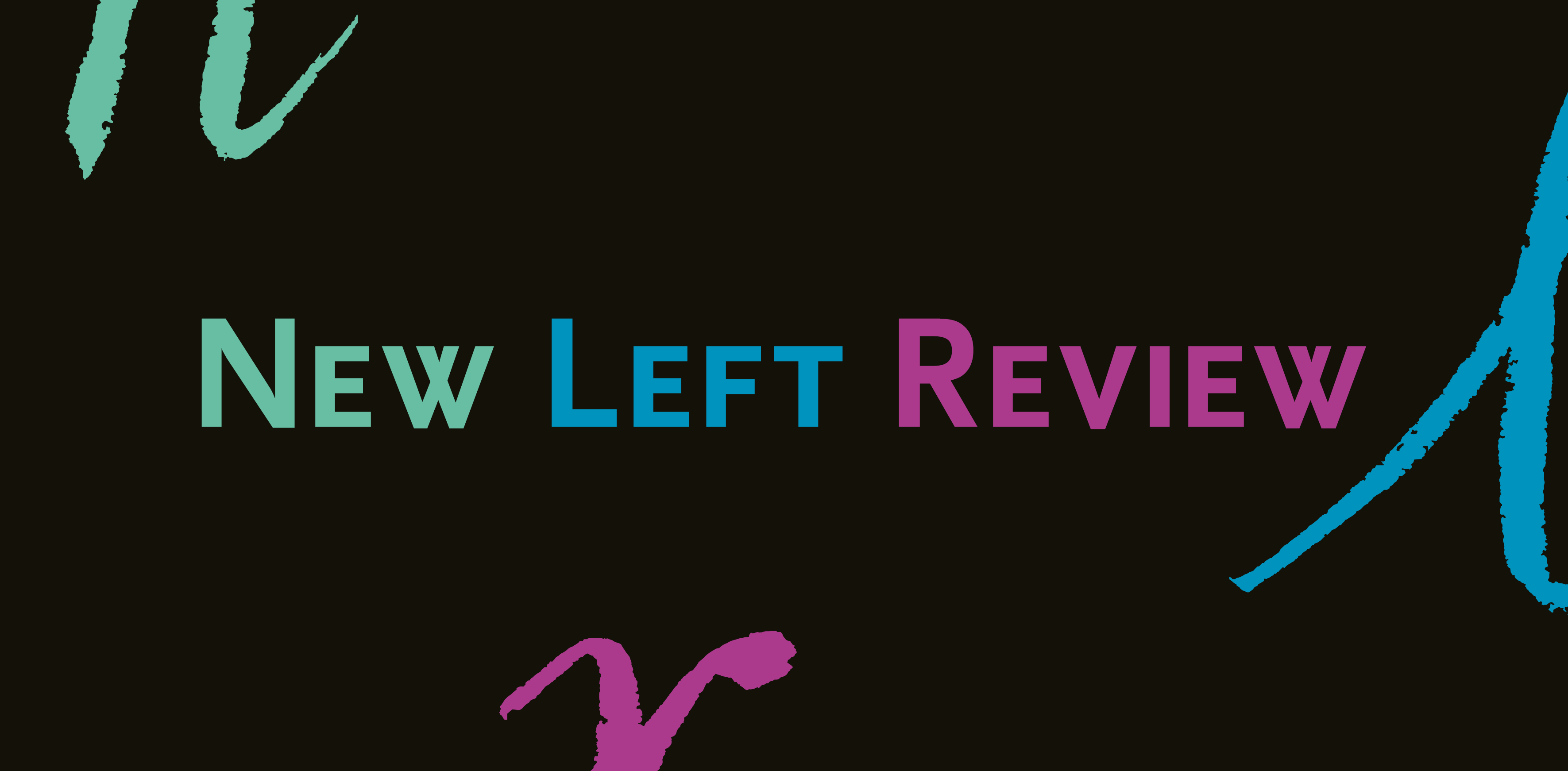
Big Tech’s attention economy can be reformed. Here’s how.
The business model is doing irreparable harm to society. But there is an alternative, and we don’t need to destroy the tech giants to get there.
Dami Lee on Instagram: "What holds up a society? This art piece in Korea stopped me cold, and I haven’t stopped thinking about it since. 180,000 tiny figures. Arms raised. A glass floor you’re meant to walk on. The artist is Do Ho Suh, and the question he’s asking feels more urgent than ever right now: is it the collective that holds everything up, or the individual? Because both stories have produced extraordinary things. Korea’s GDP per capita in the 1960s was lower than Sudan’s. Sixty years later, it’s the twelfth largest economy in the world. Built on coordination, sacrifice, twelve-hour days, families who gave everything for the next generation. And then there’s the Western story. The entrepreneur. The innovator. The one who puts a car in space but somehow can’t build affordable housing or a high-speed rail. As the world order gets reshaped in real time, I keep coming back to this floor. Who’s actually holding it up? And does the person walking on it ever think to look down? Tell me what you think in the comments. #DoHoSuh #KoreaArt #ContemporaryArt #PublicArt #SeoulArt"
14K likes, 59 comments - damileearch on June 11, 2026: "What holds up a society? This art piece in Korea stopped me cold, and I haven’t stopped thinking about it since. 180,000 tiny figures. Arms raised. A glass floor you’re meant to walk on. The artist is Do Ho Suh, and the question he’s asking feels more urgent than ever right now: is it the collective that holds everything up, or the individual? Because both stories have produced extraordinary things. Korea’s GDP per capita in the 1960s was lower than Sudan’s. Sixty years later, it’s the twelfth largest economy in the world. Built on coordination, sacrifice, twelve-hour days, families who gave everything for the next generation. And then there’s the Western story. The entrepreneur. The innovator. The one who puts a car in space but somehow can’t build affordable housing or a high-speed rail. As the world order gets reshaped in real time, I keep coming back to this floor. Who’s actually holding it up? And does the person walking on it ever think to look down? Tell me what you think in the comments. #DoHoSuh #KoreaArt #ContemporaryArt #PublicArt #SeoulArt".

Governing by dismantling: tech oligarchy and the stifling of public data infrastructure
Published in Science as Culture (Ahead of Print, 2026)

Building tech in the world’s secret R&D hub
Zurich has created a technology ecosystem nearing the density of Silicon Valley.

Inside Shenzhen’s race to outdo Silicon Valley
Shenzhen flooded the world with cheap gadgets. Can it now become what Silicon Valley never did—a global hub of innovation, entrepreneurship, and manufacturing?

Inside the Dirty, Dystopian World of AI Data Centers
The race to power AI is already remaking the physical world.
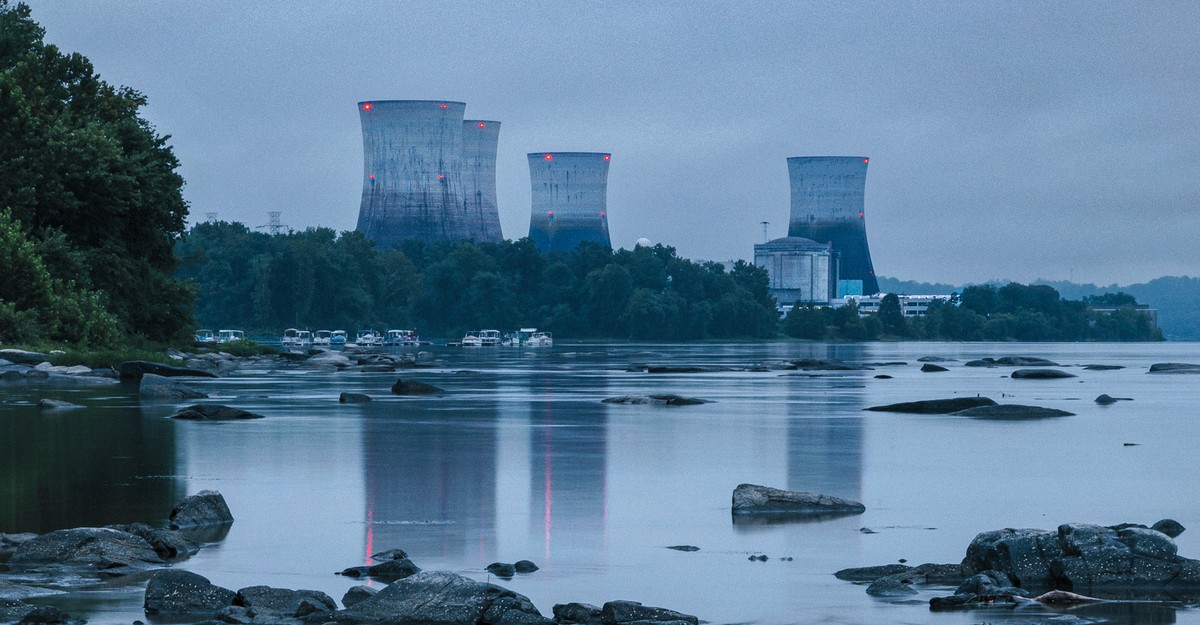
What technology takes from us – and how to take it back | Rebecca Solnit
The long read: Decisions outsourced, chatbots for friends, the natural world an afterthought: Silicon Valley is giving us life void of connection. There is a way out – but it’s going to take collective effort

The Beginning of the End of Big Tech
From politicians to VC firms, everyone is falling out of love with the massive, money-oriented, global technology titans. In their place, we have the chance to build something open and trustworthy.

From Chile to the Philippines, meet the people pushing back on AI
Individuals and communities are resisting the demands and practices of Big Tech's AI infrastructure — such as data centers and digital labor — due to their environmental and social costs.

Breaking Big Tech Companies Monopoly Power - SOMO
Big Tech companies control markets and rules for people, businesses, and public services. Big Tech's monopoly power needs to be broken up.
IIIa. Racing to the Trillion-Dollar Cluster - SITUATIONAL AWARENESS
The most extraordinary techno-capital acceleration has been set in motion. As AI revenue grows rapidly, many trillions of dollars will go into GPU, datacenter, and power buildout before the end of the decade. The industrial mobilization, including growing US electricity production by 10s of percent, will be intense. You see, I told you it couldn’t be
