

As AI-driven fraud becomes increasingly common, more people feel the need to verify every interaction they have online.
‘HELLO BOSS’: Inside the Chinese Realtime Deepfake Software Powering Scams Around the World
404 Media has obtained a copy of ‘Haotian AI’, a popular piece of realtime deepfake software marketed to scammers. It can turn a fraudster's face into anyone else's on WhatsApp, Zoom, and Teams.
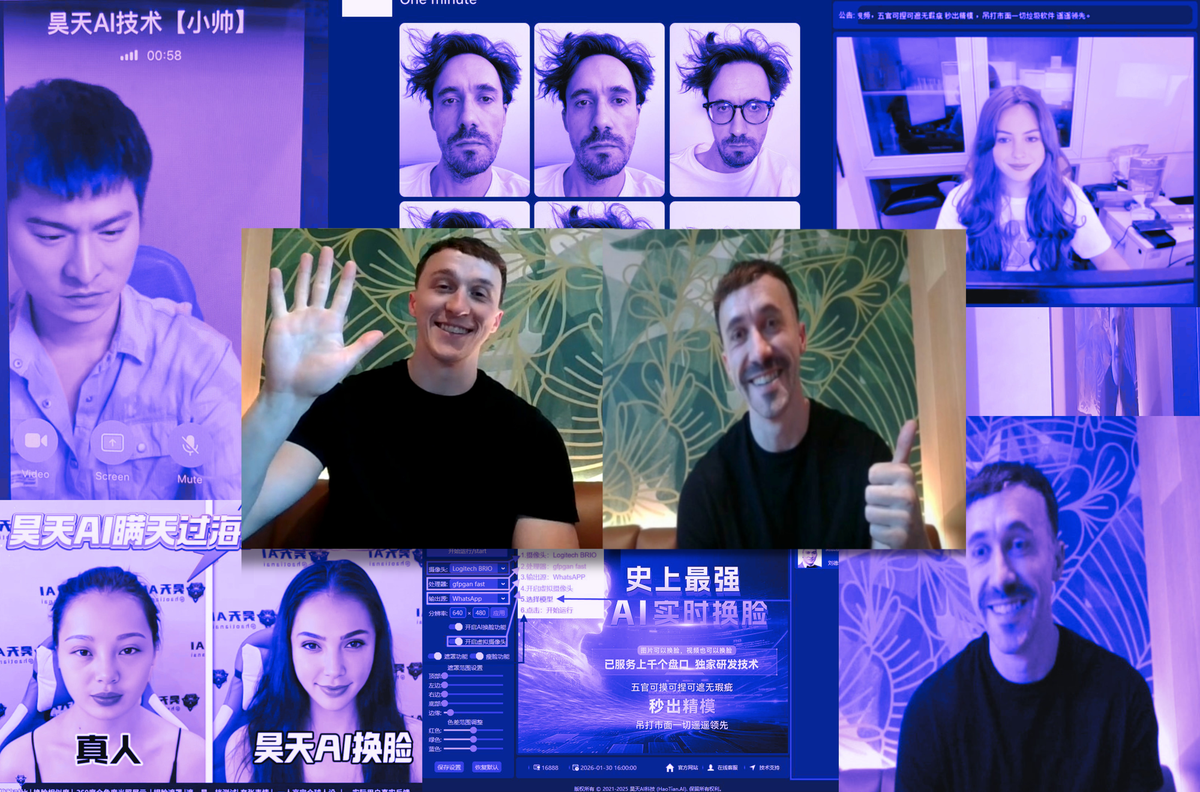
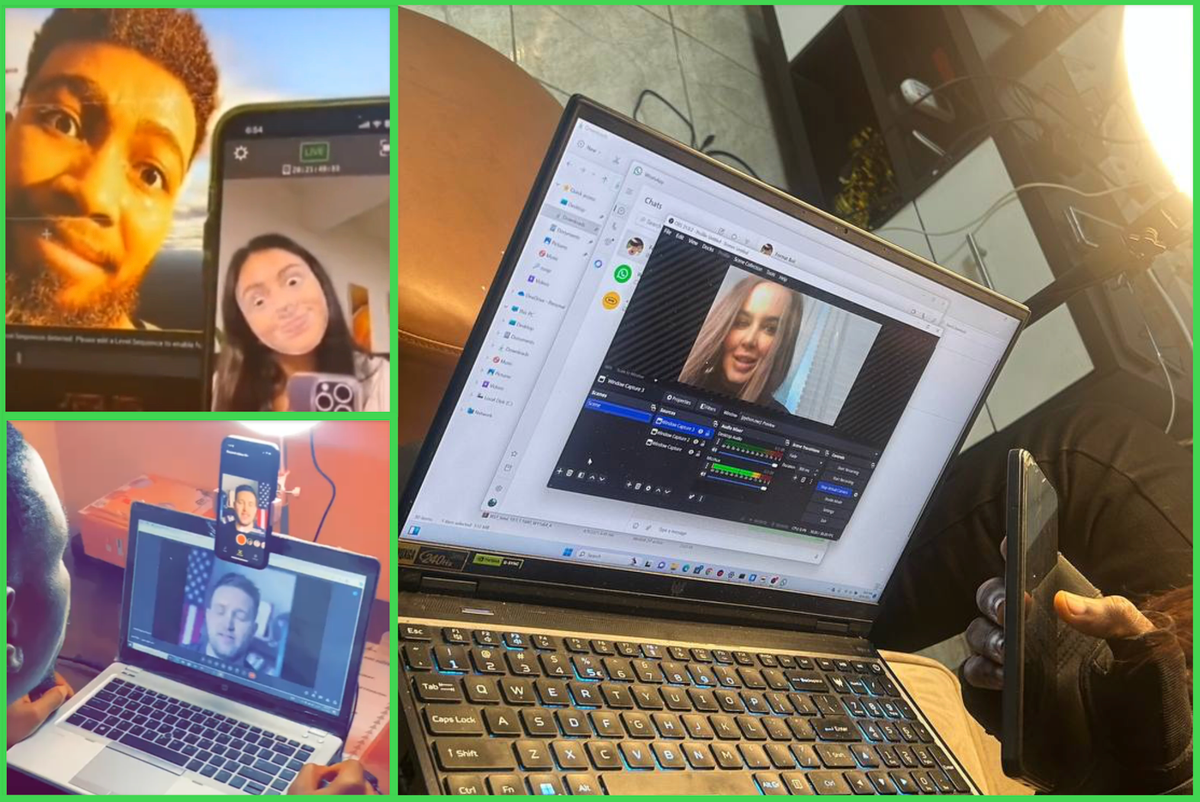
The Age of Realtime Deepfake Fraud Is Here
Fraudsters are able to change their race, facial hair, voice, and more during live video calls with very little effort. Scammers are already fooling the elderly and verification systems.
Deep Fakes: A Looming Challenge for Privacy
<p>Harmful lies are nothing new. But the ability to distort reality has taken an exponential leap forward with “deep fake” technology. This capability makes it possible to create audio and video of real people saying and doing things they never said or did. Machine learning techniques are escalating the technology’s sophistication, making deep fakes ever more realistic and increasingly resistant to detection. Deep-fake technology has characteristics that enable rapid and widespread diffusion, putting it into the hands of both sophisticated and unsophisticated actors.</p><p>While deep-fake technology will bring certain benefits, it also will introduce many harms. The marketplace of ideas already suffers from truth decay as our networked information environment interacts in toxic ways with our cognitive biases. Deep fakes will exacerbate this problem significantly. Individuals and businesses will face novel forms of exploitation, intimidation, and personal sabotage. The risks to our democracy and to national security are profound as well.</p><p>Our aim is to provide the first in-depth assessment of the causes and consequences of this disruptive technological change, and to explore the existing and potential tools for responding to it. We survey a broad array of responses, including: the role of technological solutions; criminal penalties, civil liability, and regulatory action; military and covert-action responses; economic sanctions; and market developments. We cover the waterfront from immunities to immutable authentication trails, offering recommendations to improve law and policy and anticipating the pitfalls embedded in various solutions.</p>
Deep Fakes: A Looming Challenge for Privacy
<p>Harmful lies are nothing new. But the ability to distort reality has taken an exponential leap forward with “deep fake” technology. This capability makes it possible to create audio and video of real people saying and doing things they never said or did. Machine learning techniques are escalating the technology’s sophistication, making deep fakes ever more realistic and increasingly resistant to detection. Deep-fake technology has characteristics that enable rapid and widespread diffusion, putting it into the hands of both sophisticated and unsophisticated actors.</p><p>While deep-fake technology will bring certain benefits, it also will introduce many harms. The marketplace of ideas already suffers from truth decay as our networked information environment interacts in toxic ways with our cognitive biases. Deep fakes will exacerbate this problem significantly. Individuals and businesses will face novel forms of exploitation, intimidation, and personal sabotage. The risks to our democracy and to national security are profound as well.</p><p>Our aim is to provide the first in-depth assessment of the causes and consequences of this disruptive technological change, and to explore the existing and potential tools for responding to it. We survey a broad array of responses, including: the role of technological solutions; criminal penalties, civil liability, and regulatory action; military and covert-action responses; economic sanctions; and market developments. We cover the waterfront from immunities to immutable authentication trails, offering recommendations to improve law and policy and anticipating the pitfalls embedded in various solutions.</p>
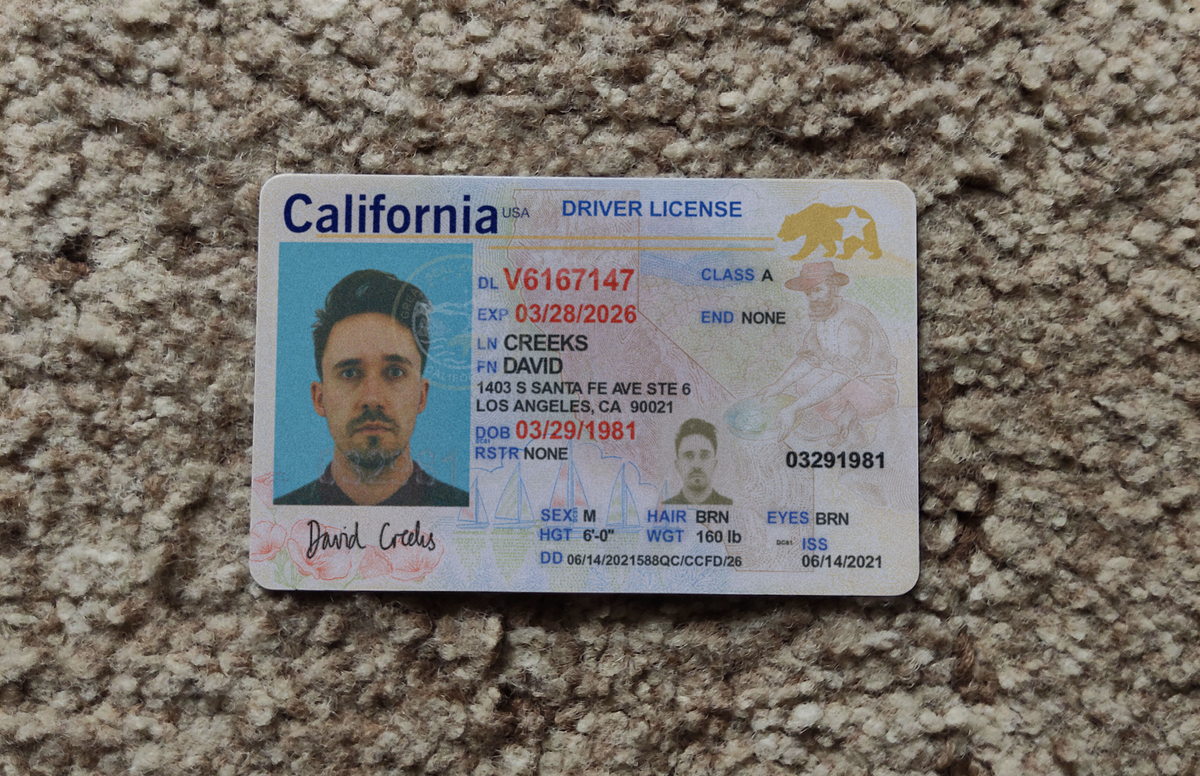
Inside the Underground Site Where ‘Neural Networks’ Churn Out Fake IDs
The site, called OnlyFake, threatens to streamline everything from bank fraud to money laundering, and has implications for cybersecurity writ large.
Haotian AI : Providing Deepfake AI For Scam Bosses - Frank on Fraud
An advertisement for Haotian AI, a company that provides face-changing software on Telegram, shows they mean business. “We have an R&D team of hundreds of programmers and dozens of servers to serve you.” The braggy advertisement, which just might be directed at Pig Butchering bosses running scam compounds in Southeast Asia, reveals the extent of […]

Woman Speaks Out After Being Scammed by Ad With Deepfake of Her Doctor: 'Desperate and in Pain'
A TODAY investigation found that medical scams using AI deepfake videos to sell ineffective products are on the rise. Here's how to protect yourself from scammers online.

Fooling AI Agents: Web-Based Indirect Prompt Injection Observed in the Wild
Uncover real-world indirect prompt injection attacks and learn how adversaries weaponize hidden web content to exploit LLMs for high-impact fraud.

SCAM — How safe is your AI agent?
An open-source benchmark by 1Password that tests whether AI agents can handle real security threats during everyday tasks.
Google research shows the fast rise of AI-generated misinformation | CBC News
From fake images of war to celebrity hoaxes, AI technology has spawned new forms of reality-warping misinformation online. New analysis co-authored by Google researchers shows just how quickly the problem has grown.

Deepfakes, Elections, and Shrinking the Liar’s Dividend
Heightened public awareness of the power of generative AI could give politicians an incentive to lie about the authenticity of real content.
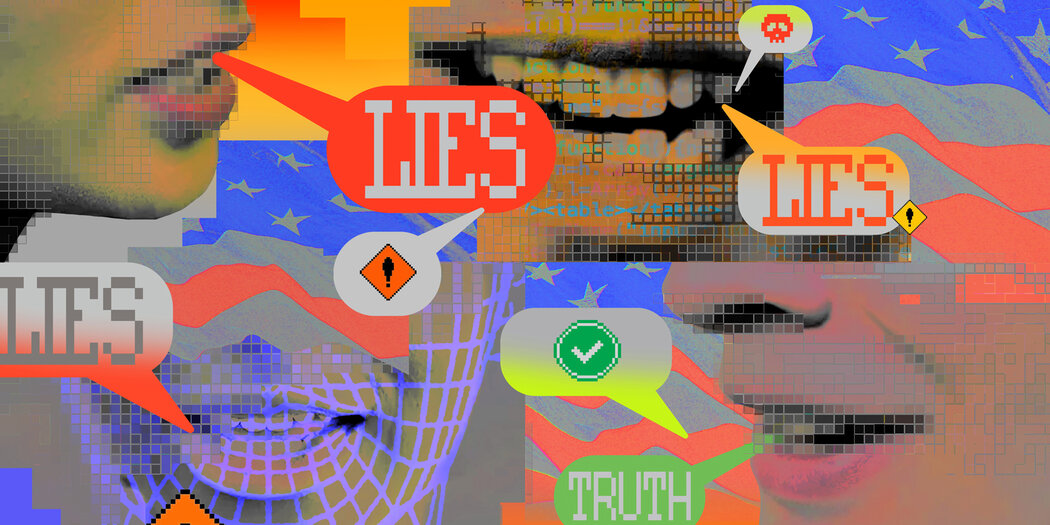
Tracking AI-enabled Misinformation: 3,749 AI Content Farm sites (and Counting), Plus the Top False Claims Generated by Artificial Intelligence Tools
Coverage by McKenzie Sadeghi, Dimitris Dimitriadis, Virginia Padovese, Giulia Pozzi, Sara Badilini, Chiara Vercellone, Natalie Huet, Zack Fishman, Leonie Pfaller, and Natalie Adams | Last Updated June 23, 2026

Deep Fakes: A Looming Challenge for Privacy, Democracy, and National Security — California Law Review
Harmful lies are nothing new. But the ability to distort reality has taken an exponential leap forward with “deep fake” technology. This capability makes it possible to create audio and video of real people saying and doing things they never said or did. Machine learning techniques are escalating th

Manipulating AI memory for profit: The rise of AI Recommendation Poisoning | Microsoft Security Blog
That helpful “Summarize with AI” button? It might be secretly manipulating what your AI recommends. Microsoft security researchers have discovered a growing trend of AI memory poisoning attacks used for promotional purposes, a technique we call AI Recommendation Poisoning.

Analysis | Google’s AI pointed him to a customer service number. It was a scam.
There’s a new AI twist on a travel scam that has fooled people for years. Here’s what you need to know.
