Customs and Border Protection agents searched nearly 15,000 devices from April through June of this year, a nearly 17 percent spike over the previous three-month high in 2022. "The real issue is the chilling effect it has on all travelers."
CBP Searched a Record Number of Phones at the US Border Over the Past Year
The total number of US Customs and Border Protection device searches jumped by 17 percent over the 2024 fiscal year, but more invasive forensic searches remain relatively rare.

Crossing the U.S. Border? Here’s How to Protect Yourself
Searches of phones and other electronics are on the rise for those entering the U.S. Take these steps to help secure your devices.
Can Border Agents Search Your Electronic Devices? It’s Complicated. | ACLU
We’ve been getting a lot of questions about when border agents can legally conduct searches of travelers’ electronic devices at international airports and other ports of entry. Unfortunately, the answer isn’t simple.
How to Protect Yourself From Phone Searches at the US Border
Customs and Border Protection has broad authority to search travelers’ devices when they cross into the United States. Here’s what you can do to protect your digital life while at the US border.

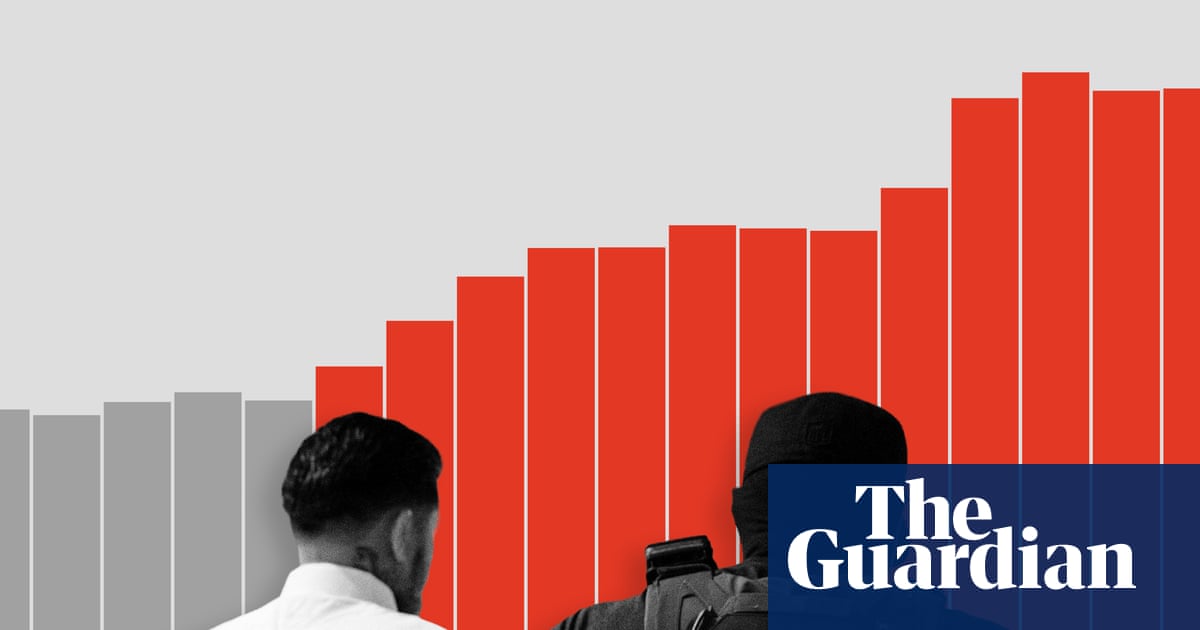
By the numbers: the latest ICE and CBP data on arrests, detentions and deportations in the US
The Guardian has reviewed figures from Immigration and Customs Enforcement and Customs and Border Protection since Trump’s inauguration
Preparing devices for travel through a US border
US border searches of electronic devices put journalists’ work at risk. But there’s a lot you can do to be prepared
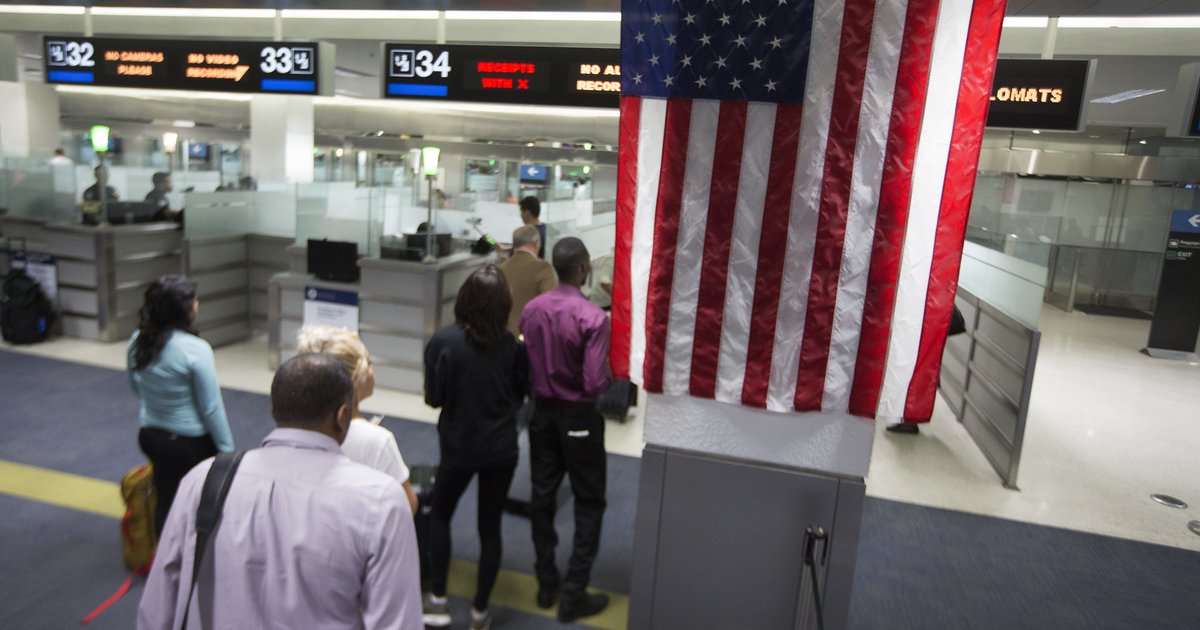
How to protect your phone and data privacy at the US border
With reports of people being turned away at airports over messages found on devices, here’s what to do to minimize risks
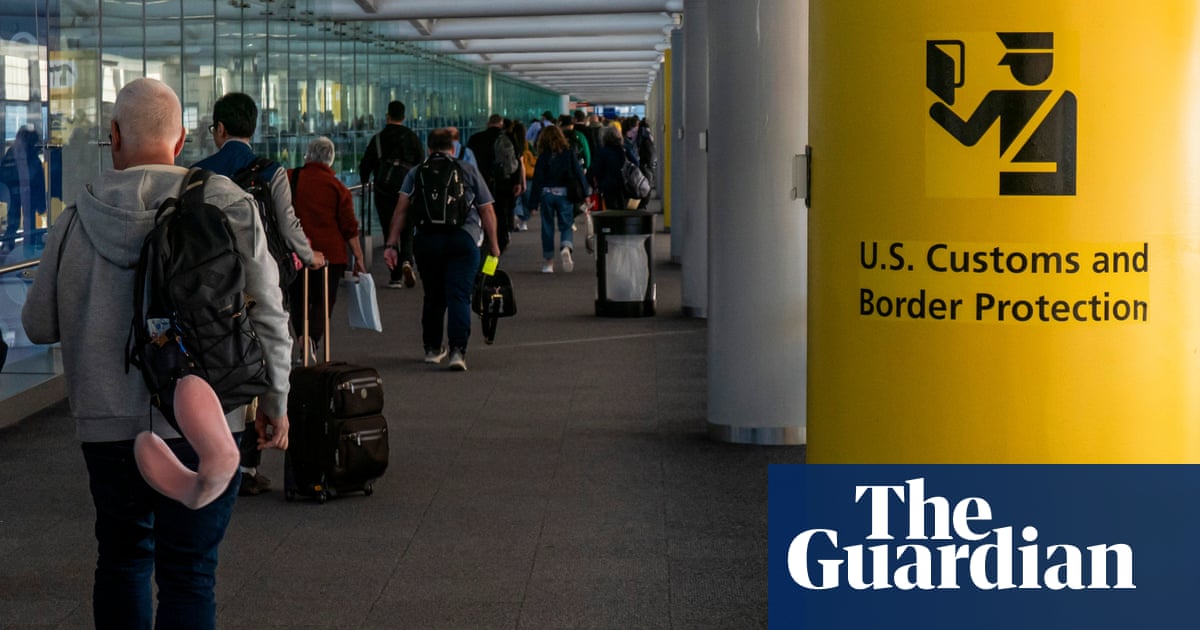
What Australians flying to the US need to know about phone and device searches at the border
Can immigration deny you entry if you refuse to hand over your phone? What can officials look at or download, and how can you protect your devices?

Attacks on ICE up 1,000%? Trump administration claim not backed up by court records
The Trump administration has cited a more than 1,000% increase in assaults on immigration agents to justify aggressive tactics. But court records reviewed by The Times show the majority of the alleged assaults in the areas where ICE and Border Patrol have been most active resulted in no injuries.
Revealed: how Russia uses mobile ‘super-app’ Max to spy on its citizens
Research shows tens of millions of people are being forced to use platform that amounts to ‘backdoor’ on their device

Returning from vacation? The government can search your phone without a warrant.
Reminder: The "border exemption" to your rights is real.
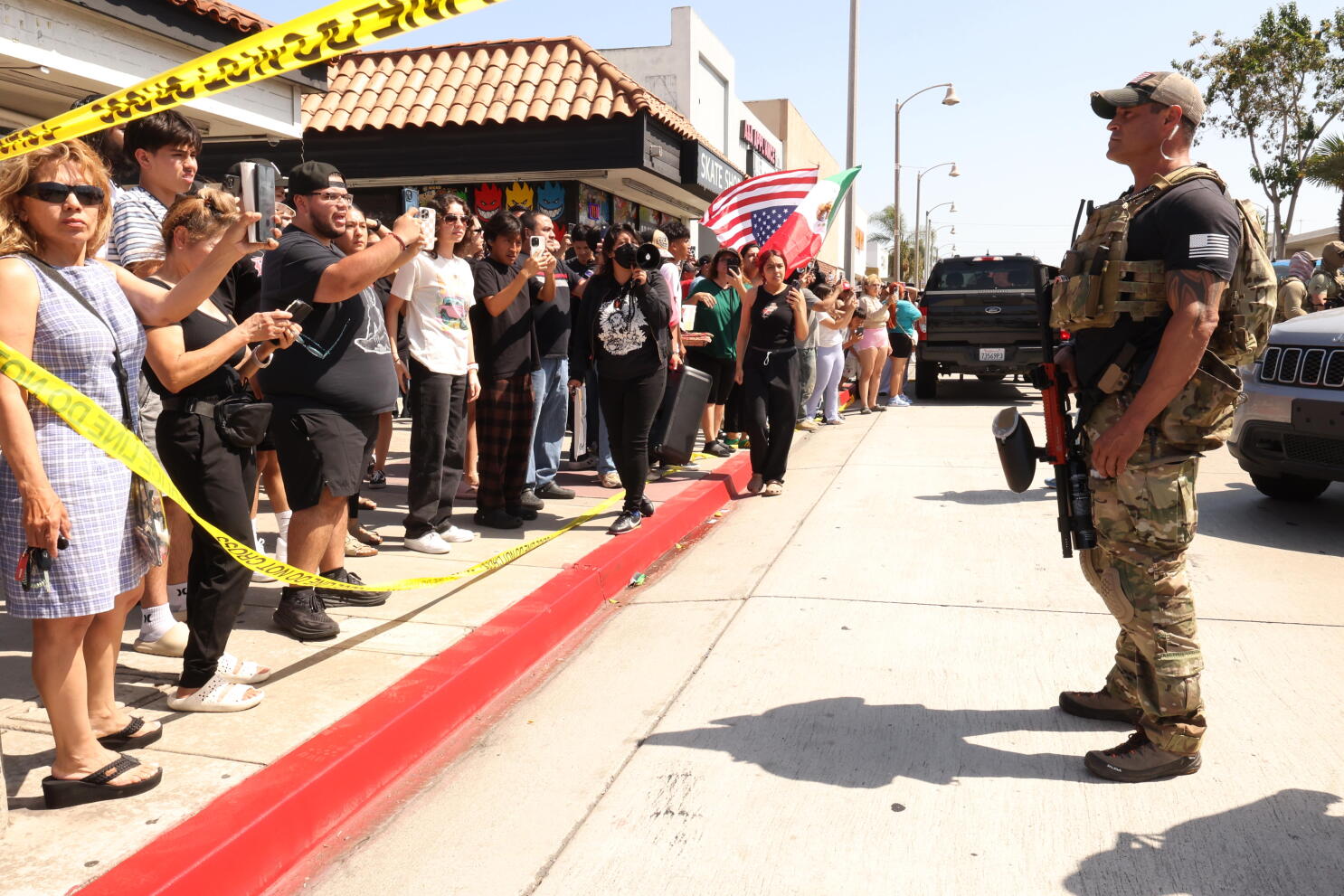
Mass Arrests by Trump's ICE, CBP Repeatedly Fail Under Scrutiny — ProPublica
ProPublica and FRONTLINE found more than 300 protesters and bystanders who were arrested on charges like assaulting an immigration agent or interfering with law enforcement. Over and over, the accusations fell apart under scrutiny.

Just 2% of Immigration Court Filings Based on Alleged Criminal Activity in February 2026
Numbers are also lower now than they were a year earlier when President Trump returned to office. One year ago in February 2025, DHS filed NTAs on 821 individuals based on claims of criminal activity compared with 741 today. This represented 4 percent of the cases filed a year ago, rather than just 2 percent now.
DuckDuckGo sees iPhone installs spike in the US following AI announcements at Google I/O
Following Google I/O, DuckDuckGo says it has seen a notable and sustained surge in U.S. users, including a sharp jump in iPhone app installs.

One Year of Immigration Enforcement Under the Second Trump Administration – Deportation Data Project
The story of immigration enforcement in the first year-plus of the second Trump administration is a story of a drastic increase in interior immigration enforcement: enforcement that occurs within the United States, usually far from the border. Interior deportations surged to five times their pre-inauguration level (see Figure 1).1
More Than 500 U.S. Citizens Have Been Detained, Including Handcuffed or Held at Gunpoint, in Trump’s Immigration Crackdown — ProPublica
The government doesn’t track how often immigration officers detain U.S. citizens. So ProPublica did. We’ve found more than 500 Americans who were held against their will during this Trump administration.