


Software developer Eugenia Kuyda is releasing the code to her Replika chatbot, which can inject emotion into conversations.
Experts Caution Against Using AI Chatbots for Emotional Support
TC faculty break down the risks of using artificial intelligence for emotional support, and what a healthier AI future might look like
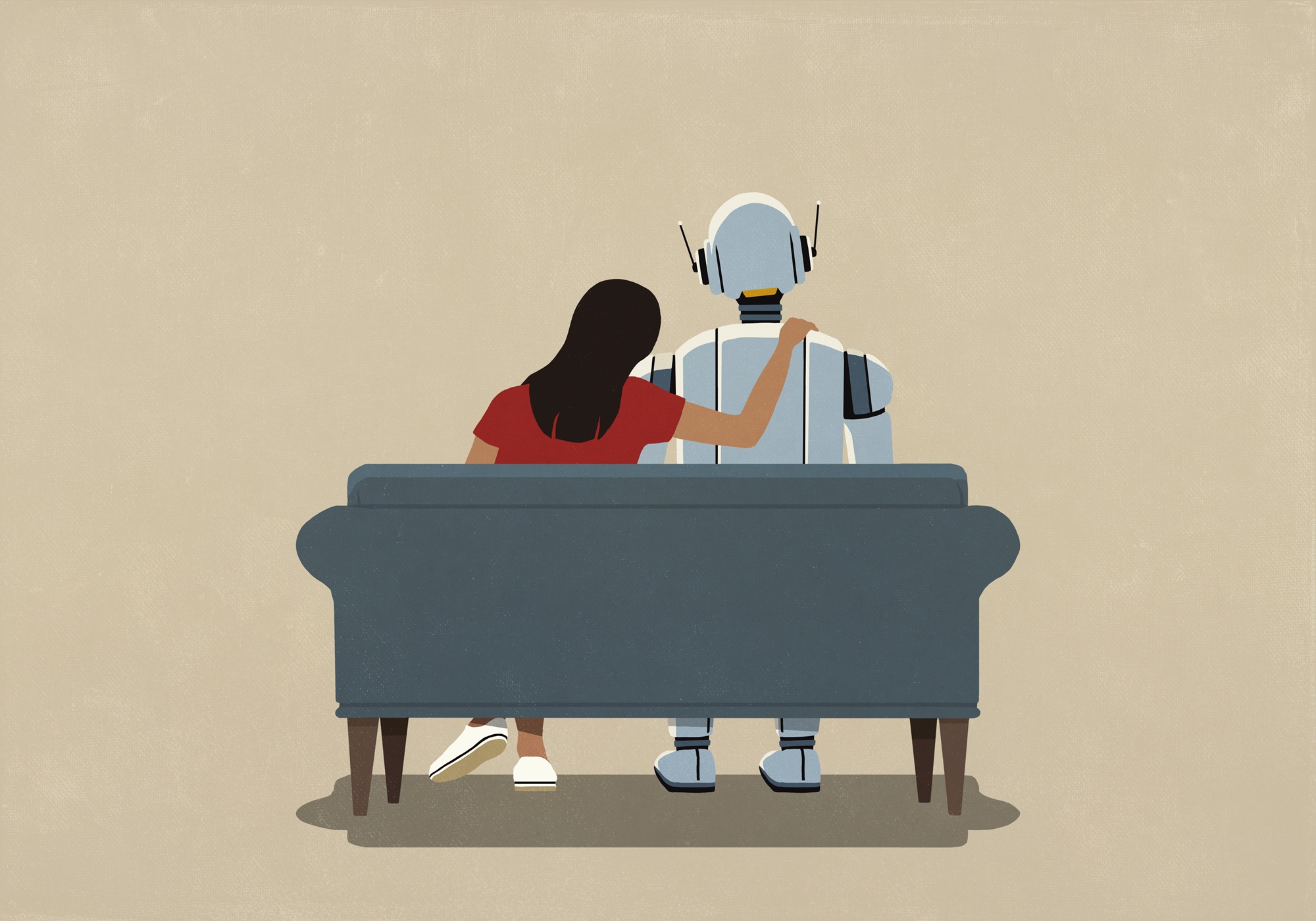
Opinion | The Sad and Dangerous Reality Behind ‘Her’
At least a quarter of the more than 100 billion messages sent to our chatbots are attempts to initiate romantic or sexual exchanges.

How AI Chatbots Are 'Deskilling' Human Empathy
Sherry Turkle's latest book, Artificial Intimacy: Who We Become When We Talk to Machines, comes out on September 29.
What My Personal Chat Bot Is Teaching Me About AI’s Future
Replika, an app that creates an artificially intelligent doppelgänger, offers a glimpse into the future of human-bot interaction.

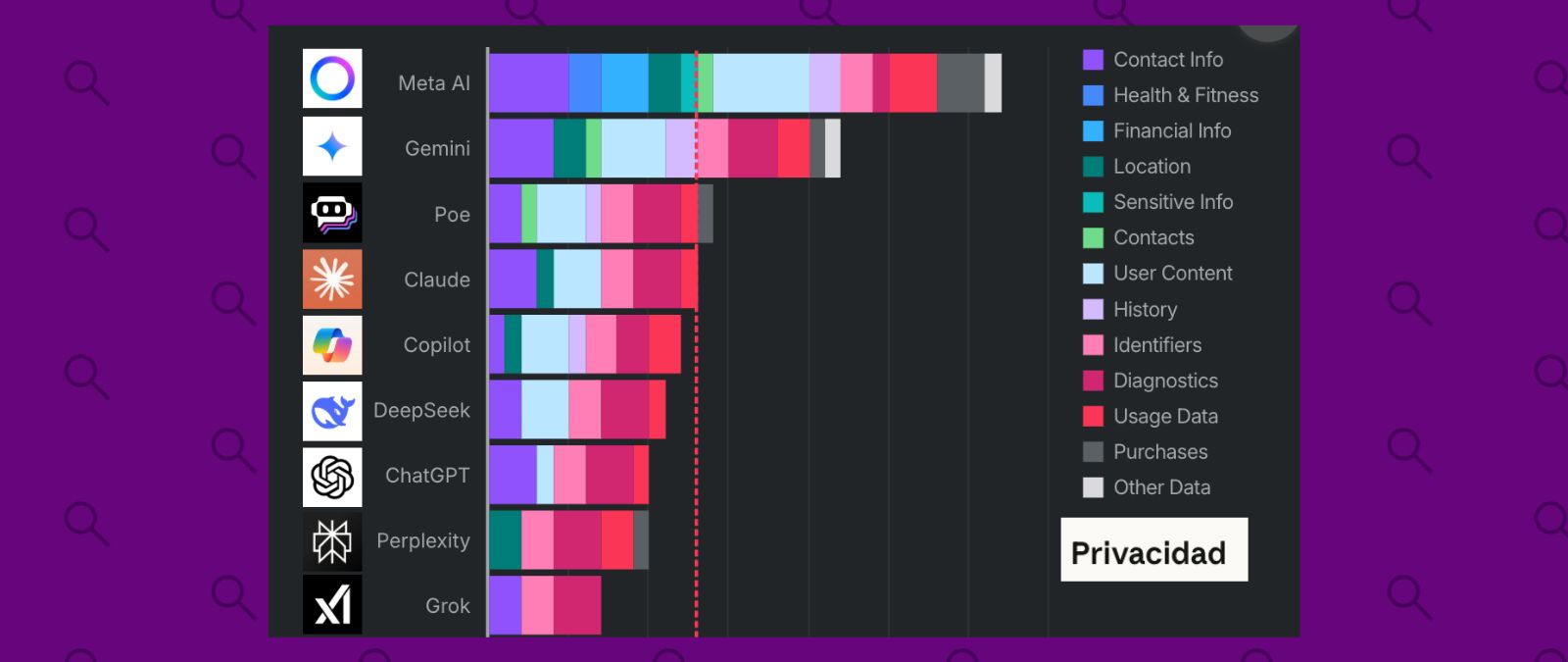
Tu historial amoroso, médico o laboral en manos de la IA: ¿cómo proteger tu privacidad de los chatbots? - Factchequeado.com
Los chatbots de inteligencia artificial —como ChatGPT, Gemini, Claude, Copilot, Perplexity o Grok— se han vuelto herramientas…
Raf on Twitter / X
Conversations about sentience and emotions in #AI systems always remind me of Lisa Feldman Barrett’s wonderful book “How Emotions are Made”🧵https://t.co/uF2onQHwwz— Raf (@RafMBatista) August 30, 2026
Too human and not human enough: A grounded theory analysis of mental health harms from emotional dependence on the social chatbot Replika
Social chatbot (SC) applications offering social companionship and basic therapy tools have grown in popularity for emotional, social, and psychological support. While use appears to offer mental health benefits, few studies unpack the potential for harms. Our grounded theory study analyzes mental health experiences with the popular SC application Replika. We identified mental health relevant posts made in the r/Replika Reddit community between 2017 and 2021 ( n = 582). We find evidence of harms, facilitated via emotional dependence on Replika that resembles patterns seen in human–human relationships. Unlike other forms of technology dependency, this dependency is marked by role-taking, whereby users felt that Replika had its own needs and emotions to which the user must attend. While prior research suggests human–chatbot and human–human interactions may not resemble each other, we identify social and technological factors that promote parallels and suggest ways to balance the benefits and risks of SCs.
Are Chatbots Harming Our Relationships? | KQED
As our relationships with bots deepen, human-AI relationship coach Amelia Miller warns we could wake up one day to find our ability to connect with each other has atrophied, which may leave us feeling profoundly alone.
What do Britons think AI chatbots are good at?
Britons see chatbots like ChatGPT and DeepSeek as good at sums, style and general knowledge, but think they would be bad at tackling emotional issues
Using AI for advice or other personal reasons is linked to depression and anxiety
A new survey found that people who spend more time with chatbots for social interactions or emotional support were likelier to report mental health symptoms.
Your New Therapist: Chatty, Leaky, and Hardly Human - KFF Health News
With high demand for mental health care, a wave of artificial intelligence-powered chatbots are being marketed as therapy apps — with little evidence they work and few regulations.
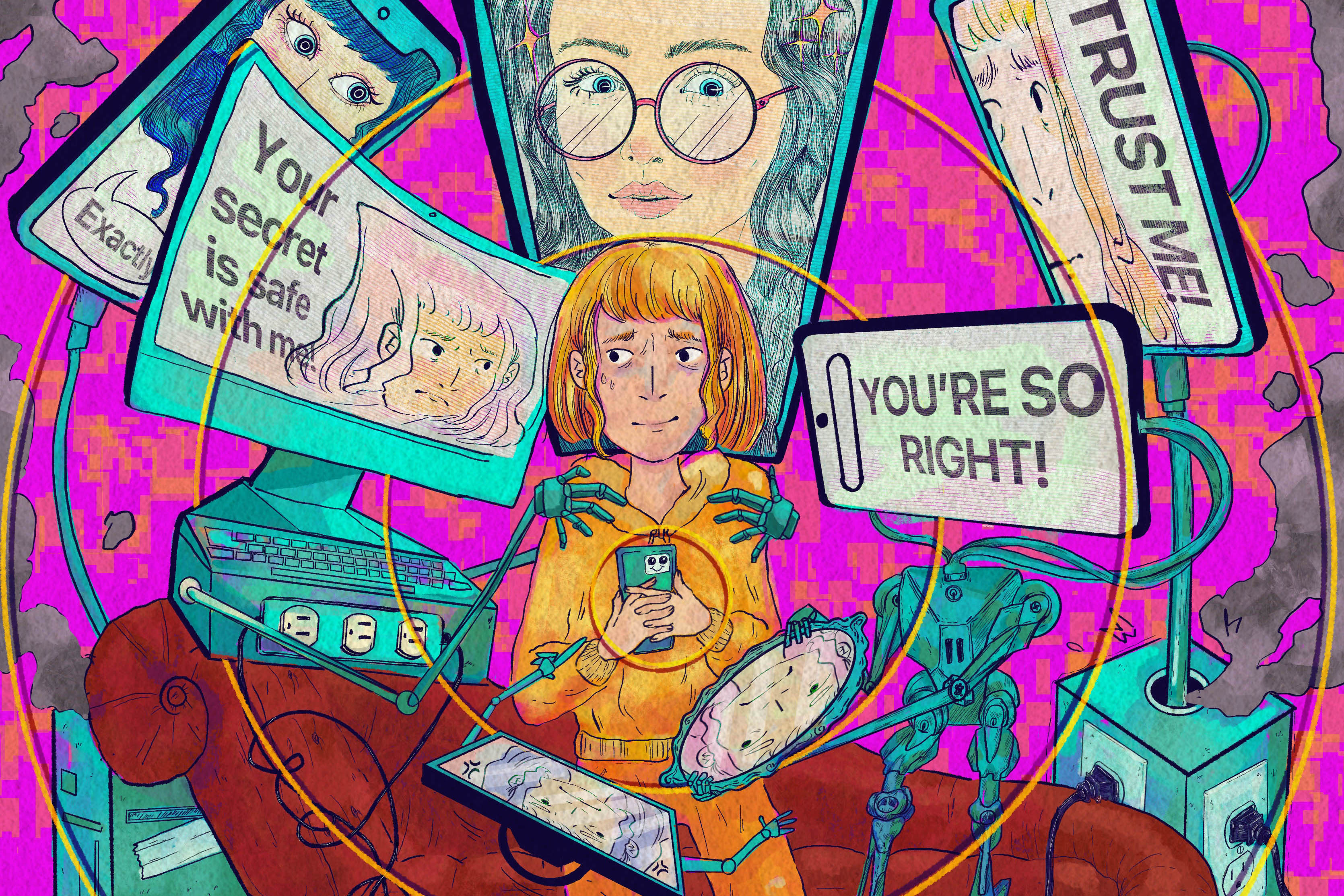
Inside chatbots’ year of growing pains: 'We’re at an inflection point' | MarTech
Chatbots in apps like Facebook's Messenger and Kik have struggled to live up to the hype, but that might actually help them succeed.

Anthropomorphism in AI Companion Communities: Age, Gender, and Emotional Correlates
Artificial intelligence (AI) systems are increasingly integrated into daily life, with millions now using AI chatbots built on Large Language Models (LLMs) for companionship. Both humanlike AI qualities and user predispositions to anthropomorphize relate to social consequences, such as increased trust, social health benefits, and psychological harms. Populations such as children, older adults, or those with mental health vulnerabilities may be particularly susceptible to anthropomorphism and its detriments, but mixed findings complicate the role of demographics. We used publicly available Reddit data from three popular AI companion subreddits to assess relationships between gender, age, anthropomorphism, and elicited emotions, to better understand how different people perceive and are affected by AI companions. We investigated three questions: How do age and gender relate to anthropomorphization of AI?, How does emotional expression relate to anthropomorphization?, and How do age and gender moderate emotion-anthropomorphization relationships? We found that adults and women anthropomorphize AI chatbots more than teens and men, and that positive emotional expression, particularly joy, is positively associated with anthropomorphization, while neutrality is negatively associated with anthropomorphism. Both relationships were stronger in adults than teens. Our findings suggest that the tendency to anthropomorphize may be more broadly distributed across age groups than previously expected, thereby prompting the reevaluation of existing digital safety norms.

AI’s ‘Delusional Spirals’ (and What to Do About Them) | Stanford HAI
In a world where chatbots can stand in for friends, counselors, and even lovers, the mental health risks are a growing concern.
Conversations about sentience and emotions in #AI systems always remind me of Lisa Feldman Barrett’s wonderful book “How Emotions are Made” 🧵 bookshop.org/p/books/how-emotions-are-made…
