Requests are rising from law enforcement for information on the devices, which can include internet queries, food orders, and overheard conversations.
Ukrainian police use cellphones to track protesters, court order shows
Tower dumps" help government profile people attending demonstrations.

Here’s how cops are using high-tech tools to monitor protesters
When Americans take to the streets to make their voices heard, they’re inevitably dragging their digital trails right along behind them.
The Gyroscopes in Your Phone Could Let Apps Eavesdrop on Conversations
In the age of surveillance paranoia, most smartphone users know better than to give a random app or website permission to use their device’s microphone. But researchers have found there’s another, little-considered sensor in modern phones that can also listen in on their conversations. And it doesn’t even need to ask. In a presentation at \[…\]

NSW Police Given New Powers to Download Phone Data During Roadside Stops and Arrests
The laws empower police to download phone data during any lawful detention including those during roadside stops and arrests they suspect an “organised crime offence”.
This App Warns You if Someone Is Wearing Smart Glasses Nearby
The creator of Nearby Glasses made the app after reading 404 Media's coverage of how people are using Meta's Ray-Bans smartglasses to film people without their knowledge or consent. “I consider it to be a tiny part of resistance against surveillance tech.”
Privacy laws lag behind as some Canadian police forces begin to use facial recognition technology | CBC News
Privacy advocates are calling on all levels of government to create specific regulations around police use of facial recognition technology.

How Cops Can Get Your Private Online Data
Can the cops get your online data? In short, yes. There are a variety of US federal and state laws which give law enforcement powers to obtain information that you provided to online services. But,

California Police Are Sharing Facial Recognition Databases to ID Suspects
New emails reveal how a private technology company is working to change law enforcement as we know it

FBI could force us to turn on iPhone cameras and microphones, says Apple
Eddy Cue warns precedent set by San Bernardino case could lead to company being forced to turn users’ smartphones into surveillance devices
Opinion | The Internet of Way Too Many Things (Published 2015)
You may be able to get your phone to project bright colors if your window sensor detects a burglar, but what is protecting you from your phone?

Florida cops are quietly using Meta smart glasses
Privacy advocates warn the glasses could let cops record people without them noticing.

CSEC Wi-Fi snooping experiment prompts calls for review | CBC News
A B.C. MP is calling for an independent review of the activities of Canada's electronic spy agency, after CBC News revealed this week that the agency conducted an experiment in tracking internet users who logged in through wireless access points at Canadian airports.

Police, Power and Privacy: Top secret RCMP files reveal digital roadblocks in terrorism, major crime cases | CBC News
Police, Power and Privacy is a special 5-part investigative series that looks at why police across the country want new powers to track tech-savvy suspects, and why privacy advocates say they should be denied.

Japan police panel urges remote phone analysis to fight anonymous crime groups
TOKYO -- A Japan police advisory panel has proposed the early introduction of remote analysis of smartphones used by anonymous, fluid crime groups, de

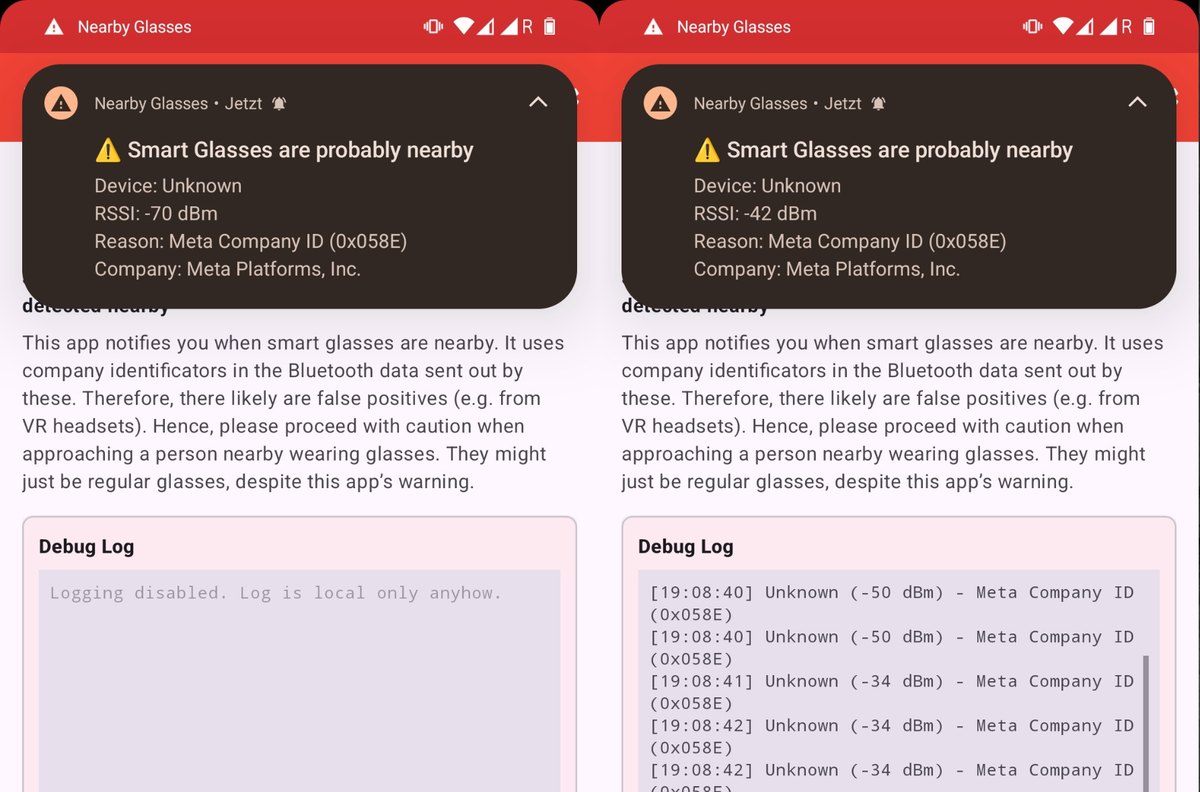
A new app alerts you if someone nearby is wearing smart glasses | TechCrunch
A hobbyist developer's new app, which can detect nearby smart glasses, comes amid resistance to always-on recording and listening devices that invade people's privacy.

Bill C-22’s Groundhog Day: Why the Government’s Dismissal of Signal, Apple and the U.S. Congress Concerns Runs Back the Disastrous Online News Act Playbook - Michael Geist
Secure messaging service Signal yesterday became the latest company to warn that Bill C-22, the lawful access bill, could force it to leave the Canadian market rather than comply with provisions it says would compromise its end-to-end encryption and create new cybersecurity risks. Signal vice-president Udbhav Tiwari told the Globe and Mail that the company “would rather pull out of the country than be compelled to compromise on the privacy promises we have made to our users.” The comments are part of a steady stream of similar warnings from Apple, Meta, the Canadian Chamber of Commerce, the Cybersecurity Advisors Network, and the chairs of the U.S. House Judiciary and Foreign Affairs Committees. Despite growing concern, the government’s response has been to launch a misleading social media campaign and repeatedly insist that the experts and companies are mistaken.