The Trump administration announced plans to clamp down on China’s access to AI chips. Apparently, the cheating scandal of the century was the motivation they were missing.
Jensen Huang Really Liked Selling China Advanced AI Chips
This scandal is a really big deal.

AI Almost Started a U.S.–China War — and No One Seems to Care
The tech world is too busy dreaming up imaginary doomsday scenarios to focus on a very real one that flared up between nuclear powers.
AI Promise and Chip Precariousness
The AI industry is more exciting than ever, but the chip situation is very precarious and requires drastic action.

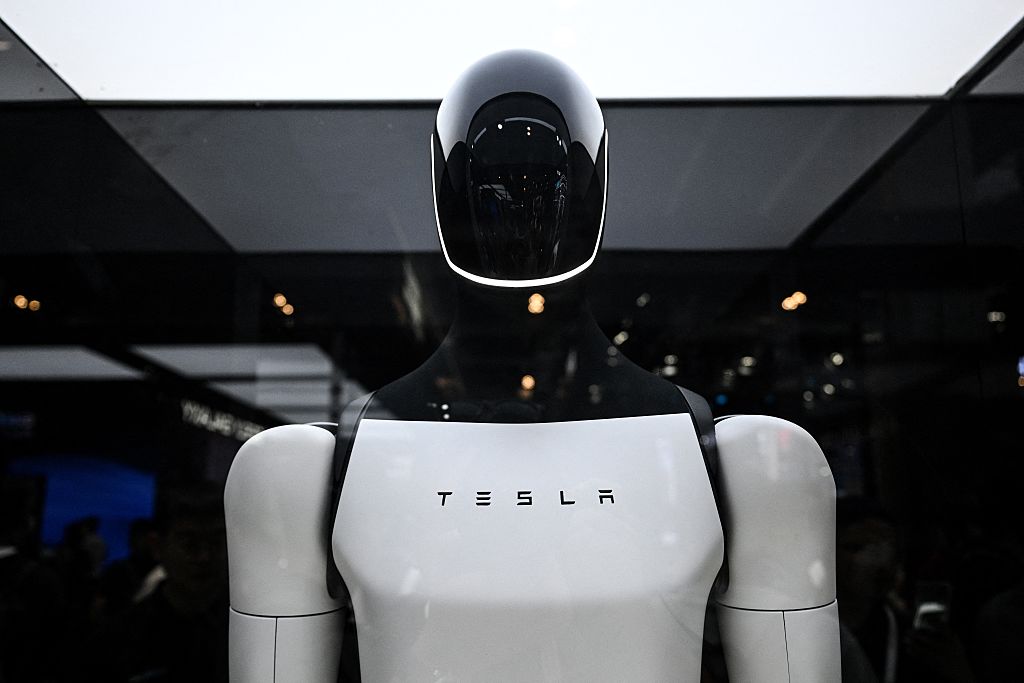
Computer Chips Are the Most Magnificent Things Humanity Has Ever Made
They power our phones, cars, dishwashers—and the A.I. systems that prop up the economy. They’re also at the heart of fierce geopolitical rivalry.

AI hallucination of Chinese nuclear components almost led to US military attack
But the military's overall use of AI seems to be accelerating.

Intel’s Death and Potential Revival
Intel died when mobile cost it its software differentiation; if the U.S. wants a domestic foundry, then it ought to leverage the need for AI chips to make an independent Intel foundry viable.
Why China is giving away its best AI models
Chinese labs like Moonshot are forcing OpenAI, Google, and Anthropic to rethink what they lock away.

Trump Resets AI Policy, Qwen3’s Agentic Advance, U.S. Chips for China, The Trouble With AI Friends
President Trump set forth principles of an aggressive national AI policy, and he moved to implement them through an action plan and executive orders.
The real AI economy is being built by ordinary people
Far from Silicon Valley pitch decks, workers across Asia and Africa are bypassing tech industry hype to quietly rewire their daily jobs — one prompt, workflow, and local problem at a time.

The Trump Administration’s Hard-On for AI, Explained
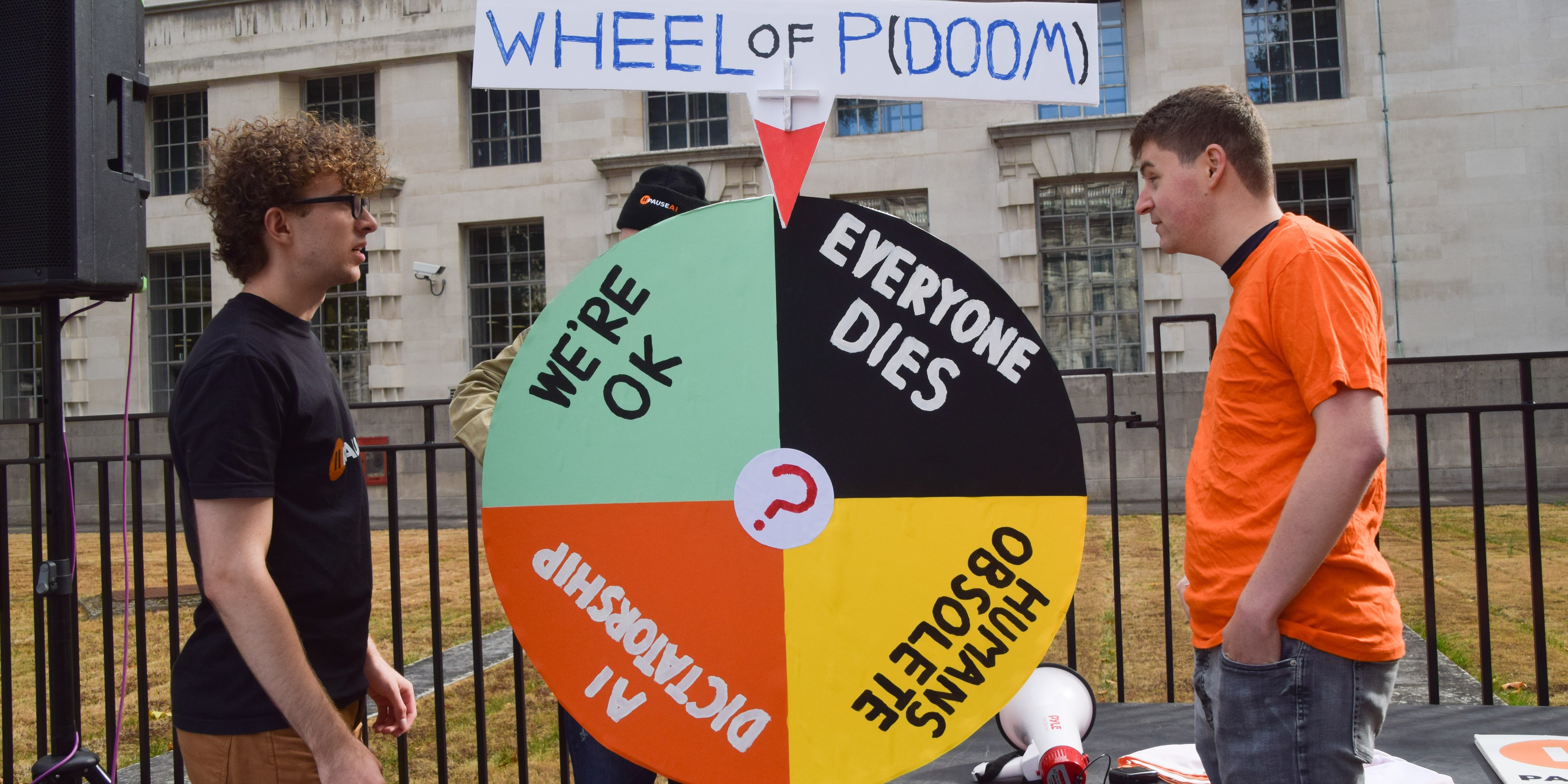
“No dooming. America will be AI DOMINANT!”

Don’t Believe the Hype — or Doom — About AI
For America’s VC-dominated tech industry, AI hype isn’t just a crazy by-product — it’s a structural part of the US economy in which capital tries to write our destinies. We shouldn’t let it.
Big Tech Pulled the Plug. They Downloaded Their Lovers.
How Chinese users created AI lovers, friends and family — and struggled to let them go

The Great AI Divide: Navigating U.S. and Chinese dominance
At a Rest of World event during New York Tech Week, we explored the challenges and possible solutions to the dominance of American and Chinese AI companies.

“Parasitic Technology”: Could Jensen Huang/Nvidia Scandal Prompt Rethink About AI?
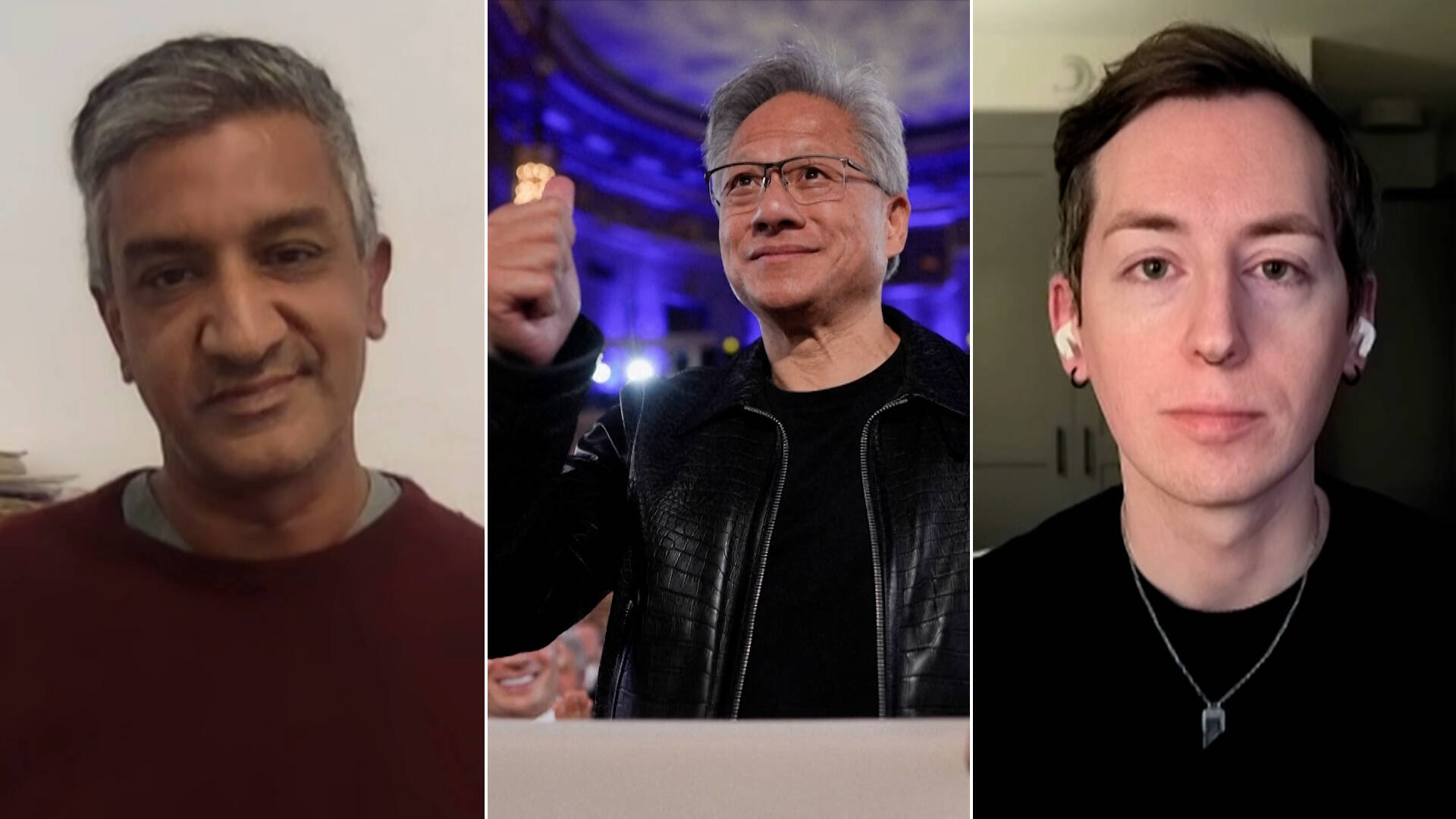
Nvidia CEO Jensen Huang resigned Thursday after reports of multiple extramarital affairs, including with an employee and a Chinese businesswoman whom U.S. intelligence officials accuse of spying for Beijing. The company says Chief Financial Officer Colette Kress will serve as interim CEO as the board searches for a permanent replacement. Nvidia’s computer chips are at the heart of the artificial intelligence boom, driving the company’s value above $4 trillion and making Huang one of the most influential business leaders in the world. His spectacular fall from the company he co-founded in 1993 comes as the U.S. stock market has become highly dependent on a handful of AI-related companies and amid intense competition between the United States and China over control of the technology, with access to Nvidia’s chips becoming a major point of contention between the two countries. Tech critic Paris Marx notes that the AI industry’s “circular financing,” in which companies are both clients and investors for one another, has created systemic risk. We also speak with Ramesh Srinivasan, director of the AI Futures Lab at UCLA, who says the “soap opera” of the Huang scandal has exposed “how precarious the governance of this AI truly is,” with only a handful of people and firms controlling “incredibly powerful technology that feeds off of all of us and the planet.”
The Missing Resistance in China’s AI Debate
As Washington negotiates AI guardrails with Beijing, it must understand why the AI debate in China is so quiet: control, not consent.
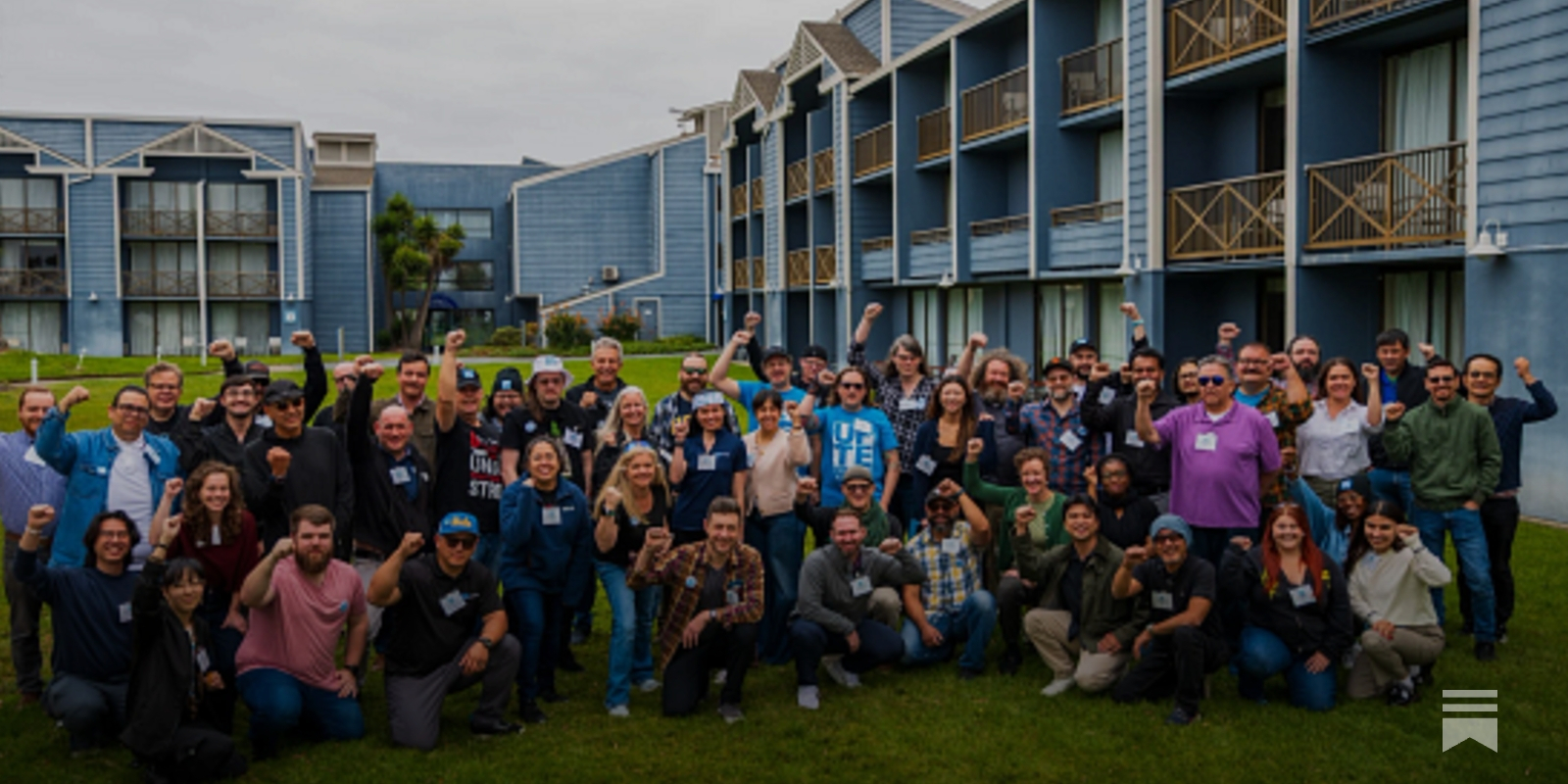
They just formed the biggest tech worker union in the US. They plan to rein in AI and curb layoffs
"Who AI benefits and who it immiserates often is based on who gets to decide how it’s used. We know how tech is used on the day to day. We should be at the table as well."