


Viral outrage is great for Facebook—and that should give us pause.
Facebook faces a reputational meltdown
This is how it, and the wider industry, should respond

Delay, Deny and Deflect: How Facebook’s Leaders Fought Through Crisis (Published 2018)
Russian meddling, data sharing, hate speech — the social network faced one scandal after another. This is how Mark Zuckerberg and Sheryl Sandberg responded.

Facebook pays controversial creators to produce rage-bait content
An ABC NEWS Verify investigation reveals Facebook is directly funding some controversial Australian content creators including a white nationalist and an anti-vaxxer influencer.

Facebook’s Crisis Management Algorithm Runs on Outrage
One year after the Cambridge Analytica scandal, Mark Zuckerberg says the company really cares. Then why is there an endless cycle of fury and apology?

On Digital Disinformation and Democratic Myths – MediaWell
For two years, from 2015 to 2017, the Russian Internet Research Agency (IRA) operated a “Blacktivist” Facebook page. The Blacktivist account posed as an organic, grassroots online activism site, amplifying and contributing to the Black Lives Matter movement. It shared news, memes, and perspectives about racial injustice in America. Blacktivist was the most prominent of the IRA-generated Facebook pages, with over 6.18 million “interactions” recorded across its top 500 posts. The page had 360,000 likes, more than the verified Black Lives Matter account on Facebook (O’Sullivan and Byers 2017). In congressional hearings about Russian online disinformation and propaganda campaigns, poster-sized versions of Blacktivist posts and memes were on prominent display. Blacktivist stands as a warning sign of the sheer volume of online disinformation activities by foreign actors in US politics.

Digital Social Norm Enforcement: Online Firestorms in Social Media
Actors of public interest today have to fear the adverse impact that stems from social media platforms. Any controversial behavior may promptly trigger temporal, but potentially devastating storms of emotional and aggressive outrage, so called online firestorms. Popular targets of online firestorms are companies, politicians, celebrities, media, academics and many more. This article introduces social norm theory to understand online aggression in a social-political online setting, challenging the popular assumption that online anonymity is one of the principle factors that promotes aggression. We underpin this social norm view by analyzing a major social media platform concerned with public affairs over a period of three years entailing 532,197 comments on 1,612 online petitions. Results show that in the context of online firestorms, non-anonymous individuals are more aggressive compared to anonymous individuals. This effect is reinforced if selective incentives are present and if aggressors are intrinsically motivated.
How to rage bait Americans
Facebook’s Attack on Research is Everyone's Problem
Facebook recently banned the accounts of several New York University (NYU) researchers who run Ad Observer, an accountability project that tracks paid disinformation, from its platform. This has
Virality | The Paper Pilot
The Paper Pilot's digital garden of thoughts on philosophy, politics, and sociology
Facebook’s Cambridge Analytica problems are nothing compared to what’s coming for all of online publishing
Let’s start with Facebook’s Surveillance Machine, by Zeynep Tufekci in last Monday’s New York Times. Among other things (all correct), Zeynep explains that “Facebook makes m…

Facebook-Cambridge Analytica: A timeline of the data hijacking scandal
Facebook is desperately trying to mend its damaged reputation following the continued fallout of a massive data scandal.
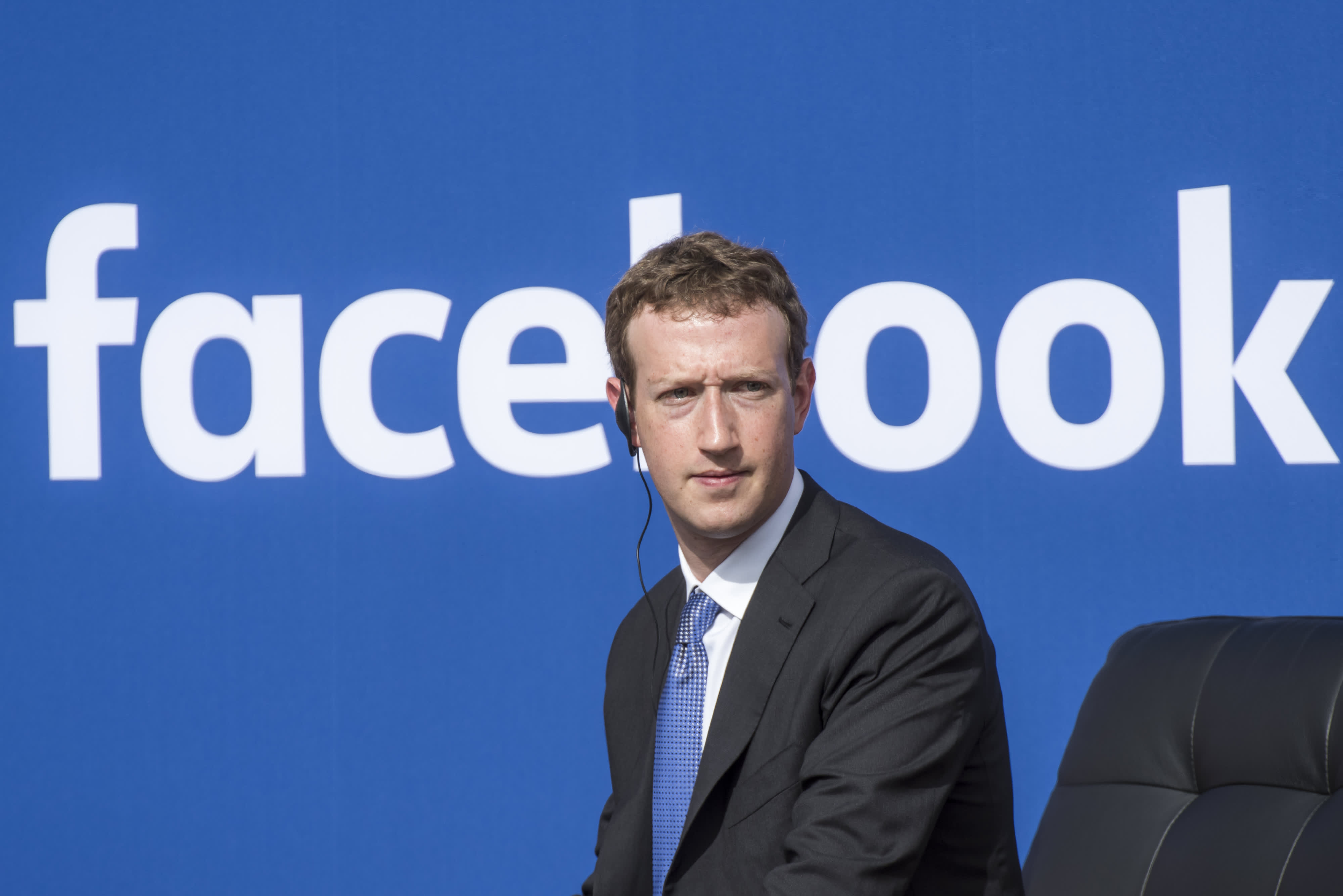
Meta and TikTok let harmful content rise after evidence outrage drove engagement - whistleblowers
Companies allowed more harmful content on user’s feeds, knowing their algorithms ran on outrage, BBC hears.

Bluesky COO Rose Wang On Building a Better Social Network
NEW: In one of the most horrifying stories I've ever reported, I found that Facebook is hosting huge quantities of AI-generated videos of violent child abuse -- kids being beaten, burned, and far more But the genuinely shocking thing was how little Meta seems to care futurism.com/artificial-intelligence/faceb…
