Age-verification laws are on the rise around the world, and VPNs promise to get around them. But do they actually work?
EFF on Age Verification Laws: VPNs cannot be a permanent solution
Although VPNs can be an effective workaround to age verification laws and app bans, the EFF argues that they cannot be a reliable long-term solution. Not only do many VPN providers collect their customer’s personal information, they may become ineffective due to changing regulatory requirements. Currently, the EFF only mentions political advocacy as the best method to address these laws. With varying mandates across different regions, it will become increasingly difficult for VPNs to effecti...

VPNs Are Not a Solution to Age Verification Laws
VPNs are having a moment. On January 1st, Florida joined 18 other states in implementing an age verification law that burdens Floridians' access to sites that host adult content, including

State-Based Online Restrictions: Age-Verification and the VPN Obstacle in the Law – International Journal of Law, Ethics, and Technology
Who’s Harmed by Age Verification Mandates?
Age-verification laws may sound straightforward to some: protect young people online by making everyone prove their age. But in reality, these mandates force users into one of two flawed
Age-verification laws are just VPN tutorials
On July 25, the day the United Kingdom activated the first phase of its Online Safety Act, requiring any website with sexually explicit…
Age Verification Mandates Would Undermine Anonymity Online
Age verification systems are surveillance systems. Mandatory age verification, and with it, mandatory identity verification, is the wrong approach to protecting young people online. It would force

Age verification is coming for the internet — and it’s already raising red flags
Legislative efforts to age-gate parts of the internet are gaining traction. Some experts warn of compliance complications and data security breaches.

Online age verification systems fail to protect children | Proton
Do online age verification systems improve child safety? See how age restrictions and age checks fall short, and what that means for privacy and protection.

Age verification: Child protection or privacy risk?
With more platforms and governments asking for age verification, we look at the options and the implications.

Is Age Verification Really Keeping Kids Safe—or Just Risking Your Privacy?
Age verification just isn’t worth it. The benefits for kids are debatable, and what you’re really giving up is your personal data, which is more valuable than ever.


The Dangers of Age Verification Provisions
One proposed solution to ensuring safe youth online experiences is age verification provisions, which require platforms to confirm the ages

Age verification needs better privacy protections, report says
New America’s Open Technology Institute called for the use of zero-knowledge proofs, which verify a user’s age without disclosing any personal information.

Online Age Verification: Government Legislation, Supplier Responsibilization, and Public Perceptions
There are widespread concerns about the online harms to children operating online. As such, governments have enacted laws to require online service providers to deploy age verification to prevent such harms. We investigate the following three research questions regarding this topic: (1) To what extent have different governments legislated age verification controls? (2) Do governments embrace a responsibilization strategy when it comes to online age verification? and (3) How does the UK public feel about online age verification legislation? We find that governments are applying a responsibilization strategy, which has led to widespread deployment of privacy-invasive or ineffective age verification. The former violates the privacy of underage users, with the latter undermining the overarching aims of the legislation. We have also found general disengagement and a lack of trust in the government amongst the public with regards to new online age verification laws within the UK. To conclude, despite governments globally looking to put more robust online age verification mechanisms in place, there remains a general lack of privacy preservation and affordable technological solutions. Moreover, the overarching aims of the online safety and age verification legislative changes may not be satisfied due to the general public stakeholder group's disengagement and lack of trust in their government.

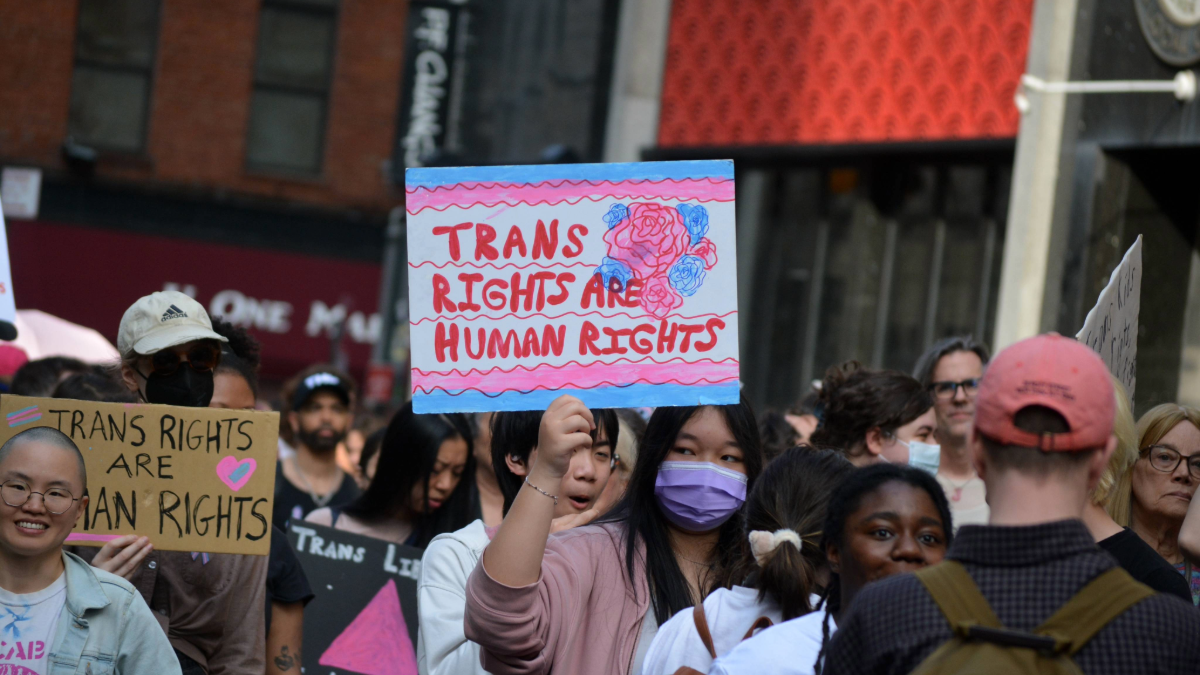
Age Verification Is Locking Trans People Out of the Internet
Experts tell Dia Kayyali and Jasmine Mithani that age verification, sold as a fix for kids’ online safety, expands surveillance and deepens discrimination.
Exploring Privacy-Preserving Age Verification: A Close Look at Zero-Knowledge Proofs
A path toward protecting young people online that doesn’t sacrifice their privacy or data security, amid persistent concerns about screen time.