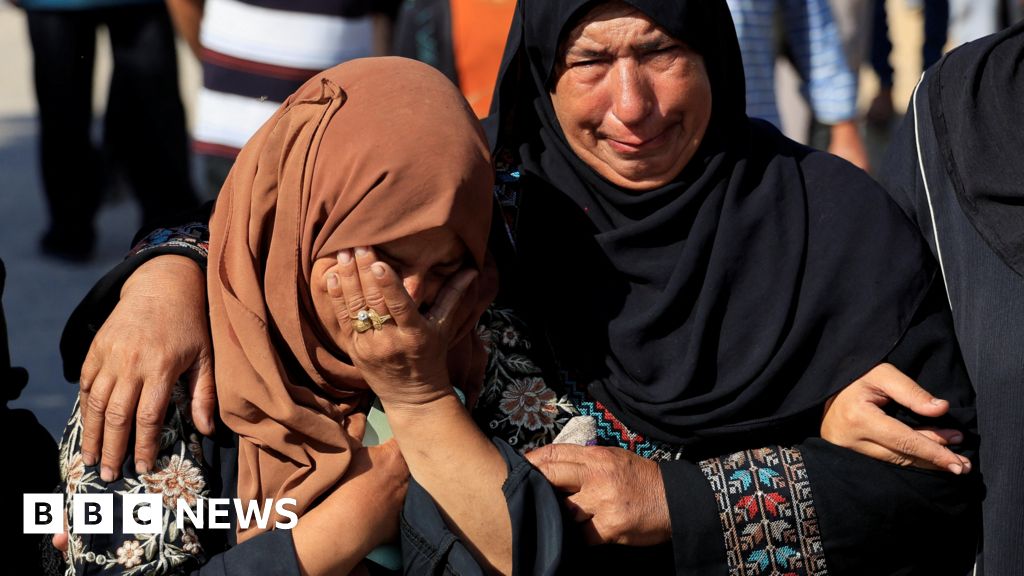
So-called “less-lethal” weapons like those that have been used against demonstrators in Los Angeles can cause severe, lasting harm like nerve or brain damage or blindness. They can also kill.
How to Protect Yourself during Protests
Demonstrators face tear gas, flash bangs, coronavirus and surveillance
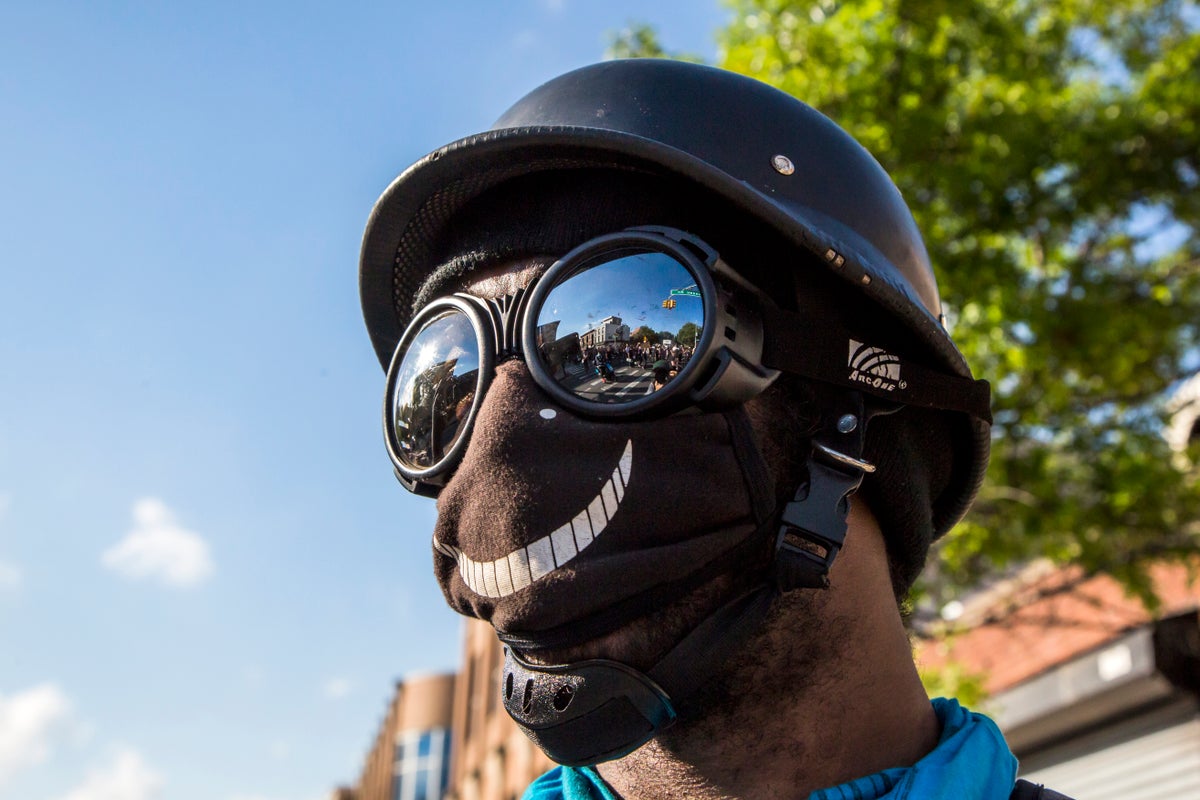
Drugs as weapons against us: the CIA's murderous targeting of SDS, Panthers, Hendrix, Lennon, Cobain, Tupac, and other activists
Drugs as Weapons Against Us meticulously details how a …

Opportunities to Improve Military Policies and Practices to Reduce Civilian Harm From Explosive Weapons in Urban Conflict
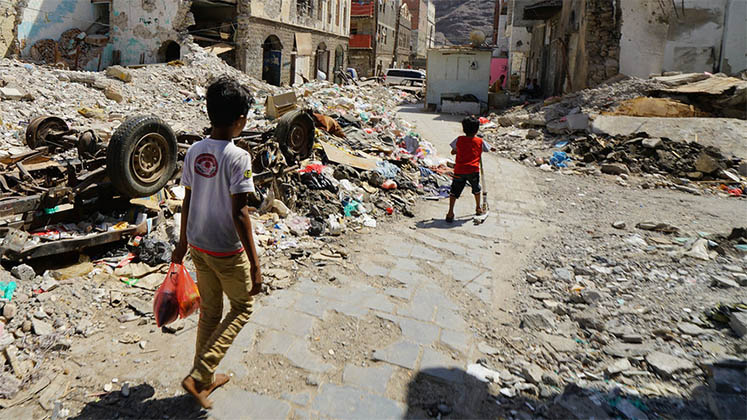
This research paper seeks to contribute to further thinking and dialogue among States and their militaries that conduct operations in urbanized environments on what more can be done to reduce civilian harm by proposing practical measures in the form of options for consideration. UNIDIR seeks to enhance knowledge on ways to reduce risks and mitigate harm to civilians from the effects of explosive weapons in urbanized environments. This research frames the issue of explosive weapons in the broader context of protection of civilians in urban conflict and focuses on multilateral operations. The research takes a comprehensive approach to civilian protection from a ‘risk reduction’ perspective—that is, seeking to understand where the risks and uncertainties lie in the entire ‘civilian protection life cycle’, recognizing that civilian harm is the cumulative effect of numerous risks and decisions made from formulating mandates, planning, execution, assessment and response to lessons learned and institutional learning. Particular focus is placed on the targeting and weaponeering processes. Citation: Roger Lane, Larry Lewis and Himayu Shiotani (2019) "Opportunities to Improve Military Policies and Practices to Reduce Civilian Harm From Explosive Weapons in Urban Conflict", UNIDIR, Geneva, Switzerland. https://doi.org/10.37559/CAAP/19/PACAV/11 TRANSLATIONS To read the report in French, click here.
Traumatic amputations caused by drone attacks in the local population in Gaza: a retrospective cross-sectional study
Drone strikes were the most commonly reported cause of amputation injury in our study population and were associated with more severe injuries and more additional surgeries than injuries caused by other explosive weapons. Limitations of our study include the self-reported nature of the mechanism of injury and number of subsequent surgeries and selection bias from not incorporating amputation injuries from individuals who died immediately or due to complications. The increasing use of drones needs to be addressed, rather than passively accepted, by the international community.

Decapitation and the End of Politics
How Targeted Killings Are Reshaping Modern Warfare

A Better Conversation on Guns
For the U.S. to make lasting progress against firearm violence, it must change the way it talks about — and talks to — people who carry.
UN rights chief says Haiti's use of drones 'likely unlawful,' hundreds killed this year
The U.N. Human Rights chief said on Thursday that Haiti's use of lethal force against gangs was disproportionate and likely unlawful, saying its actions, including drone strikes accounted for more than half of this year's killings and injuries.

How Human Traffickers Force Victims Into Cyberscamming — ProPublica
Tens of thousands of people from across Asia have been coerced into defrauding people in America and around the world out of millions of dollars. Those who resist face beatings, food deprivation or worse.

The Political Declaration — UNODA
Political Declaration on Strengthening the Protection of Civilians from the Humanitarian Consequences Arising from the Use of Explosive Weapons in Populated Areas
United States strikes on alleged drug traffickers during Operation Southern Spear
The United States military began executing airstrikes on vessels in the Caribbean Sea in September 2025, described by the administration of President Donald Trump as part of an effort to fight the flow of illicit drugs from Latin America to the US. In October, the strikes expanded to include vessels in the Eastern Pacific Ocean. The Trump administration has alleged, without producing public evidence, that the vessels were operated by groups it designated as narcoterrorists, including the Venezuelan organization Tren de Aragua and the Colombian far-left guerilla group National Liberation Army.
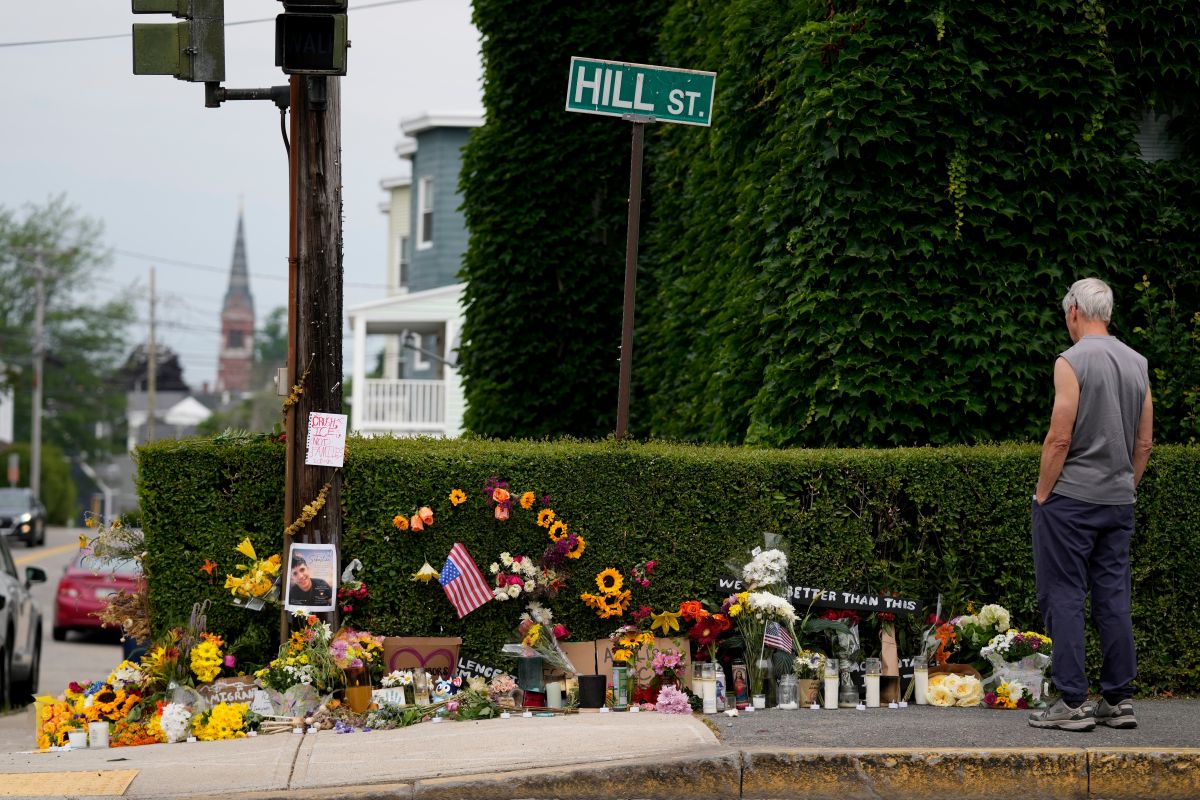
Biddeford shooting renews questions about ICE tactics, training
A review of previous Maine cases show how investigations into use of force often lean heavily on officers’ perception of potential harm.
History Illustrated: Death from above: Drones take aim at gangs in Haiti
The use of ‘kamikaze’ drones to target gang members in crowded Haitian slums being called ‘ineffective’.


I spent over 100 hours compiling and analyzing 5,000 videos of soldiers trying to escape UAV drones — pulling material from Telegram, Reddit, and other sources. Here is what i found out. There are… | Louis Saillans | 336 comments
I spent over 100 hours compiling and analyzing 5,000 videos of soldiers trying to escape UAV drones — pulling material from Telegram, Reddit, and other sources. Here is what i found out. There are more videos available. But I had to stop at that stage because of the psychological toll. I wanted to understand what factors affect survival when soldiers are targeted by drones. Here’s what the data revealed: A/ 67% survival rate in obstructed environments (buildings, dense forests). Why? Drones are designed for speed and detonation, not collision avoidance. Many simply smash into walls, doors, windows, or get tangled in branches and detonate before hitting their target. B/ 92% death rate in open fields. No matter the escape method — running on foot, driving, riding a motorbike, or sitting on top of an armored vehicle — the drones outpace and outmaneuver almost every attempt to flee in open terrain. C/ Armed vehicles provide some protection, but it’s limited. If a vehicle withstands the initial attack and the crew dismounts, the soldiers’ survival rates revert to the numbers above (depending on the environment). But here’s the biggest discovery I made: => Smoke increases survival rates by 32%. Whether it’s using the smoke from a burning vehicle or deploying a smoke grenade to obscure a forest entrance, smoke acts as a critical cover. It confuses visual tracking systems and gives soldiers a vital edge when escaping drone pursuit. This analysis isn’t just academic — it’s a reminder of the terrifying efficiency of modern drone warfare and the importance of environmental and tactical adaptation on the battlefield. We’re building systems to detect and track drones before they strike — even in environments where visual detection or radar struggles. Our goal: to empower defense forces, critical infrastructure, and public spaces with early warning and real-time situational awareness against drone threats. We’re currently piloting projects in Europe and actively engaging with partners and investors who want to help scale Europe’s counter-drone capabilities. If you want to connect or collaborate, reach out! Research sources: @dronewar @VictoryDrones2023 @dronesukraina @strikedronescompany | 336 comments on LinkedIn

The Deadly Rise of Giant Trucks and S.U.V.s
The vehicles on American roads have grown larger — and they are killing thousands more pedestrians, a Times investigation found.

At least 27 Palestinians killed by Israeli fire near aid centre, Gaza authorities say
Civilians were fired at by tanks, drones and helicopters, civil defence officials say, while Israel says only that troops fired towards several suspects.