Founded in 2010, the Worker’s Justice Project (WJP) is a New York City worker center that educates, organizes, and fights for better work conditions and social justice in the workplace. With a base of more than 12,000 members, WJP organizes low-wage, immigrant workers who are fighting to raise workplace standards in the construction, house cleaning, and app-based delivery industries.
About Us — Design Justice Network
The Design Justice Network is a home for people who are committed to embodying and practicing the Design Justice Network Principles.

Restorative Justice | The Paper Pilot
The Paper Pilot's digital garden of thoughts on philosophy, politics, and sociology
Design Justice Principles Overview and Translations of the Principles in various languages — Design Justice Network
Any individual or organization who decides to sign on to the Design Justice Network Principles is a DJN Signatory.
Design Justice: Community-Led Practices to Build the Worlds We Need
Community-Led Practices to Build the Worlds We Need
Transformative Justice | The Paper Pilot
The Paper Pilot's digital garden of thoughts on philosophy, politics, and sociology
WAO - The Workers' Algorithm Observatory
The WAO researches and audits work algorithms to empower workers. Companies increasingly rely on opaque, black-box algorithms to determine pay, scheduling, and access to work, while the data needed to understand and challenge these systems remains out of reach for workers and organizers. To address this gap, the WAO develops technology-enabled research tools, data infrastructure, and academic–organizer partnerships that support existing labor and worker organizations. By building meaningful relationships with worker organizers, crowdsourcing data, conducting transparent and policy-relevant research, and thinking deeply about the data workers need both now and in the next 5-20 years, the WAO aims to increase worker power, inform policymaking, and improve conditions for workers today and in the future.
Design Justice: Community-Led Practices to Build the Worlds We Need
An exploration of how design might be led by marginalized communities, dismantle structural inequality, and advance collective liberation and ecological survival. What is the relationship between design, power, and social justice? “Design justice” is an approach to design that is led by marginalized communities and that aims expilcitly to challenge, rather than reproduce, structural inequalities. It has emerged from a growing community of designers in various fields who work closely with social movements and community-based organizations around the world. This book explores the theory and practice of design justice, demonstrates how universalist design principles and practices erase certain groups of people—specifically, those who are intersectionally disadvantaged or multiply burdened under the matrix of domination (white supremacist heteropatriarchy, ableism, capitalism, and settler colonialism)—and invites readers to “build a better world, a world where many worlds fit; linked worlds of collective liberation and ecological sustainability.” Along the way, the book documents a multitude of real-world community-led design practices, each grounded in a particular social movement. Design Justice goes beyond recent calls for design for good, user-centered design, and employment diversity in the technology and design professions; it connects design to larger struggles for collective liberation and ecological survival. The open access edition of this book was made possible by generous funding from Knowledge Unlatched and the MIT Press Frank Urbanowski Memorial Fund.
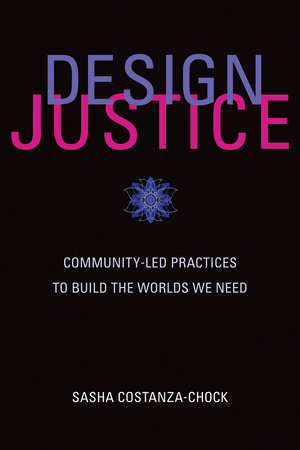
The De|Center | Justice, Human Rights, and Tech
The De|Center is the home of the Design from the Margins methodology. We do deep work with decentered communities to make concrete changes to technology tools that address systemic injustice and advance human rights.

Read the Principles — Design Justice Network
Design mediates so much of our realities and has tremendous impact on our lives, yet very few of us participate in design processes. In particular, the people who are most adversely affected by design decisions — about visual culture, new technologies, the planning of our communities, or the structure of our political and economic systems — tend to have the least influence on those decisions and how they are made.

Design Justice: Community-Led Practices to Build the Worlds We Need
An exploration of how design might be led by marginalized communities, dismantle structural inequality, and advance collective liberation and ecological su
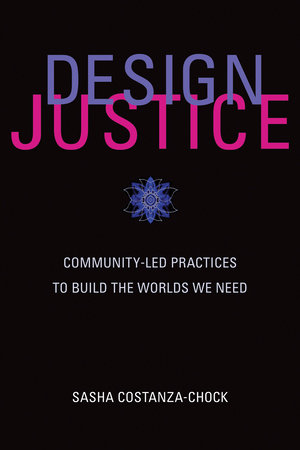
'Technology Freedom Cooperative' To Build Infrastructure for Human Rights and Justice Groups
A conversation with Maheen Khan, director of technology at the Invisible Institute, and Patrick Ball, director of research at HRDAG.
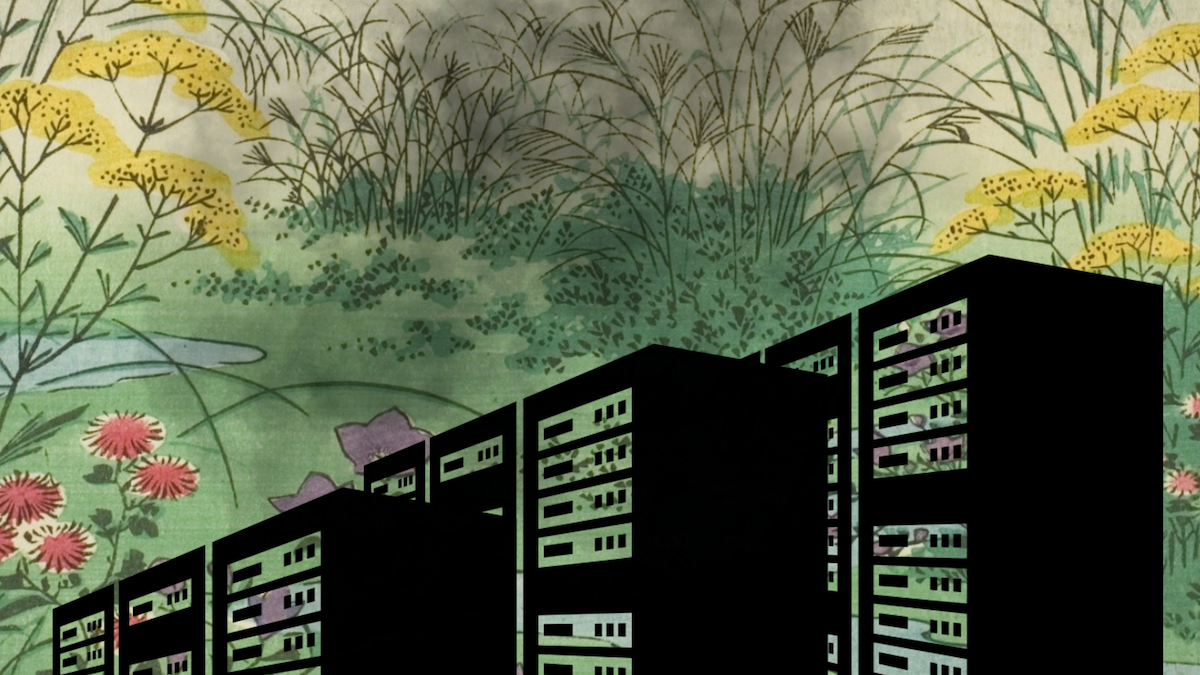
Worker What??!! - A Short Introduction to worker cooperatives (A6, 12pp) - workers.coop
Written and designed as a primer on worker cooperatives, for people new to worker co-ops and for wide distribution. ‘Worker What??!!’ describes clearly what worker co-ops are and what we stand for. It includes testimonials from worker cooperators, and was put together with a view to being stocked in worker co-op shop floors or offices,... Read more »
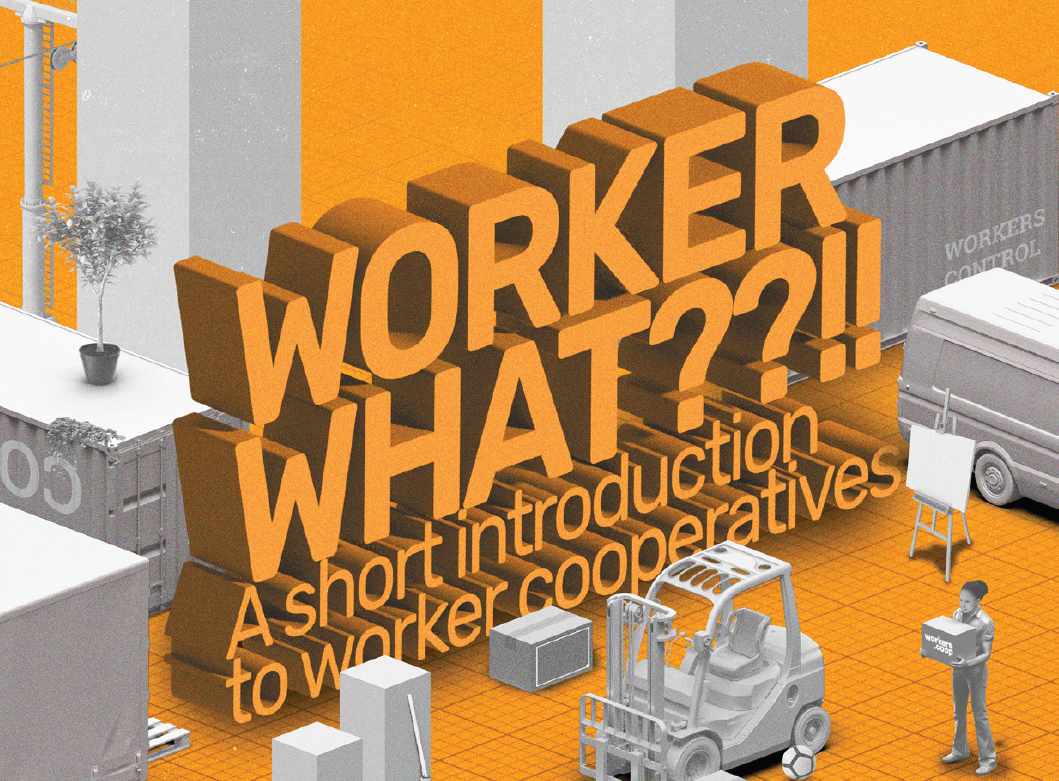
Design Justice
An exploration of how design might be led by marginalized communities, dismantle structural inequality, and advance collective liberation and ecological survival.

Design Justice
An exploration of how design might be led by marginalized communities, dismantle structural inequality, and advance collective liberation and ecological survival.
What We Believe
The Organization for Ethical Source is a global, multidisciplinary community devoted to centering justice, equity, and human rights in the practice of open source.