

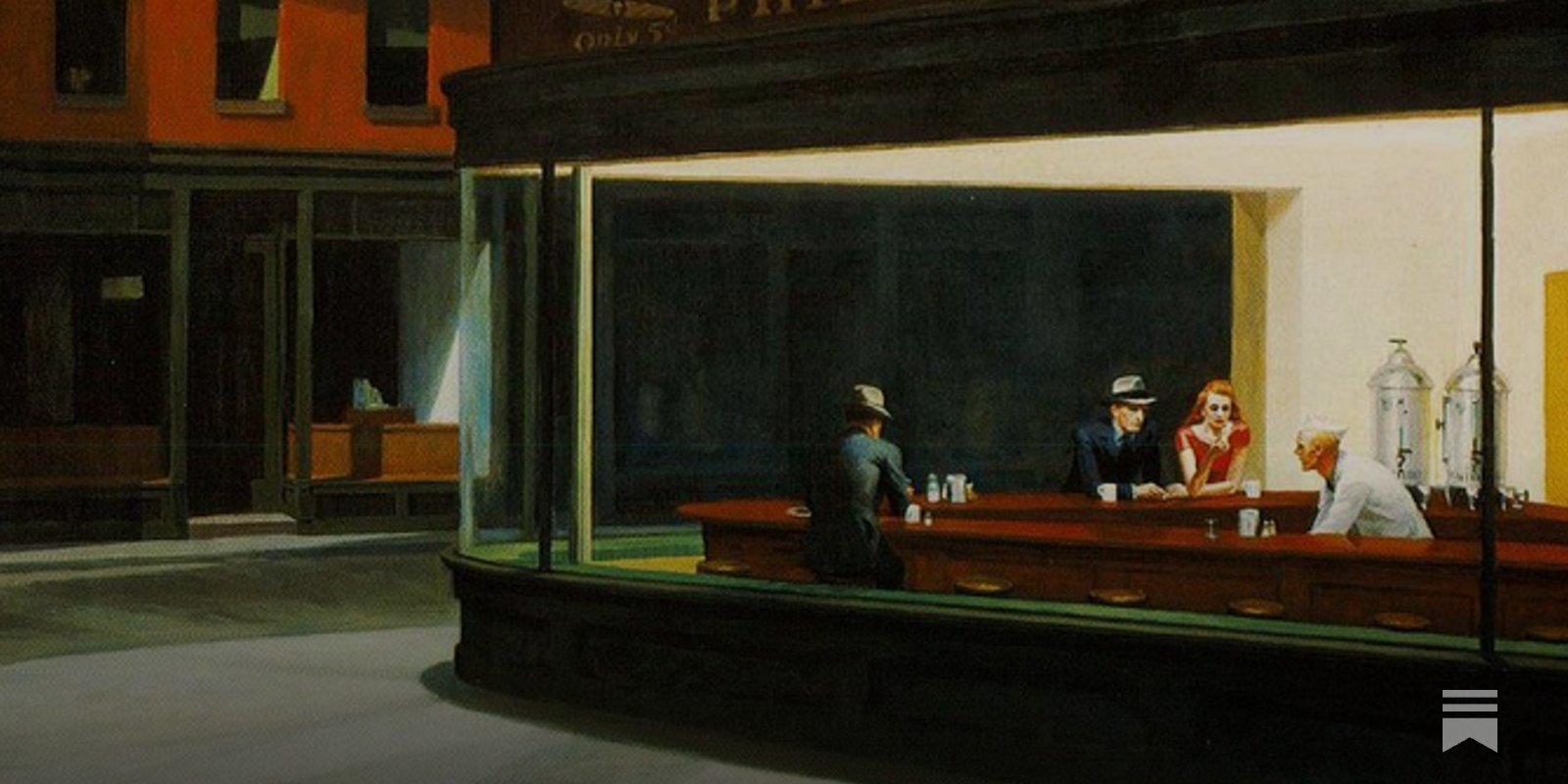
a short reflection on the inequality of time
Opinion | You Don’t Need More Free Time (Published 2016)
Well, you might. But that’s not the real key to finding work-life balance.

Sleep deprivation is not a badge of honor
Forgoing sleep is like borrowing from a loan shark. Sure you get those extra hours right now to cover for your overly-optimistic estimation, but at what price? The shark will be back, and if you ca…

Moral Ambition: Stop Wasting Your Talent and Start Making a Difference
THE INSTANT SUNDAY TIMES BESTSELLER - FROM THE 2025 BBC REITH LECTURER A GUARDIAN BOOK OF THE SUMMER 2025 'Gives us hope, humour and guidance at a time when all are in short supply' TIMOTHY SNYDER 'The rare read that might actually help you become a better person' ADAM GRANT THE ANTIDOTE TO APATHY FROM THE INTERNATIONALLY BESTSELLING AUTHOR RUTGER BREGMAN Every day we're bombarded with methods, mantras and life hacks that promise us wellness and prosperity - while time and talent remain some of our most squandered resources. The average full-time worker will spend 80,000 hours at their job: are you making the most of them? Do you truly believe in what you do, day in, day out? What if you want to do something more with your limited time on the planet? Internationally bestselling author Rutger Bregman shows us that with moral ambition - the will to make the world a wildly better place - we can be both idealistic and successful, and change the world along the way. Uncovering the qualities that made the great change-makers of history so effective, he shows how we too can lend our talents to the biggest challenges of our time, from climate change to inequality to the next pandemic. With moral ambition, we can do more than be on the right side of history: we can make history itself. This book won't make your life easier, but it should make it more meaningful. The question is: what will you do with it? As the 2025 BBC Reith Lecturer, Rutger Bregman will present 'Moral Revolution', a four part series: -A Time of Monsters -How To Start a Moral Revolution -A Realist's Utopia -Zoom Out Available to listen on BBC Four
The 80-Hour Myth (Why We're Addicted To Being Busy) - Dan Koe
Ever since I could remember, I didn’t want to work my life away. Anti role models were all around me. And I was pretty observant as a child. I didn’t want to wake up at 4am, drive to work at 5am, grind away, and get home at 7pm because I was trying to support a […]

Why working fewer hours would make us more productive
A shorter working week could improve our mental and physical health and even mitigate climate change, research shows

The Case for Lowering Your Expectations
It may be the key to happiness and sustainable performance

Expectation vs Reality: The Hard Hand Dealt Young People in 2023
We could be working 15-hour weeks, enjoying our free time, and living like people of the future. Matt Gallagher asks: Why aren't we?

It's the 21st century – why are we working so much? | Owen Hatherley
Owen Hatherley: The right calls for hard work, the left for more jobs. The dream of mechanisation leading to shorter working hours seems forgotten

Living with two clocks
Staying with unbearable thoughts, and searching for a politics that’s equal to these times.

Telescoping Ambition
All men dream: but not equally. Those who dream by night in the dusty recesses of their minds wake up in the day to find it was vanity, but the dreamers of the day are dangerous men, for they may act their dreams with open eyes, to make it possible. - T.E Lawrence, The Seven Pillars of Wisdom

Why efficiency is dangerous and slowing down makes life better | Psyche Ideas
The urge to do everything faster and better is risky. Far wiser to do what’s good enough for the range of possible futures

Why time management is ruining our lives | Oliver Burkeman
The Long Read: All of our efforts to be more productive backfire – and only make us feel even busier and more stressed
Sleep as a Competitive Advantage
Too many of us live by the myth that one less hour of sleep gives us one more hour of productivity, Tony Schwartz writes in the Life@Work column. In reality, lost sleep not only leaves us more fatigued, but also takes a toll on our cognitive capacity.

Let’s hear it for the four-hour working day
Are you working your brain too hard? Take it easy – like Charles Darwin, Alice Munro or Thomas Jefferson
Good and Bad Procrastination
Good and Bad Procrastination