

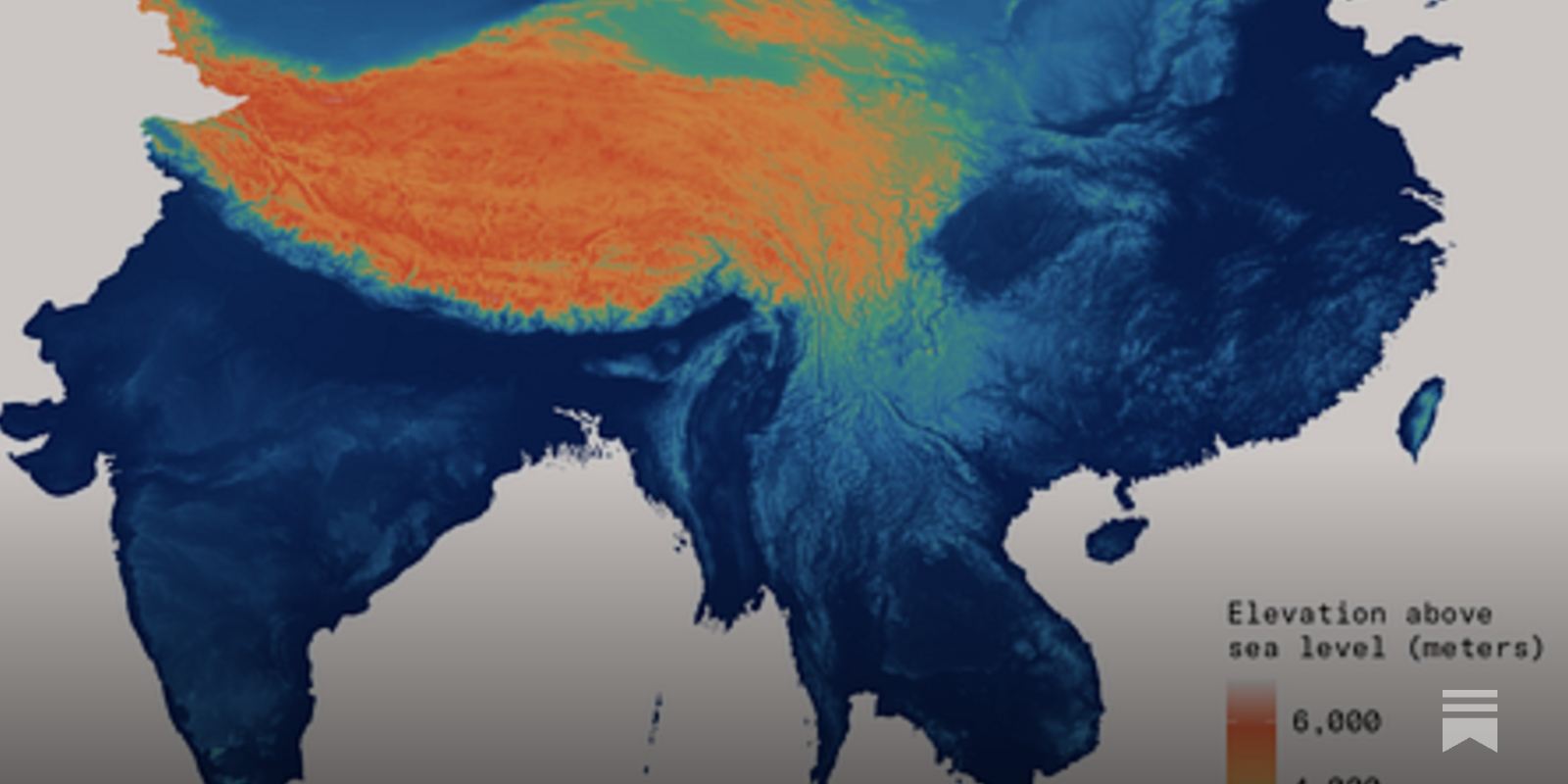
Could desalination make them irrelevant?
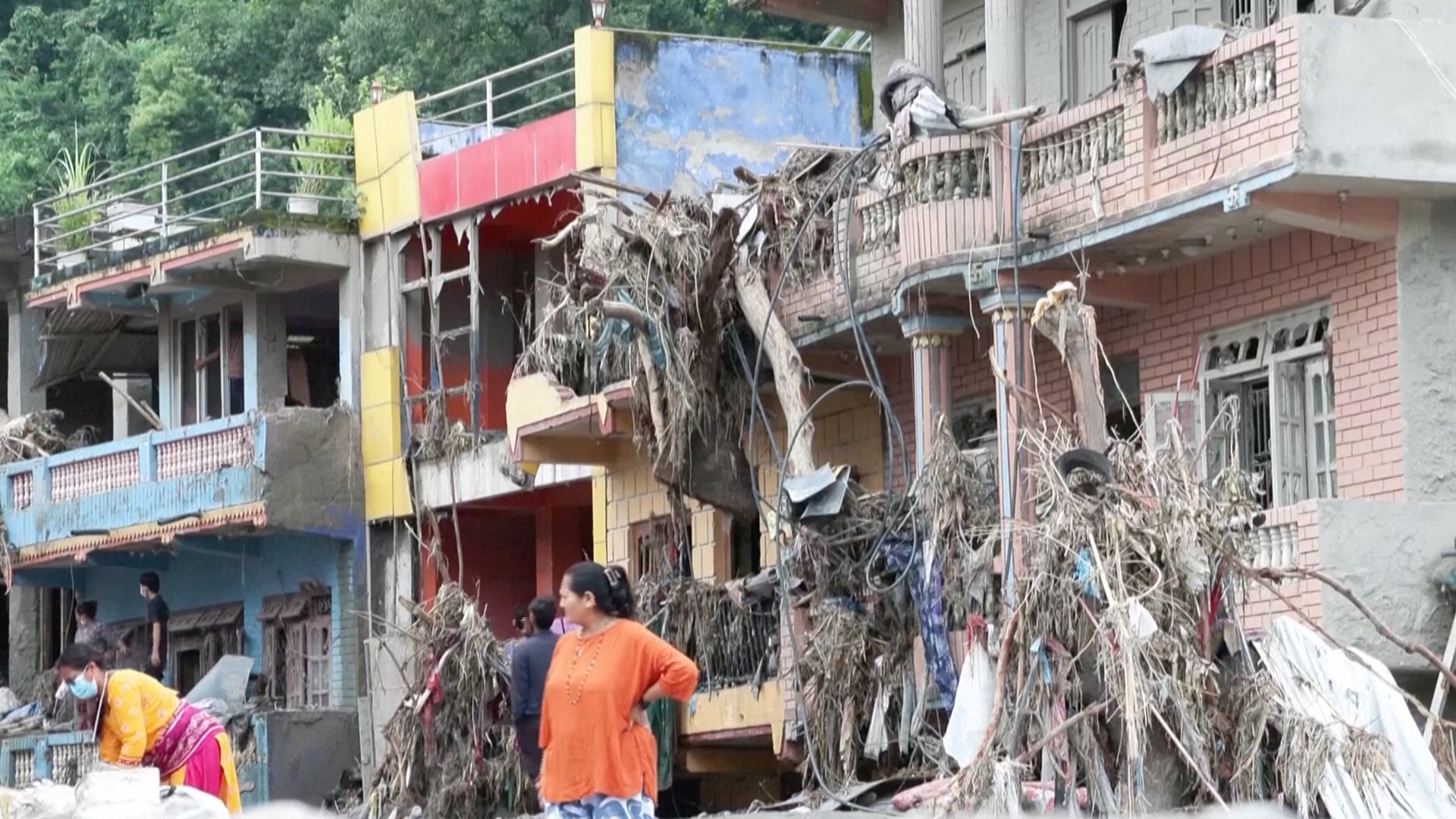
Death toll from devastating floods in Nepal and China surpasses 1,000
Rescue efforts continue to focus on hydropower sites, where hundreds of workers are believed to be trapped.
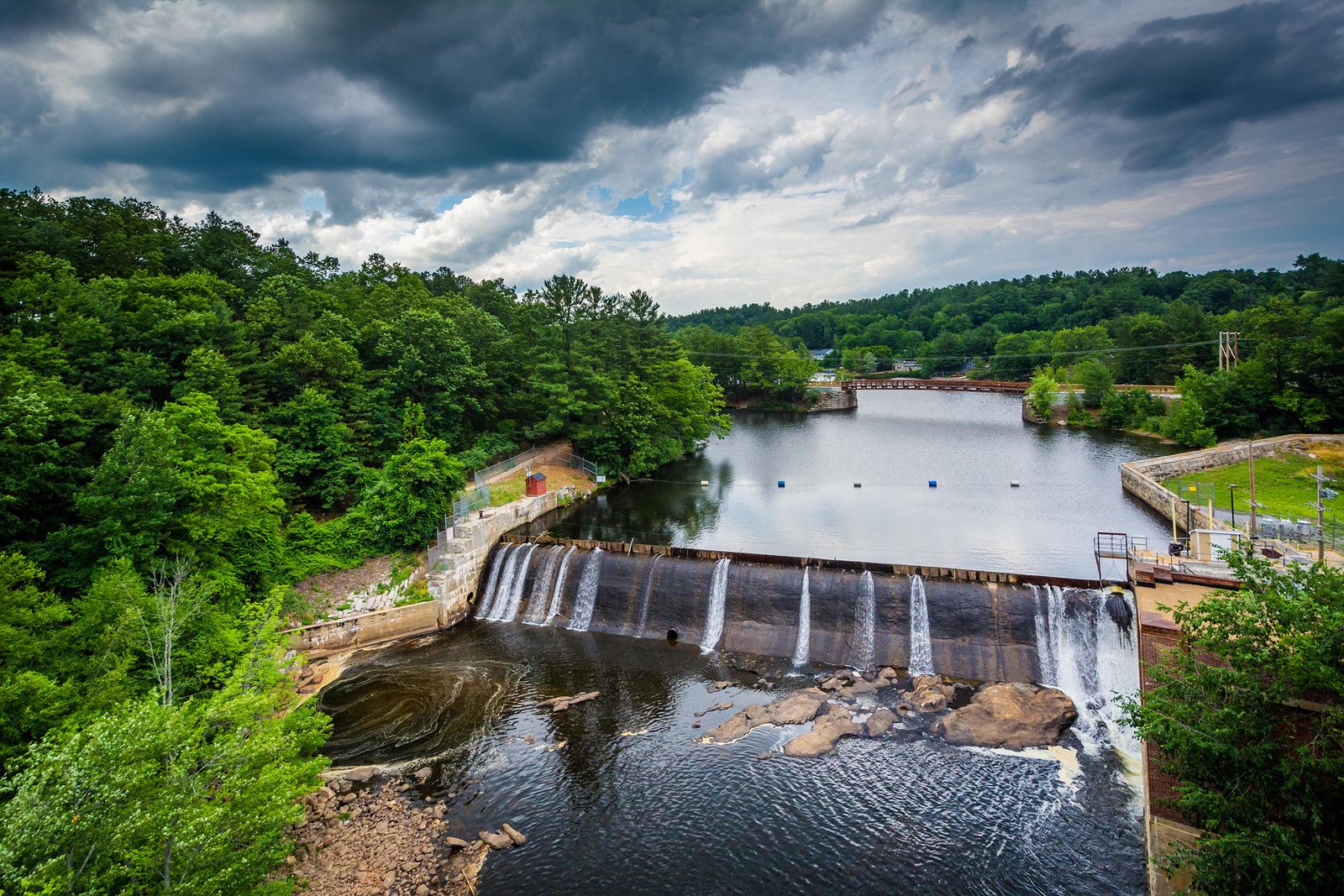
Dam Removals Are Bringing Fish Back Across the Northeastern United States, Striking Down One Tiny Barrier at a Time
While the demolition of big dams in the West gets more attention, many of these often-obsolete obstructions are also coming out of northeastern streams and rivers—and herring are returning in droves
Cleaning up a coal-fired mess
China’s green-industrial complex makes deep decarbonisation possible, but far from inevitable

Why China and Europe should collaborate to ‘defossilize’ the world’s carbon
The world needs non-fossil sources of carbon. It’s a no-brainer for nations working towards this goal to join forces.

The Land That Failed to Fail (Published 2018)
The West was sure the Chinese approach would not work. It just had to wait. It’s still waiting.

Data center guzzled 30 million gallons of water and nobody noticed for months
Can AI save us from the AI industry’s endless thirst for water? Outlook not so good.

China Opens World’s First Wind-Powered Underwater Data Center
With an initial capacity of 24 megawatts, the innovative data center uses seawater as a natural cooling system.

Discover where ancient rivers flow under Canadian cities | CBC News
Ancient rivers once nourished and protected the lands where we built our biggest cities. Now, they’re buried underground. Is it finally time to let them see daylight?

You’re Thinking About AI and Water All Wrong
Fears about AI data centers’ water use have exploded. Experts say the reality is far more complicated than people think.

How data centres are draining water and energy from the Global South
The story started in Georgia, US—not with a law being broken in some faraway place, but with residents noticing something wrong in their own homes: the water pressure kept dropping unusually.

Treatment Processes Reported by US Public Water Systems (2004-2020)
This repository holds records on treatment processes and objectives reported by United States (US) public water systems from 2004-2020. These data were obtained via a Freedom of Information Act request made to the US Environmental Protection Agency in June 2020. Data were reported quarterly. Please refer to the associated publication (Liddie et al., 2026) for additional details on these data. Please cite both this repository and the publication if you use or refer to these data.
Switzerland bolted 5,000 solar panels onto a dam wall 8,000 feet up in the freezing Alps where everyone said solar made no sense, and the plant now makes three times more winter power than any farm down in the valleys
High in the Swiss Alps, on a concrete dam wall more than 8,000 feet above the sea, someone bolted thousands of solar panels to a place almost no one thought

The world’s renewable-energy superpower
China’s moment for climate leadership has arrived

SilentSpringInstitute/ej_ucmr3
Code associated with the UCMR3 paper entitled "Socioeconomic disparities in exposures to PFAS and other unregulated industrial drinking water contaminants in U.S. public water systems"
Balinese “Water Temples” and the Management of Irrigation
Bali has figured prominently in debates on the question of whether irrigation centralizes state power. New evidence shows that irrigation is actually organized by networks of “water temples” that constitute an institutional system separate from the state. Earlier attempts to identify a discrete system of irrigation management misconceived the problem. For most crops, irrigation simply provides water for the plant's roots. But in a Balinese rice terrace, water is used to construct a complex, pulsed artificial ecosystem. Water temples manipulate the states of the system, at ascending levels in regional hierarchies. The permanence of water temple networks contrasts sharply with the instability of the traditional Balinese states. Since the water temples are real, perhaps it is the Balinese “state” that is chimerical.

China’s response to Belt and Road backlash
Many of the accusations serve geopolitical or economic purposes. They are not always logically coherent. Responsibilities of Chinese businesses are confused
