

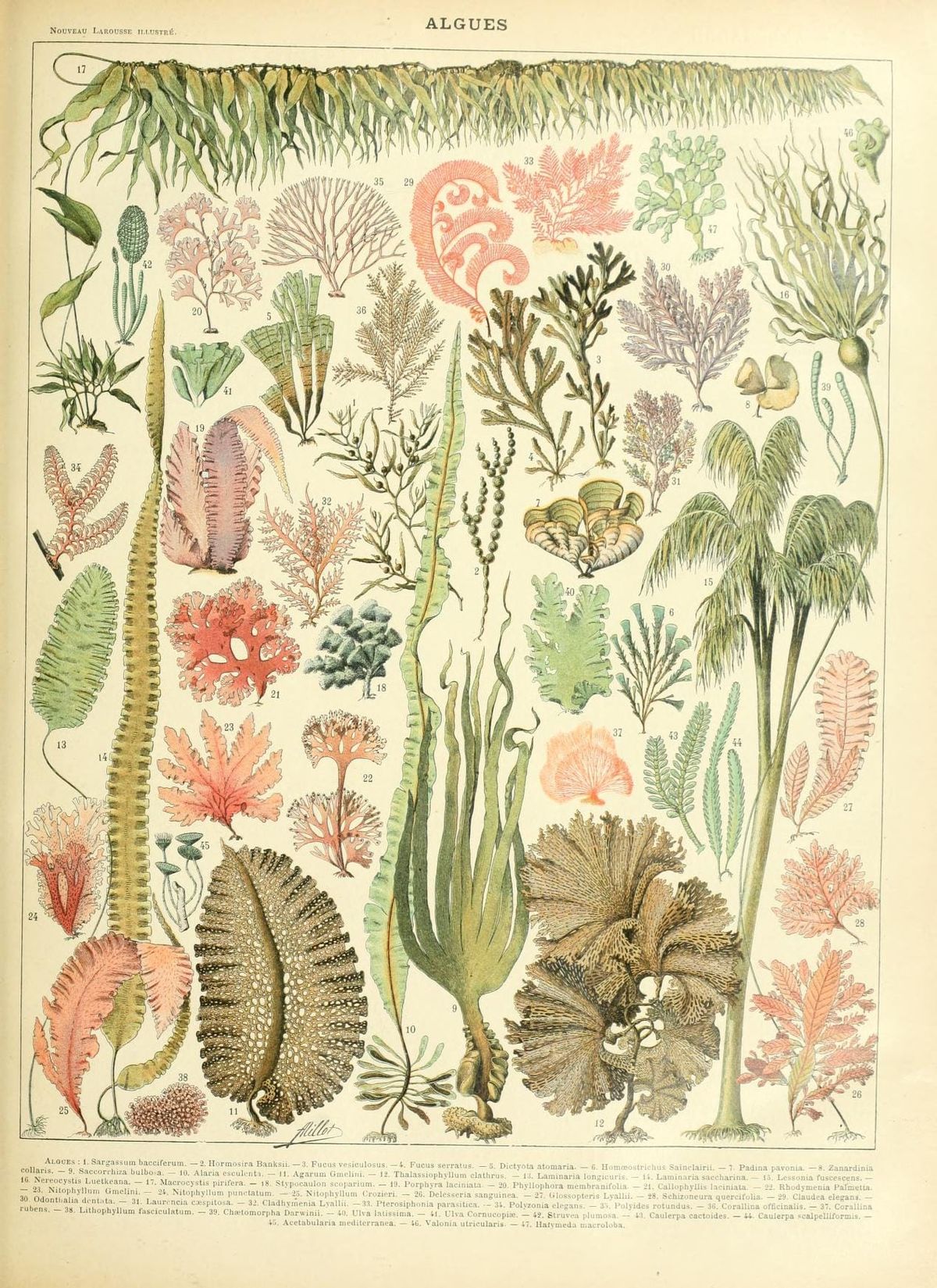
This post introduces the written version of some optimistic and constructive thinking on knowledge in networks that I’ve been wrestling with since the end of last year.
Network of Knowledge | The Paper Pilot
The Paper Pilot's digital garden of thoughts on philosophy, politics, and sociology
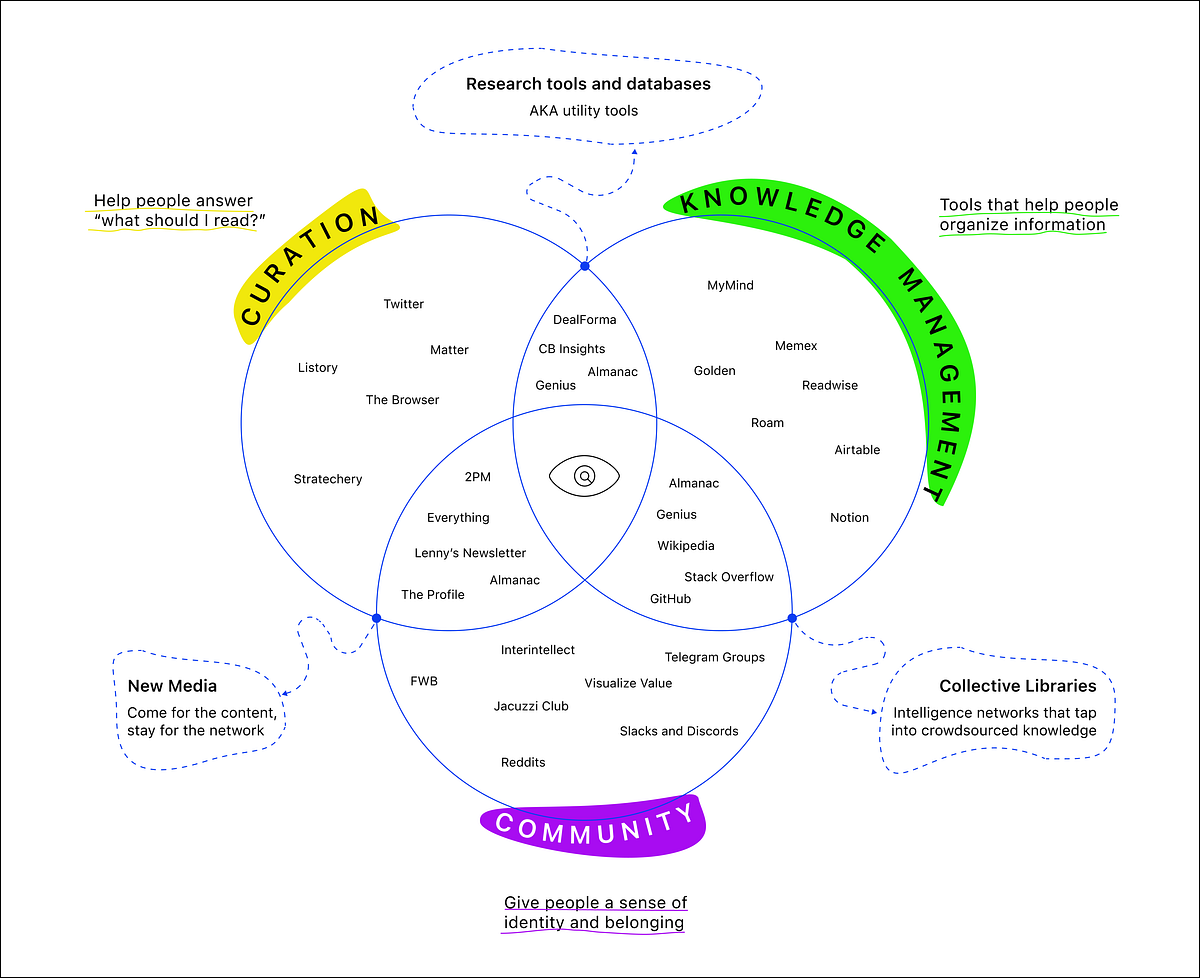
The rise of community-curated knowledge networks
The Internet put thousands of years of human thought at our fingertips, and enabled billions of people to create content. At least 2.5…
This Knowledge Hub | The Paper Pilot
The Paper Pilot's digital garden of thoughts on philosophy, politics, and sociology
Landslide / Holdfast
Notes on what’s happening to our ability to collectively know things, and a look ahead to what this community is especially well positioned to do to support and revitalize our info ecosystems and the humans inside them.

From Social Network to Sense Making
How to beat LinkedIn: The Game
A strategy guide for using a semi-pointless social network in all the wrong ways.

Your intellectual fly is open | The Observation Deck
Note: This was originally published as a LinkedIn post on November 11, 2025. I need to make a painful confession: somehow, LinkedIn has become an important social network to me. This isn’t necessarily due to LinkedIn’s sparkling competence, of course. To the contrary, LinkedIn is the Gerald Ford of social networks: the normal one that was left standing as the Richard Nixons and the Spiro Agnews of social media imploded around them. As with Gerald Ford, with LinkedIn we know that we’re getting something a bit clumsy and boring, but (as with post-Watergate America!), we’re also getting something that isn’t totally crooked — and that’s actually a bit of a relief.
Nuxt | The Paper Pilot
The Paper Pilot's digital garden of thoughts on philosophy, politics, and sociology
Incremental Social | The Paper Pilot
The Paper Pilot's digital garden of thoughts on philosophy, politics, and sociology
Are You in the Simcluster?
A diagnostic, philosophical, and mildly uncomfortable guide to network membership.
Ali Alkhatib: On techno-optimism
I’ve got a longer draft in the works, but I don’t think that’s going to become a blog post, so I figure it might be useful to publish something here and solicit feedback, or just plant a flag in the ground that this was a thing I did. Last week Several weeks ago I gave a talk at Wayne State University titled “the uncanny pessimism of techno-optimism”. In this post I’m going to breeze through some of the stuff I talked about and give a sense of what’ll be coming. Eventually.
Discord Alternatives | The Paper Pilot
The Paper Pilot's digital garden of thoughts on philosophy, politics, and sociology
Chat Glue | The Paper Pilot
The Paper Pilot's digital garden of thoughts on philosophy, politics, and sociology
Been thinking about this all day. What if @sill.social was Stumbleupon, guided by your network instead of randomness? Is this anything?

Rose 🌹
Majority of links are behind paywalls which I get; subscriptions in media are everywhere bc platforms killed distribution. How much traffic data actually translates to reading the article? I open links all the time and then close them bc of the paywall. We are reviving discovery but who’s reading?
