

How do you know you’re making the right bet with your idea? Which bets does the success of your idea hinge on? These are your riskiest assumptions; they need to be tested.
WRKSHP.tools | Job Map Canvas
Thinking about what your customer is trying to achieve as a way to define your value proposition just makes a lot of sense, instinctively. But how do you actually define that elusive Job to be Done? The Job Map Canvas can help!
WRKSHP.tools | Customer Need Canvas
The Customer Need Canvas helps you to make sense of the different needs you have uncovered for your potential customers.
WRKSHP.tools | Risk Reward Matrix
The Risk Reward Matrix helps you to balance Risk and Reward when choosing among options.
People Reject Algorithms in Uncertain Decision Domains Because They Have Diminishing Sensitivity to Forecasting Error
Will people use self-driving cars, virtual doctors, and other algorithmic decision-makers if they outperform humans? The answer depends on the uncertainty inherent in the decision domain. We propose that people have diminishing sensitivity to forecasting error and that this preference results in people favoring riskier (and often worse-performing) decision-making methods, such as human judgment, in inherently uncertain domains. In nine studies ( N = 4,820), we found that (a) people have diminishing sensitivity to each marginal unit of error that a forecast produces, (b) people are less likely to use the best possible algorithm in decision domains that are more unpredictable, (c) people choose between decision-making methods on the basis of the perceived likelihood of those methods producing a near-perfect answer, and (d) people prefer methods that exhibit higher variance in performance (all else being equal). To the extent that investing, medical decision-making, and other domains are inherently uncertain, people may be unwilling to use even the best possible algorithm in those domains.

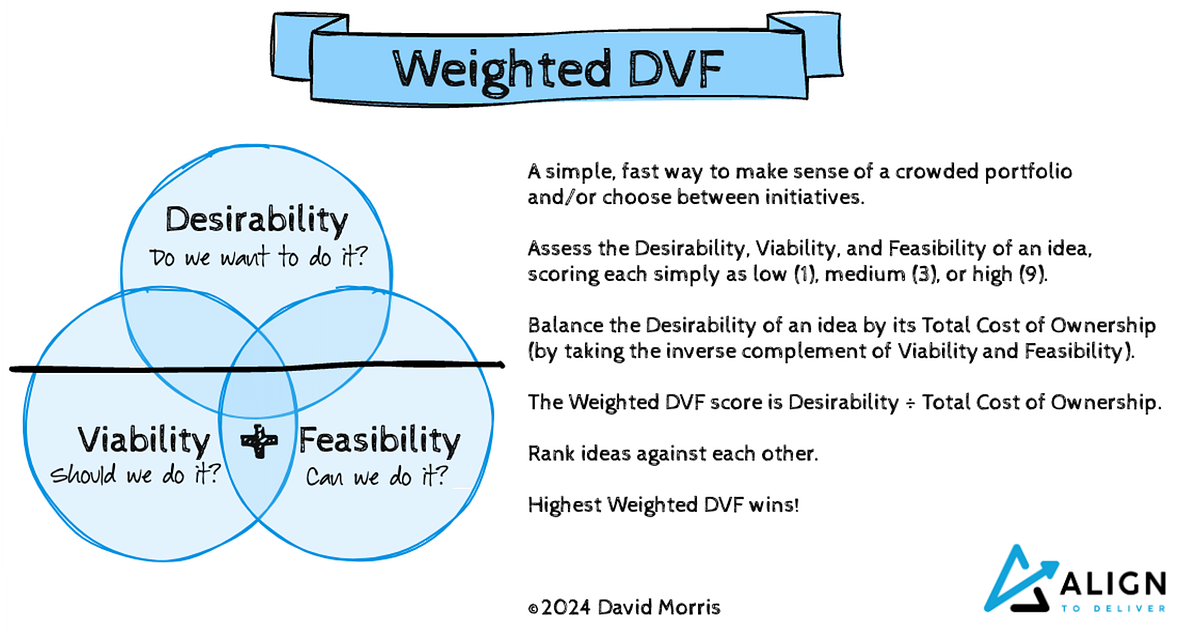
Weighted DVF: A Simple Model for Scoring and Prioritizing Ideas
Discover a powerful yet straightforward approach to evaluating new ideas by balancing desirability, viability, and feasibility. Learn how…
How Bad Entrepreneurs Reveal Themselves in the First 5 Seconds of a Pitch
A few simple words is all it takes to figure out a founder’s odds of startup success.
Counterarguments to the basic AI x-risk case
Sixteen weaknesses in the classic argument for AI risk.

AI Researchers On AI Risk
I first became interested in AI risk back around 2007. At the time, most people’s response to the topic was “Haha, come back when anyone believes this besides random Internet crackpots.…

Cognitive Bias Lab | Learn to Make Better Decisions
Explore cognitive biases with interactive tests, simulations, and real-world examples. Free platform to sharpen decision-making and critical thinking — no sign-up needed.
The Four Big Risks | Silicon Valley Product Group
In the first edition of my book, INSPIRED, I discussed how successful products are valuable, usable and feasible, where I defined “valuable” as both valuable to customers and valuable to your business. While it’s easy to remember these three attributes, over the years I’ve come to believe that it was obscuring some pretty serious risks and...

On technological optimism and technological pragmatism
"There are no guarantees that things are going to turn out very well for anyone.”


Reversing Assumptions Technique — Think Jar Collective
Think Jar Collective contributor and creativity expert Michael Michalko shares a technique to challenge our own assumptions and in the process spark new thinking.

WRKSHP.tools | Trend Canvas
The Trend Canvas helps you map different trends in the world around your business that may impact you in the future.
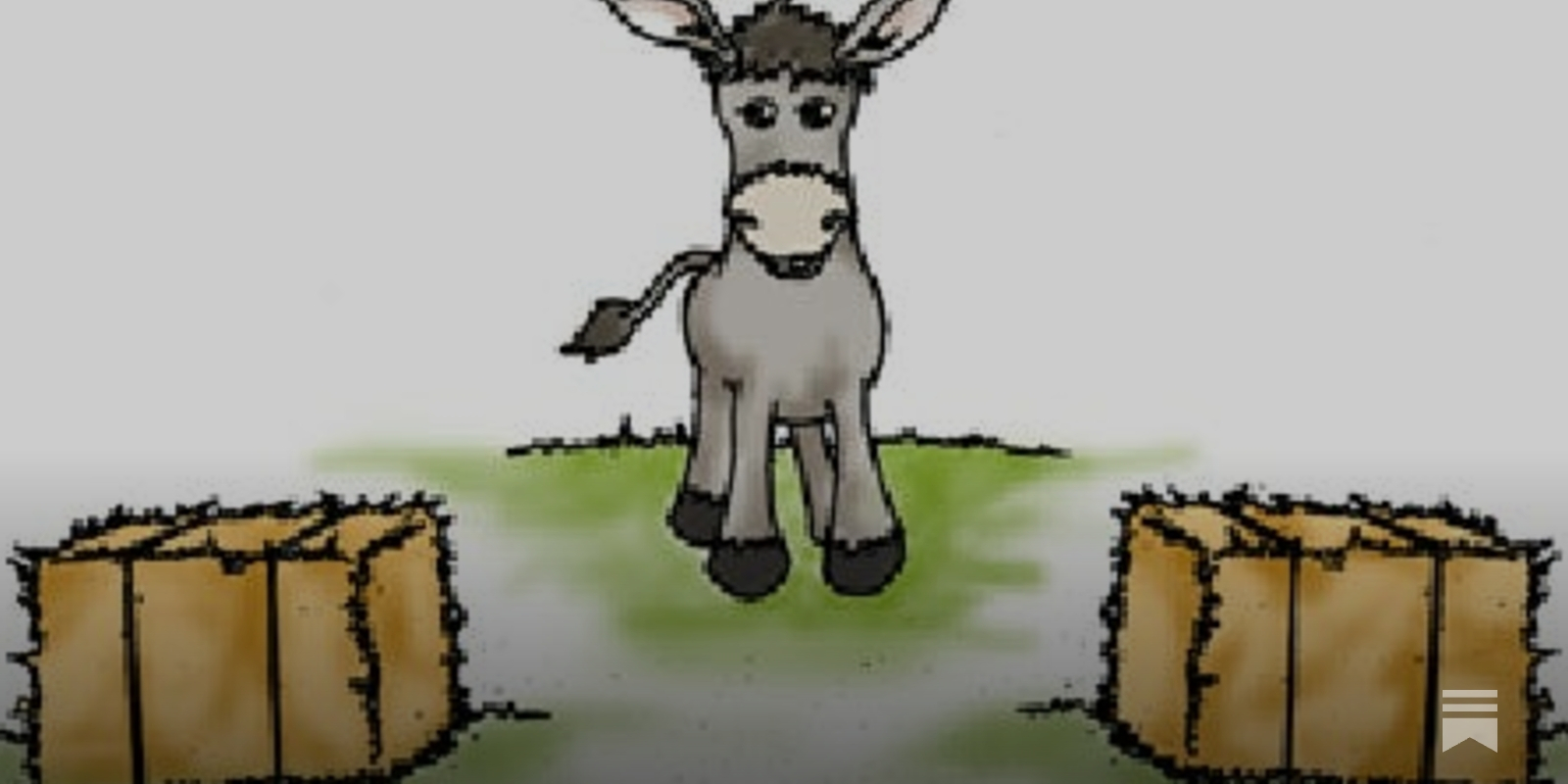
People Spend Too Much Time On Decisions with Equally Satisfying Outcomes
The pitfalls of analysis paralysis
Risk of bias tools - Current version of RoB 2
Current version Download the 22 August 2019 version: The full guidance document. The cribsheet summarizing the tool. A template for completing the assessment. An Excel tool to implement RoB 2 (contains macros; download to your computer before using; some text is slightly out of date). We have
