The jobs gap is also a jobs map: Places that succeed have a critical mass of creativity.
Talent is everywhere, opportunity is not. We are all losing out because of this
The world needs ideas and innovation to make progress. Creative and talented people are everywhere, but the opportunity to develop is limited to only a small number of well-off children. The world loses out as a result.
Creative Technologists are moving from the margins to the center
Once an obscure job title, creative technology is becoming a new way of working, and a core capability inside modern product teams. Soon…

Third Places and Neighborhood Entrepreneurship: Evidence from Starbucks Cafés
Sociologists have shown that “third places” such as neighborhood cafés help people maintain and use their network ties. Do they help local entrepreneurs, for whom networks are important? We examine whether the introduction of Starbucks cafés into U.S. neighborhoods with no coffee shops increased entrepreneurship. When compared to census tracts that were scheduled to receive a Starbucks but did not get one, tracts that received a Starbucks saw an increase in the number of startups of 9.1% to 22.5% (or 2.9 to 6.4 firms) per year, over the subsequent 7 years. A partnership between Starbucks and Magic Johnson focused on underprivileged neighborhoods produced larger effects. Analyses suggest a networks mechanism is at play.

Must Reads: From video game to day job: How ‘SimCity’ inspired a generation of city planners
Jason Baker was studying political science at UC Davis when he got his hands on “SimCity.”

How Townscaper Works: A Story Four Games in the Making
Townscaper, the procedural town-building toy, has been a huge indie success story. I explain how the game can generate towns so easier and gain further insights thanks to my interviewing its creator Oskar Stalberg.
Creative Edinburgh
Creative Edinburgh unites creative thinkers across the city. Through events, career support and advocacy, we bring together and help grow the city’s creative community.
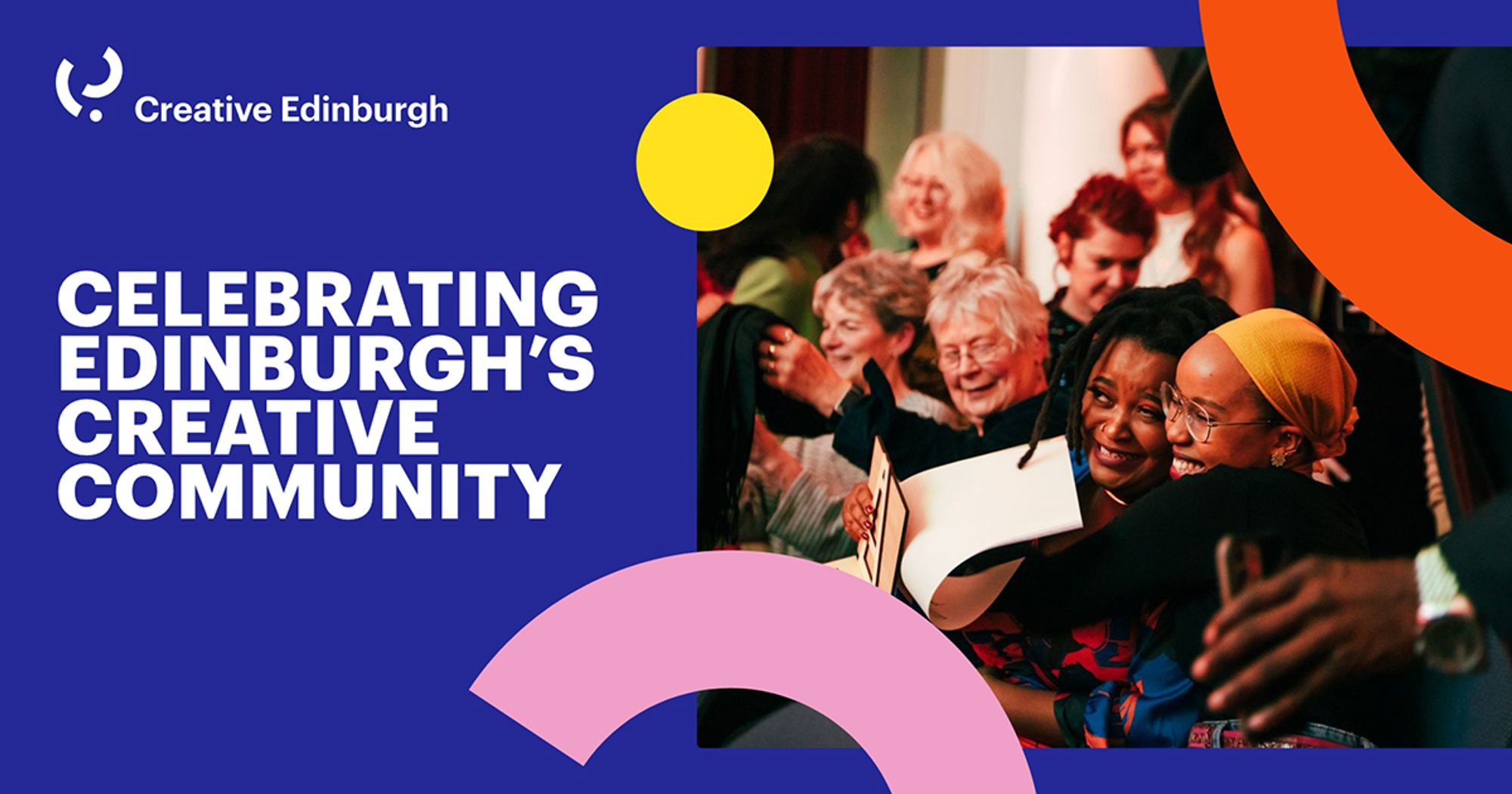
Like start-ups, most intentional communities fail – why? | Aeon Essays
Most utopian communities are, like most start-ups, short-lived. What makes the difference between failure and success?
Opinion | One City Might Have Just Cracked the Housing Crisis
A large real estate development in the middle of Vancouver, British Columbia, shows how cities can build more housing.

a simple (local) solution to the pay gap — wingolog
wingolog: article: a simple (local) solution to the pay gap
Rethinking the Smart City: Democratizing Urban Technology - RLS-NYC
Following the celebration of the “creative city” (as described by Richard Florida), the “smart city” has become the new flavor of the month—and a brand. It makes clever use of resources, and it attracts money, corporate power, and private industries. Offering us cheap, effective solutions to social and political problems, the smart city is functional, […]

Artist Corporations: A groundbreaking structure for creative people
Creative people deserve the same economic advantages as everyone else. So we’re going to build it together.

Downtown is for people | Fortune
If the downtown of tomorrow looks like most of the redevelopment projects being planned for it today, it will end up a monumental bore. But downtown could be made lively and exciting—and it's not hard to find out how.

Enough Debate about the AI Jobpocalypse. We Need To Plan for the Messy Middle.
Caught between arguments of abundance and apocalypse, economist Molly Kinder explores what workers can expect in the near future — and what we can do about it.