A WSJ analysis shows a small number of accounts on Polymarket and Kalshi—often pros using data-driven algorithmic trading—take home most of the winnings.
A Star Investor's Tale of Risk, Ruin & Reinvention w/ Victor Haghani (RWH071)
Predicting outcomes for games of skill by redefining what it means to win
The Elo rating system is a highly successful ranking algorithm for games of skill where, by construction, one team wins and the other loses. A primary limitation of the original Elo algorithm is its inability to predict information beyond a match's win-loss probability. Specifically, the victor is awarded the same point bounty if he beats a team by 1 point or 10 points; only the rating difference between the team and its opponent affects the match bounty. In this work, we explain that Elo ratings and predictions can be naturally extended to include margin-of-victory information by simply redefining "what it means to win." We create ratings for each value of the margin-of-victory and use these ratings to predict the full distribution of point spread outcomes for matches which have not yet been played.


The Danger of Keeping Score | On the Media | WNYC Studios
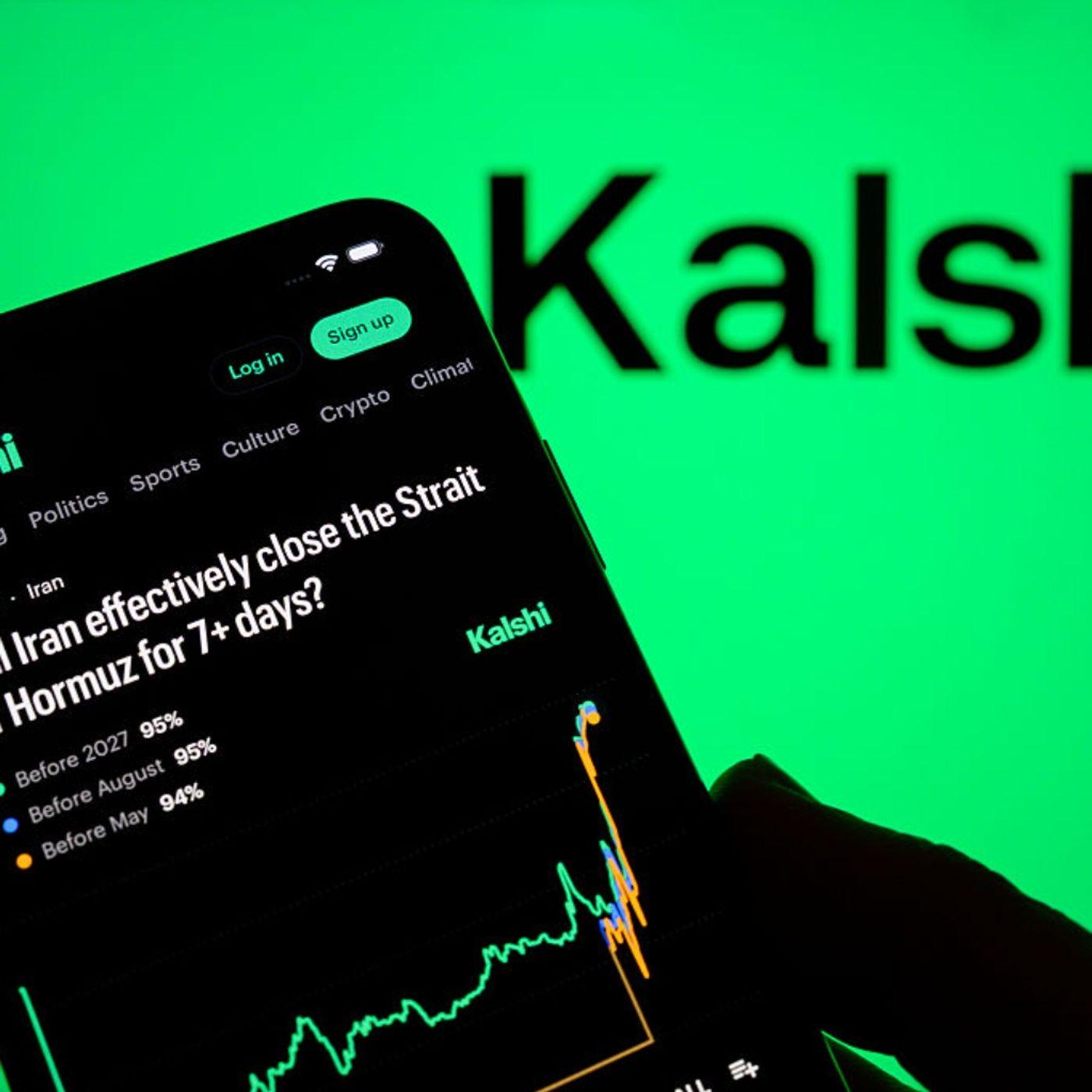
Last Friday, the Washington state Attorney General sued Kalshi, the prediction market platform where users can place bets on real world events, such as the number of deportations this...
US senators urge crackdown on wildfire betting amid warnings of arson risk
Experts say growing trend on sites such as Polymarket and Kalshi could motivate people to start fires to win money

The Machines of Capital
The Machines of Capital As Benjamin Graham famously articulated, in the short run the markets are a voting machine; in the long run the markets are a weighing machine. Price exists in both machines, but the deterministic mechanisms are different. During the voting machine phase, price is a funct...


TradingView — Track All Markets
Where the world charts, chats, and trades markets. We're a supercharged super-charting platform and social network for traders and investors. Free to sign up.

How Our Company Learned to Make Better Predictions About Everything
We all make bets about the future, whether we call them that or not. We select a career based on perceptions about its prospects; we take on projects based on what we think we can accomplish; we hire employees based on how we predict they will perform. We don’t have an option not to make predictions in our work lives, but we do have an option to try and make better ones. At Twitch, employees have worked to create a culture of forecasting based on the research of Philip Tetlock. Although employees were skeptical at first, most have come to embrace the practice of making frequent numerical forecasts.

Meredith Whittaker on Twitter / X
Now that even Goldman, Sequoia, and other major investors are calling it, it's good to remember that the shakiness of the AI market, and the mismatch between capex and ROI, has been clear for a long time to those of us who look closely at the political economy of AI. https://t.co/dLLNAcW5Sn— Meredith Whittaker (@mer__edith) July 30, 2024
From Pill Mills to Prop Bets: Prediction Markets and Mobile Sports Betting Apps Are Fueling America’s Next Addiction Crisis
Against the gamblification of the world.

We are all going to regret Kalshi and Polymarket.
Gambling should be like cigarettes: Legal but inaccessible.

AI Has Ruined the Job Market
Maybe flawed people were better than brute algorithms.