

Section 230 shouldn’t preclude liability for algorithms that push harmful content.
The "Segregate-and-Suppress" Approach to Regulating Child Safety Online
<div> In an effort to protect children online, regulators around the country and the world are enacting laws that compel Internet publishers to age-authenticat

How AI is exacerbating technology-facilitated violence against women and girls
This paper examines how artificial intelligence is accelerating technology-facilitated violence against women and girls—from deepfakes and automated hate to sextortion, impersonation, and large-scale disinformation. It outlines emerging risks, legal and ethical challenges, and opportunities for prevention, while calling for urgent regulation, safety-by-design, and coordinated global action to ensure that AI technologies advance, rather than undermine, women’s rights and safety.

Online Safety Bills Are Fueling a New Wave of Internet Censorship
State and federal bills seek to limit minors’ access to social media, but civil liberties advocates warn that the resulting online censorship threatens constitutional rights without delivering real safety.

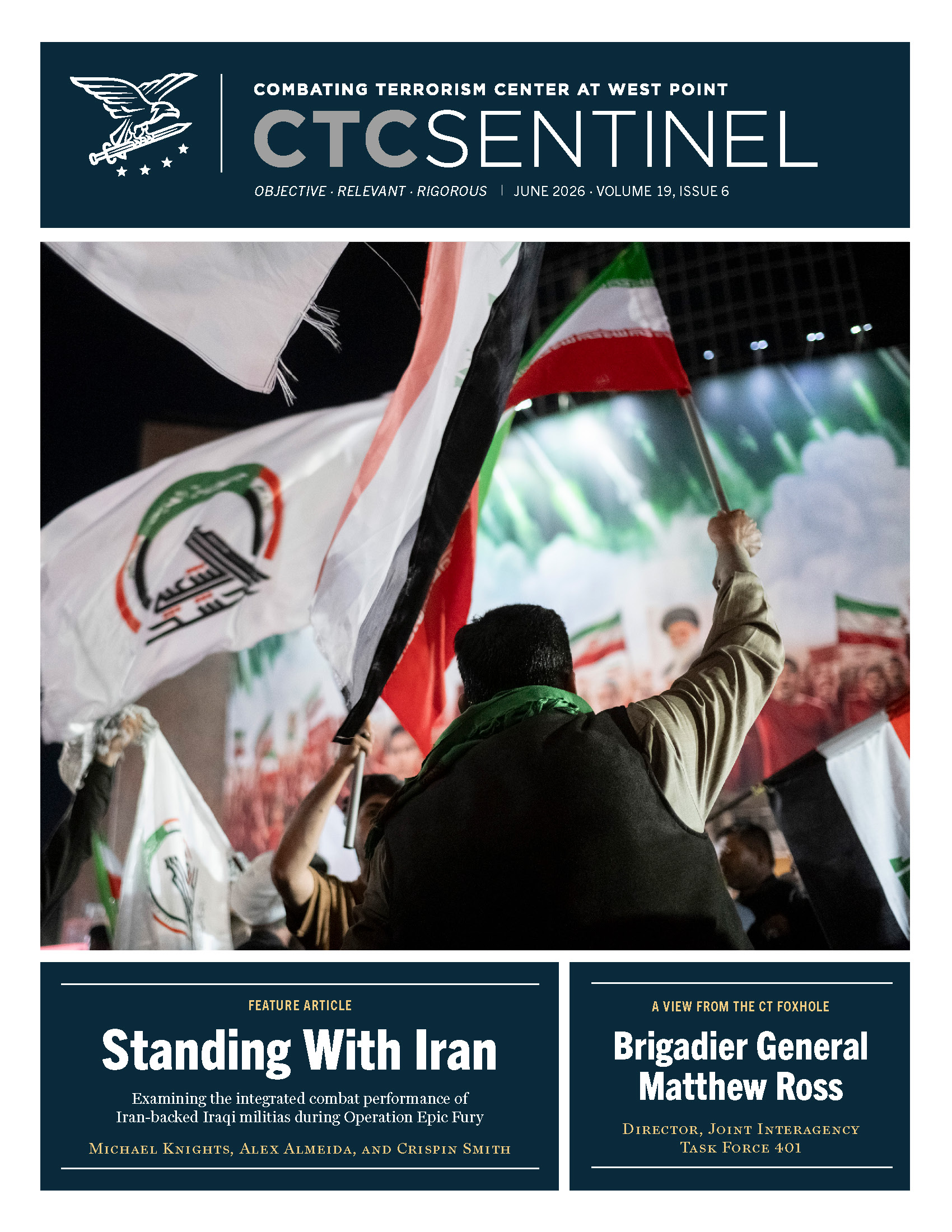
Remotely Coerced Violence: 764, The Com Network, and the Hybridization of Threats - Combating Terrorism Center at West Point
Abstract: This article examines 764 and the wider Com Network as a case study in remotely coerced violence and the hybridization of contemporary terrorist and violent extremist threats. It argues that nihilistic violent extremism is best understood as a victim-driven, youth-centered online ecosystem in which status, belonging, and identity are earned through the production, circulation, … Continued
The Algorithmic Management of Polarization and Violence on Social Media
Access the PDF version of this essay by clicking the icon to the right.
Supreme Court Halts Federal Limits on Social Media Algorithm Regulation
U.S. Supreme Court Blocks Online Transparency and Fairness Act On October 1, 2024, the U.S. Supreme Court issued a critical emergency injunction that effectively halted the enforcement of the Online…

14 Theses on Online Political Violence
The old world of content safety practices is dead, and the new one is struggling to be born.
AI-powered online abuse: How AI is amplifying violence against women and what can stop it | UN Women – Headquarters
AI is turning online spaces into new frontiers of abuse. Feminist and tech experts, Laura Bates and Paola Gálvez-Callirgos, explain how it happens and how we fight back.

CURTIS, KELLY INTRODUCE ALGORITHM ACCOUNTABILITY ACT
Senators Curtis and Kelly introduced legislation to modernize online protections and hold social media companies accountable for harms caused by content pushed by their algorithmic feeds. The bill, the Algorithm Accountability Act, amends Section 230 of the Communications Decency Act of 1996 to impose a duty of care on the companies that utilize recommendation-based algorithms.
Online Safety Amendment (Social Media Minimum Age) Act 2024
The Online Safety Amendment Act 2024 is an Australian act of parliament that prohibits minors under the age of 16 from holding an account on certain social media platforms. It is an amendment to the Online Safety Act 2021 and was passed by the Parliament of Australia on 29 November 2024. It imposes monetary penalties on social media companies that fail to take reasonable steps to prevent minors under 16 that are located in Australia from having accounts on their services.

Bias, Skew, and Search Engines Are Sufficient to Explain Online Toxicity
U.S. political discourse seems to have fissioned into discrete bubbles, each reflecting its own distorted image of the world. Many blame machine-learning algorithms that purportedly maximize “engagement”—serving up content that keeps YouTube or Facebook users watching videos or scrolling through their feeds—for radicalizing users or strengthening their partisanship. Sociologist Shoshana Zuboff15 even argues that “surveillance capitalism” uses optimized algorithmic feedback for “automated behavioral modification” at scale, writing the “music” that users then “dance” to.

Bias, Skew, and Search Engines Are Sufficient to Explain Online Toxicity
U.S. political discourse seems to have fissioned into discrete bubbles, each reflecting its own distorted image of the world. Many blame machine-learning algorithms that purportedly maximize “engagement”—serving up content that keeps YouTube or Facebook users watching videos or scrolling through their feeds—for radicalizing users or strengthening their partisanship. Sociologist Shoshana Zuboff15 even argues that “surveillance capitalism” uses optimized algorithmic feedback for “automated behavioral modification” at scale, writing the “music” that users then “dance” to.

Resist ‘dangerous and socially unacceptable’ age checks for social media, scientists warn
Computer scientists are campaigning against the global march toward age checks online.

Frontiers | Cyber-mobbing, technology-facilitated abuse and online violence
This article collection will explore the pressing issues of cyber-mobbing, technology-facilitated abuse and online violence, including online abuse, stalking...

Four Functional Quadrants for Trust & Safety Tools: Detection, Investigation, Review & Enforcement (DIRE) <div> <br> </div>
Public discourse and regulatory debates about online trust and safety have long been dominated by a focus on rules, not tools: preoccupied mostly by the questio