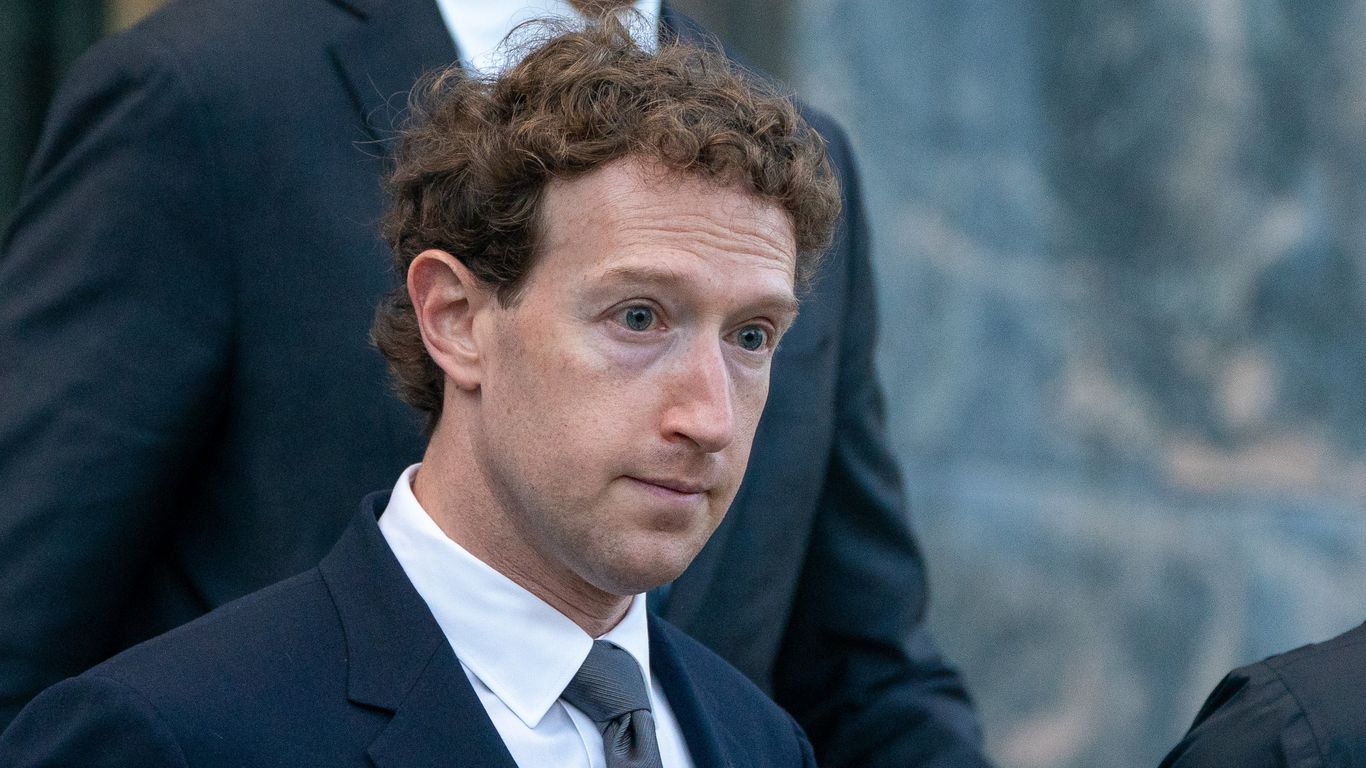
Meta funneled $2B through nonprofit shells to push age verification laws targeting Apple and Google while exempting its own platforms from surveillance requirements.
Meta Just Paid Nearly $17 Billion To Make Sure It Gets To Write The Kid Safety Rules For Every Other Social Media Platform
By now you’ve almost certainly heard the news that Meta has settled with 52 state and local Attorneys General who had sued the company in some form or another over child safety on Meta’…

Mass. court hears lawsuit alleging Meta designed apps to be addictive to kids
The lawsuit alleges that Meta did this to make a profit and that its actions affected hundreds of thousands of teenagers in Massachusetts.
Meta told to pay $375m for misleading users over child safety
archived 24 Mar 2026 23:46:25 UTC
Mad at Meta? Don't Let Them Collect and Monetize Your Personal Data
If you’re fed up with Meta right now, you’re not alone. Meta tracks you across millions of websites and apps and its business model relies on your data. If you want to limit Meta’s ability to collect

Privacy concerns with Facebook
Facebook and other services by Meta Platforms (doing business as Meta) have faced a number of privacy concerns. These stem partly from the company's revenue model that involves selling information collected about its users for many things including advertisement targeting. Meta has also been a part of many data breaches that have occurred within the company. These issues and others are further described including user data concerns, vulnerabilities in the company's platform, investigations by pressure groups and government agencies, and even issues with students. In addition, employers and other organizations/individuals have been known to use Meta for their own purposes. As a result, individuals' identities and private information have sometimes been compromised without their permission. In response to these growing privacy concerns, some pressure groups and government agencies have increasingly asserted the users' right to privacy and to be able to control their personal data.
Social media companies are fighting the 'age verification trap' as collecting biometrics on kids violates privacy rights | Fortune
Big Social is reaching its Big Tobacco moment as it regulations intensify and social media companies look to implement age verification methods on its platforms.

Meta must face youth addiction lawsuit by Massachusetts, court rules
The decision follows a landmark trial in which a jury found Meta and Google negligent for designing social media platforms that are harmful to young people.

Meta tolerates rampant ad fraud from China to safeguard billions in revenue
Meta avoids cracking down on the scams to minimize "revenue impact."

Meta is earning a fortune on a deluge of fraudulent ads, documents show
Meta projected 10% of its 2024 revenue would come from ads for scams and banned goods.

Meta failed to protect social media users from scam ads, lawsuit alleges
The Consumer Federation of America accused Meta of allowing scam advertisements to "proliferate on its platforms."
Meta Faces Lawsuit Over Gambling Scam Ads on Facebook, Instagram - iGamingToday.com - News, insights and Slots review
The Consumer Federation of America has taken Meta to court, accusing the company of misleading users about how it tackles fraudulent advertising on Facebook and Instagram. Filed in Washington, DC, the lawsuit claims Meta’s handling of scam ads, including scam gambling sites, violates local consumer protection laws. Unlike scams that rely on direct contact with […]

Age verification is coming for the internet — and it’s already raising red flags
Legislative efforts to age-gate parts of the internet are gaining traction. Some experts warn of compliance complications and data security breaches.

Meta must face Massachusetts lawsuit over youth social media addiction, court rules
State’s top court alleges company deliberately designed features of platforms like Instagram to addict young users

Meta Ramps Up Efforts to Disrupt Industrialized Scamming
Meta removed 10.9 million Facebook and Instagram accounts linked to “criminal scam centers” last year, the company announced on Wednesday.

Statement: Meta Latest Big Tech Company to Back KOSA, exposing hypocrisy of "accountability" bill
Yesterday, Meta dropped its opposition to KOSA after reports that it is being packaged by the White House with AI preemption and the App Store Accountability Act, two bills that Meta has lobbied for. Meta now joins Microsoft, Apple, X, Snap, and Pinterest in supporting KOSA, while much of civil society and the city of […]
Scoop: Meta removes ads for social media addiction litigation
This comes just two weeks after Meta and YouTube were found negligent in a landmark case about social media addiction.