


Keeping up with COVID-19 vaccines can be a daunting task. To help people keep up, Yale Medicine mapped out a comparison of the most prominent ones.
The effectiveness of COVID-19 vaccine in the prevention of post-COVID conditions: a systematic literature review and meta-analysis of the latest research
Objective:We performed a systematic literature review and meta-analysis on the effectiveness of coronavirus disease 2019 (COVID-19) vaccination against post-COVID conditions (long COVID) among fully vaccinated individuals.Design:Systematic literature review/meta-analysis.Methods:We searched PubMed, Cumulative Index to Nursing and Allied Health, EMBASE, Cochrane Central Register of Controlled Trials, Scopus, and Web of Science from December 1, 2019, to June 2, 2023, for studies evaluating the COVID-19 vaccine effectiveness (VE) against post-COVID conditions among fully vaccinated individuals who received two doses of COVID-19 vaccine. A post-COVID condition was defined as any symptom that was present four or more weeks after COVID-19 infection. We calculated the pooled diagnostic odds ratio (DOR) (95% confidence interval) for post-COVID conditions between fully vaccinated and unvaccinated individuals. Vaccine effectiveness was estimated as 100% x (1-DOR).Results:Thirty-two studies with 775,931 individuals evaluated the effect of vaccination on post-COVID conditions, of which, twenty-four studies were included in the meta-analysis. The pooled DOR for post-COVID conditions among fully vaccinated individuals was 0.680 (95% CI: 0.523–0.885) with an estimated VE of 32.0% (11.5%–47.7%). Vaccine effectiveness was 36.9% (23.1%–48.2%) among those who received two doses of COVID-19 vaccine before COVID-19 infection and 68.7% (64.7%–72.2%) among those who received three doses before COVID-19 infection. The stratified analysis demonstrated no protection against post-COVID conditions among those who received COVID-19 vaccination after COVID-19 infection.Conclusions:Receiving a complete COVID-19 vaccination prior to contracting the virus resulted in a significant reduction in post-COVID conditions throughout the study period, including during the Omicron era. Vaccine effectiveness demonstrated an increase when supplementary doses were administered.

COVID-19 Vaccine Effectiveness and Safety for the 2026-2027 Respiratory Season
Importance SARS-CoV-2 remains a substantial cause of respiratory illness, morbidity, and mortality. Evidence to date has demonstrated that COVID-19 vaccines reduce the risk of severe disease, including hospitalization and death. Objective This systematic review identifies and summarizes newly published studies reporting on the effectiveness and safety of COVID-19 vaccines and COVID-19 epidemiology in the US. Evidence Review Cochrane Central Register of Controlled Trials, PubMed/MEDLINE, Embase, and Scopus were searched from August 1, 2025, through June 29, 2026. Studies were eligible if they reported on the effectiveness, efficacy, or safety of a US-licensed COVID-19 vaccine or SARS-CoV-2 epidemiology in the US. Findings From 11 829 identified references, 155 publications were eligible (15 randomized clinical trials, 84 observational studies with a comparator group, 38 product safety studies without a comparator group [single group], and 18 descriptive studies of disease burden). Consistent with prior evidence, studies reported that updated COVID-19 vaccines were associated with a reduction in the risk of hospitalization among both older adults (≥65 years; vaccine effectiveness [VE], 53.0%; 95% CI, 37.0%-65.0%; 2025-2026 season) and adults (18-64 years; VE, 54.0%; 95% CI, 1.0%-78.0%; 2024-2025 season). Maternal vaccination was associated with reduced risk of COVID-19–associated emergency department/urgent care encounters among individuals vaccinated (VE, 58.0%; 95% CI, 24.0%-77.0%) and with fewer COVID-19–related hospital contacts in the first 2 months of life among infants born subsequently (VE range, 50.0%-54.0%), regardless of trimester of vaccination. Vaccination was also associated with a significant reduction in COVID-19–related pediatric emergency department visits (9 months to 4 years; VE, 76.0%; 95% CI, 58.0%-87.0%). Vaccination was associated with a reduced risk of critical COVID-19 illness (intensive care unit admission or death) in immunocompromised adults (VE range, 32.0%-53.0%, depending on condition and other factors). Health care personnel who received 3 to 5 vaccine doses were less likely to develop laboratory-confirmed COVID-19 illness (VE, 41.0%; 95% CI, 34.0%-47.0%) and postacute COVID-19 symptoms (VE, 57.0%; 95% CI, 46.0%-66.0%) compared with those who received only 2 doses. Across adverse events of special interest (eg, stroke, thrombosis, myocarditis), safety profiles were consistent with those of previous reviews. No identified studies conducted under the updated guidance on extended dosing intervals for the primary series reported an increased risk of myocarditis or pericarditis. No new safety signals were reported in the recently published studies eligible for this updated review of US-licensed COVID-19 vaccines. Conclusions and Relevance COVID-19 vaccines were consistently associated with a reduction in the risk of hospitalization and other outcomes, including among individuals at high risk of severe COVID-19, such as infants, and those who were pregnant. No new safety concerns were identified.

Vaccination Dramatically Lowers Long COVID Risk
Several new studies reveal that getting multiple COVID vaccine doses provides strong protection against lingering symptoms
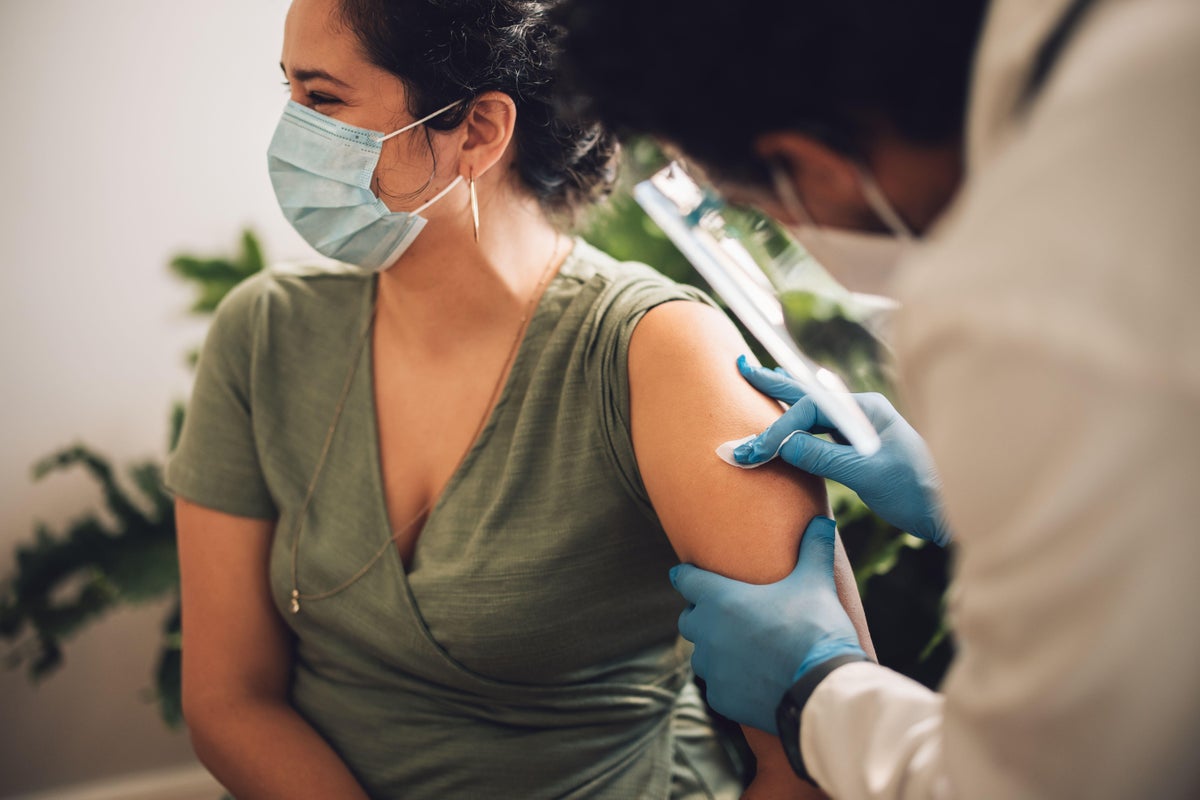
COVID-19 Vaccine Effectiveness and Safety for the 2026-2027 Respiratory Season
This Special Communication aims to identify and summarize the most recently published evidence evaluating the effectiveness and safety of US-licensed COVID-19 vaccines and report on the epidemiology of SARS-CoV-2 in the US.
COVID-19 #CoronaVirus Infographic Datapack — Information is Beautiful
Updated daily, now with global vaccination stats

Yale School of Public Health - COVID-19 and Immune System Impacts
What to Know About New Covid Vaccines for Fall 2026
The shots have been approved for people 65 and older, and for younger people with underlying conditions. Others may be able to get them off label.

COVID-19 Vaccines Aren’t Causing AIDS
The truth behind a new preprint from a team at Yale

Long COVID: How COVID-19 may lead to vicious viral cycle
COVID-19 was linked to the reactivation of several dormant viruses in unvaccinated people, a new study has found. One of the reactivated viruses was also linked to long COVID.
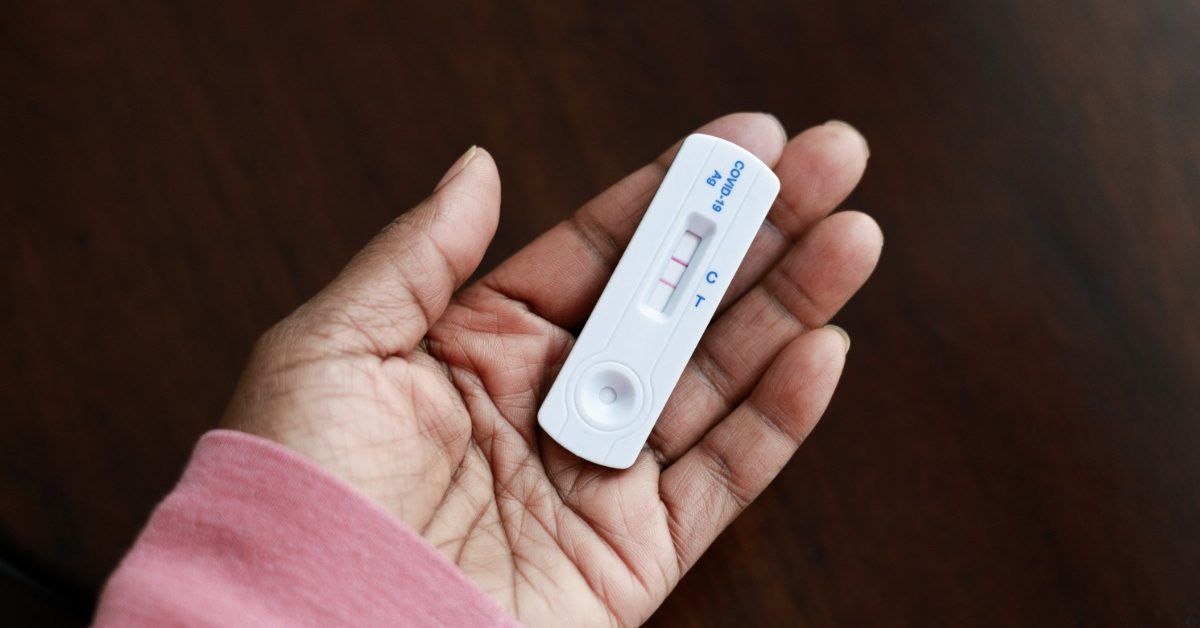
If we don’t change course, most people in the U.S. will have some flavor of Long COVID of one sort or another — Belshaw Brain Archive
For the past few years, I've been on the list of 'vulnerable' people who get a free booster Covid vaccine due to my asthma. That's no longer the case, but Covid is still around, and mutating
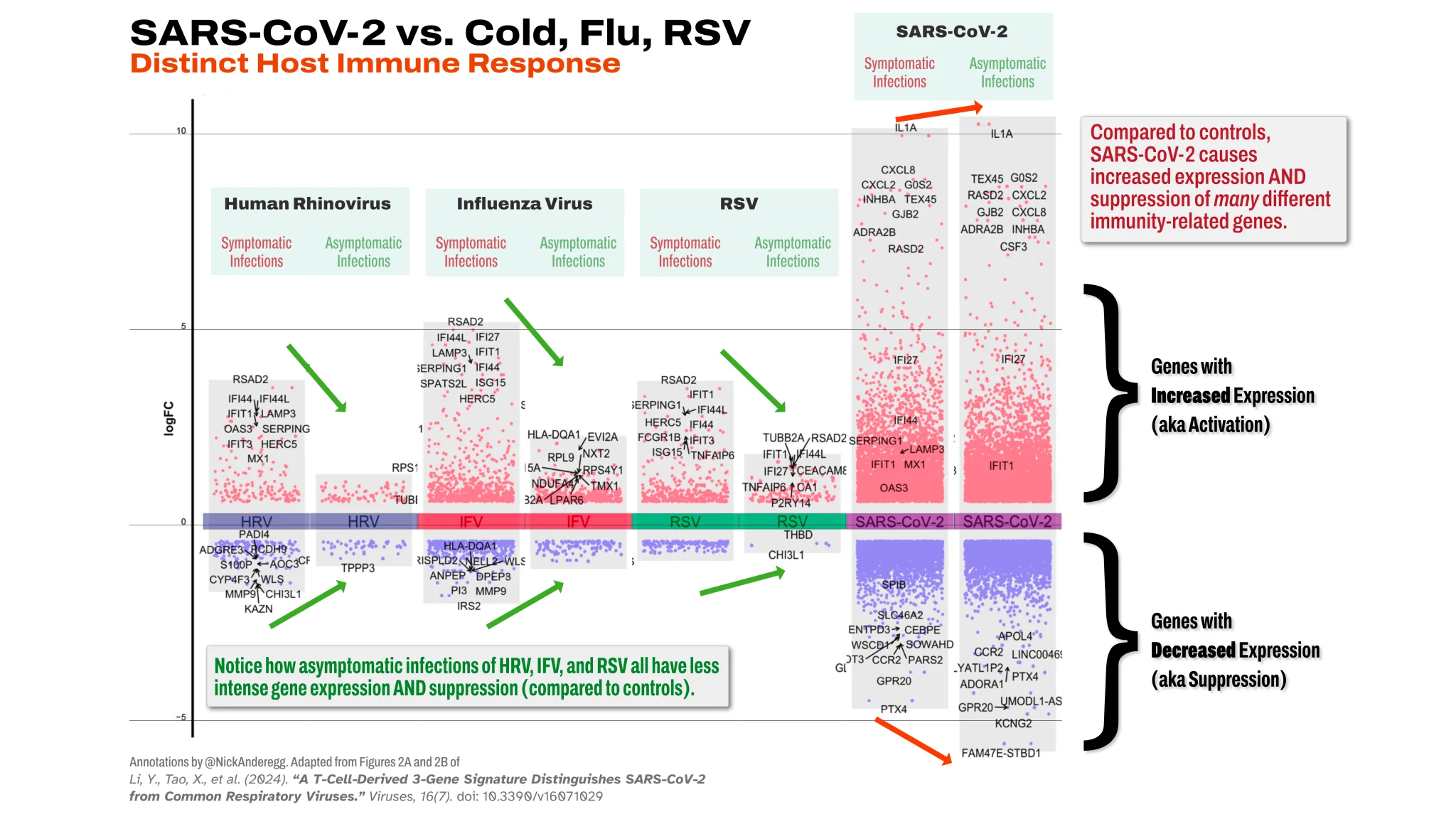
GUESS WHAT?! A new study has shown SARS-CoV-2 infection is DISTINCT from common respiratory viruses! Unequivocally, COVID is NOT "just a cold." These findings are HUGELY significant, for multiple reasons! Here's a breakdown of the study (writt
GUESS WHAT?! A new study has shown SARS-CoV-2 infection is DISTINCT from common respiratory viruses!Unequivocally, COVID is NOT "just a cold."These findings are HUGELY significant, for multiple reasons! Here's a breakdown of the study (written for a general audience)...1/16 pic.twitter.com/P7NJL2STJQ— Nick #RespiratorsFilterAllPathogens😷 Anderegg (@NickAnderegg) July 7, 2024
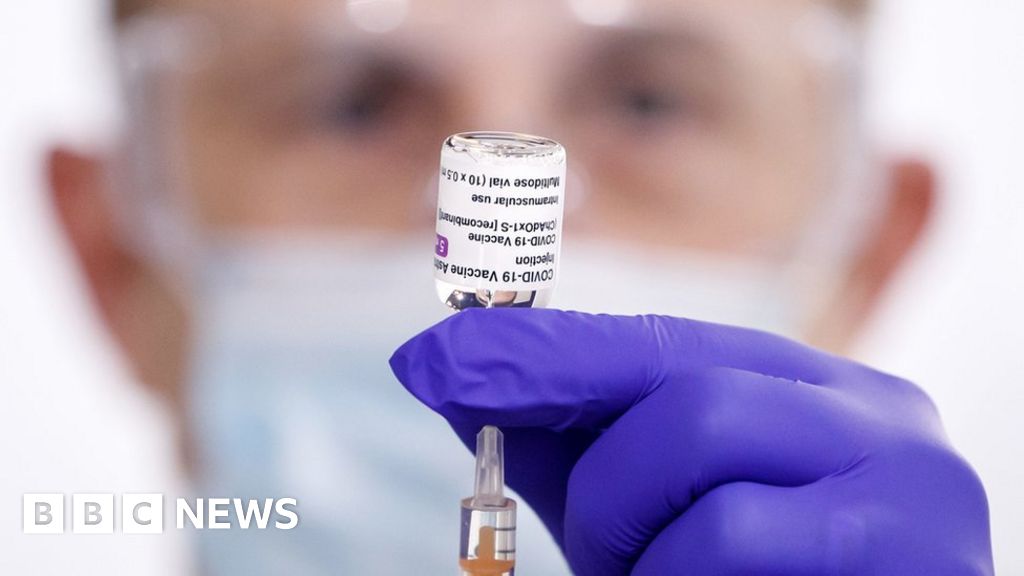
The 300-year journey to the covid vaccine: From inoculation to RNA
The history of immunization technology is a quest to achieve immunity with ever-more safety and ever-fewer side effects
Mixing Covid jabs has good immune response, study finds
Any combination of Pfizer or AstraZeneca for first and second doses works, a study suggests.
Long Covid Studies - Possible long COVID treatments
See all researched treatments for long COVID, along with evidence summaries.
Archive: New COVID-19 ‘Citizen Science’ Initiative Lets Any Adult with a Smartphone Help to Fight Coronavirus
The online study would try to help researchers gain insight into how the virus is spreading and identify ways to predict and reduce the number of new infections.

COVID-19 vaccines

Primarily information in the US and Japan
COVID-19 Vaccine Effectiveness and Safety for the 2026-2027 Respiratory Season
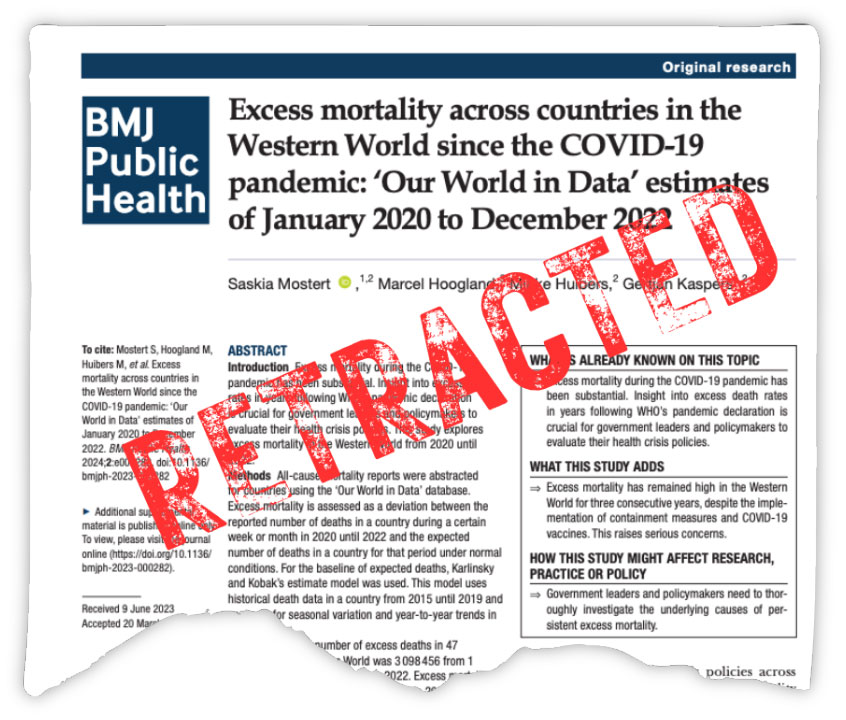
BMJ Group retracts paper on COVID-19 vaccines and mortality featured in Senate hearing
What to Know About New Covid Vaccines for Fall 2026
Underlying Conditions and the Higher Risk for Severe COVID-19