Getting cheated on is a hurt like no other, so why do people do it? Here are the results of a study and a possible explanation for why people cheat on the ones they love, and the tragic way cheating fundamentally changes someone's brain.
People Are Sharing "Cheat Codes" For Everyday Life And, TBH, They're Brilliant
Up, up, down, down, BE KIND TO PEOPLE, left, right, left, right.
Cheating Is Encouraged
Straight from the mouths of the legends of the Silver and Black, Cheating Is Encouraged recapitulates the many as infamous stories from the last team to play...

Cheating in the Lab Predicts Fraud in the Field: An Experiment in Public Transportation
We conduct an artefactual field experiment using a diversified sample of passengers of public transportation to study attitudes toward dishonesty. We find that the diversity of behavior in terms of (dis)honesty in laboratory tasks and in the field correlate. Moreover, individuals who have just been fined in the field behave more honestly in the lab than the other fare dodgers, except when context is introduced. Overall, we show that simple tests of dishonesty in the lab can predict moral firmness in life, although fraudsters who care about social image cheat less when behavior can be verified ex post by the experimenter. Data and the online appendix are available at https://doi.org/10.1287/mnsc.2016.2616 . This paper was accepted by Uri Gneezy, behavioral economics.

Common Causes of Very Bad Decisions
Italian psychologist Massimo Piattelli-Palmarini was once asked why people keep making the same mistakes.
The Cognitive Debt of Digging Through Preprints
Your Brain on MIT Media Lab
AI Use at Work Is Causing “Brain Fry,” Researchers Find, Especially Among High Performers
The increased speed and multitasking that AI allows at work is leading to many workers experiencing "brain fry," a new study found.
Study Finds AI Use Eats Away at Users’ Confidence in Their Own Brains
A new study out of Middlesex University argues that the ultimate effects on an AI users' brain come down to how they use it.
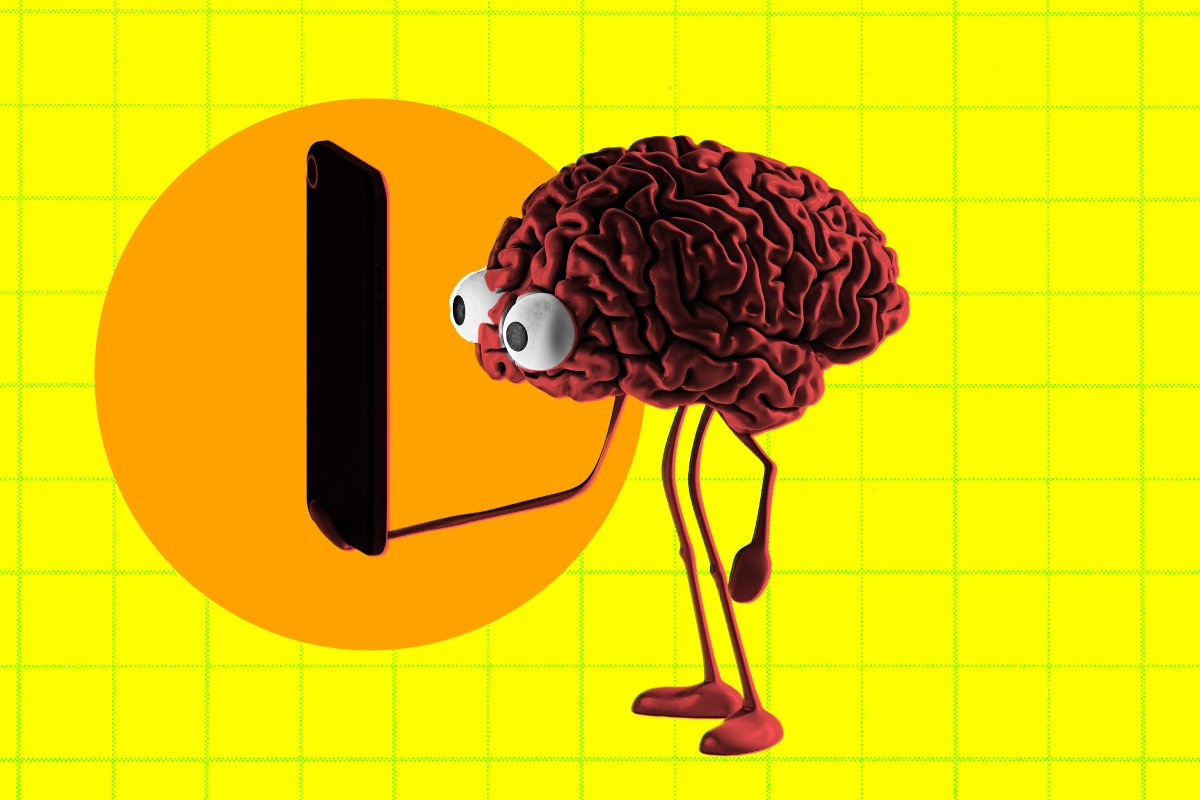
What the Studies Say About How AI Affects Your Brain: A (Very Big) Compilation
The entire literature clearly points to a single surprising finding
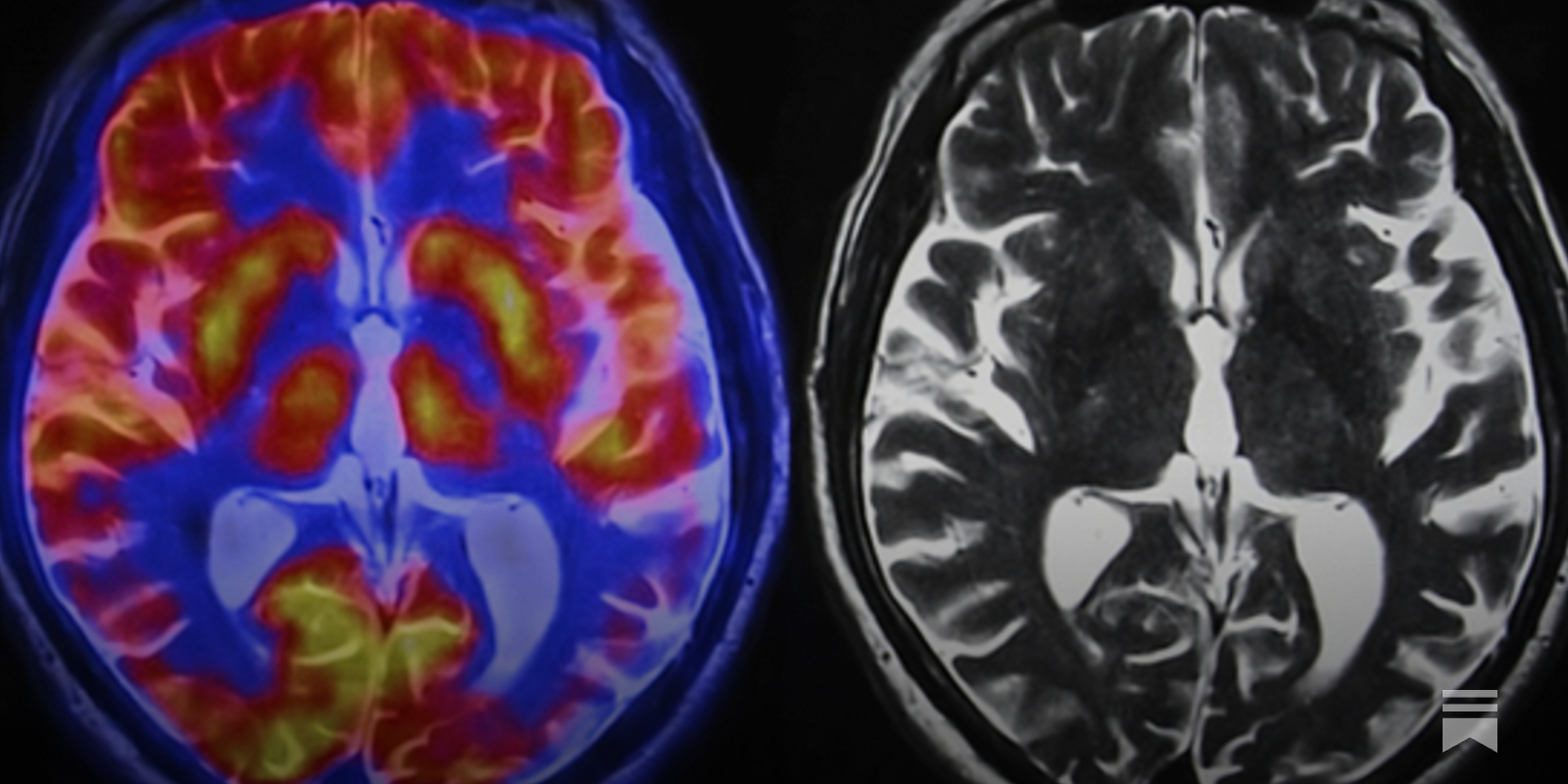
Trump Told Supporters To “Cheat Like Hell.” The NY Times Went With “A Bit Tired Of Politics.”
By now it’s old hat to point out that the mainstream media bends over backwards to pretend that Donald Trump is a “normal” president. The number of times you could point to the co…

Cheating is all you need
There is something legendary and historic happening in software engineering, right now as we speak, and yet most of you don't realize at all how big it is.

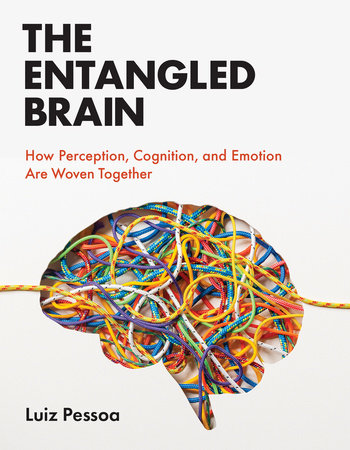
The Entangled Brain: How Perception, Cognition, and Emotion Are Woven Together
A new vision of the brain as a fully integrated, networked organ.Popular neuroscience accounts often focus on specific mind-brain aspects like addiction, c
Aging Out of Fucks: The Neuroscience of Why You Suddenly Can’t Pretend Anymore
Your brain's middle finger to people-pleasing

AI overuse could spark "brain fry," new research finds
The mental strain associated with AI carries "significant costs," researchers find.
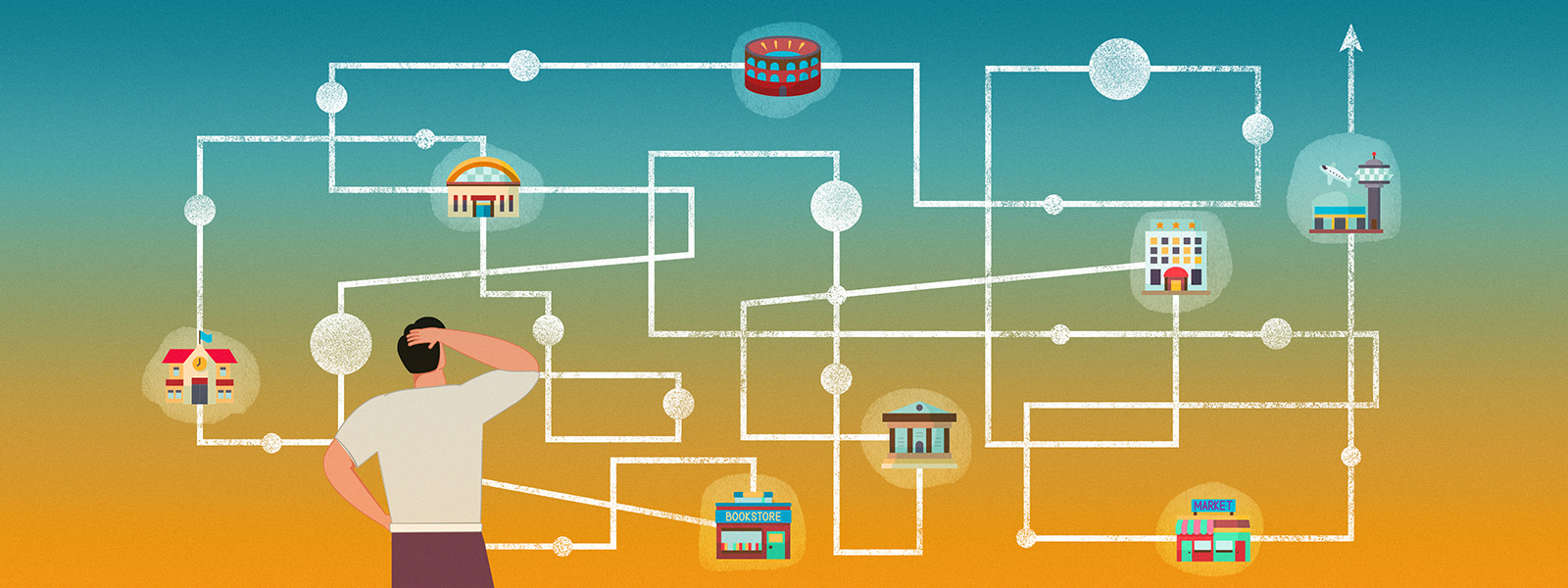
Why do some people always get lost?
Research suggests that experience may matter more than innate ability when it comes to a sense of direction
Brainrot: Deskilling and Addiction are Overlooked AI Risks | Proceedings of the 2026 ACM Conference on Fairness, Accountability, and Transparency
As part of the Digital Library's transition to Open Access, new features for researchers are available in the Premium Edition. Click here to learn more.

Scientists identify a crucial brain feature connecting genetics to intelligence
A team of neuroscientists has uncovered evidence that genetic influences on intelligence may operate through the density of brain wiring, highlighting a potential biological bridge between inherited DNA differences and the brain structures that support reasoning and problem-solving.