


KOSA & the KIDS Act harm vulnerable teenagers by cutting them off from online communities & support systems, & could be used to censor LGBTQ content for minors.
Stop KOSA
KOSA is a censorship bill that won’t make kids safe. Instead, it'll put all internet users at risk, especially youth. If you believe in a free and open internet, tell your lawmakers to reject #KOSA!
The Kids Online Safety Act Will Make the Internet Worse for Everyone
Lawmakers who support KOSA today are choosing to trust the current administration, and future administrations, to define what youth—and to some degree, all of us—should be allowed to read online.
Kids Online Safety Act
The Kids Online Safety and Privacy Act (KOSPA), known in the House, in some Senate versions, and commonly in the general public as the Kids Online Safety Act (KOSA), is proposed legislation in the United States first introduced in the Senate in 2022. The bill aims to establish guidelines to protect minors from harmful material on social media platforms through a duty of care system and requiring covered platforms to disable "addicting" design features to minors.
The Harms of Social Media Restrictions and Bans for Minors
How Age-Based Social Media Bans and Restrictions can Negatively impact Youth. The Benefits of Social Media for Youth - Education, Activism & Creating Community
KOSA isn't designed to help kids.
Congress is using kids to hold Big Tech accountable. Kids will get hurt in the process. Moving forward, we need to center youth.
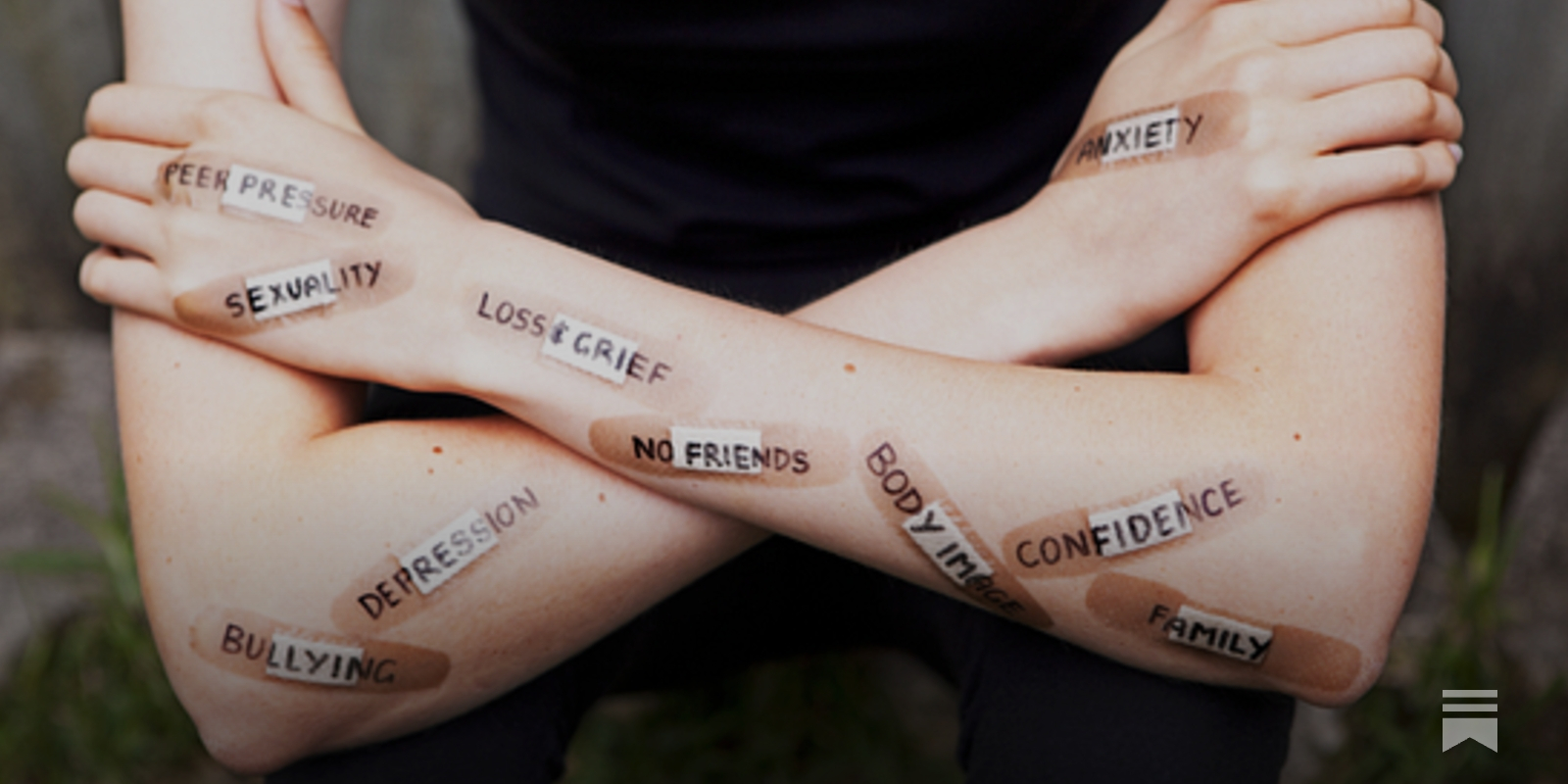
KOSA, the KIDS Act, AI, Bad Internet Bills, and a potential giveaway to big tech (UPDATED)
Just say no to bills that age restrict, censor, and surveil the internet!
The "Segregate-and-Suppress" Approach to Regulating Child Safety Online
<div> In an effort to protect children online, regulators around the country and the world are enacting laws that compel Internet publishers to age-authenticat

Social Media Bans & Restrictions for Minors: Laws & Policies
State Laws restricting minors on social media. Social media platforms restricting minors. Harms of Social Media bans for minors. Benefits of social media for youth
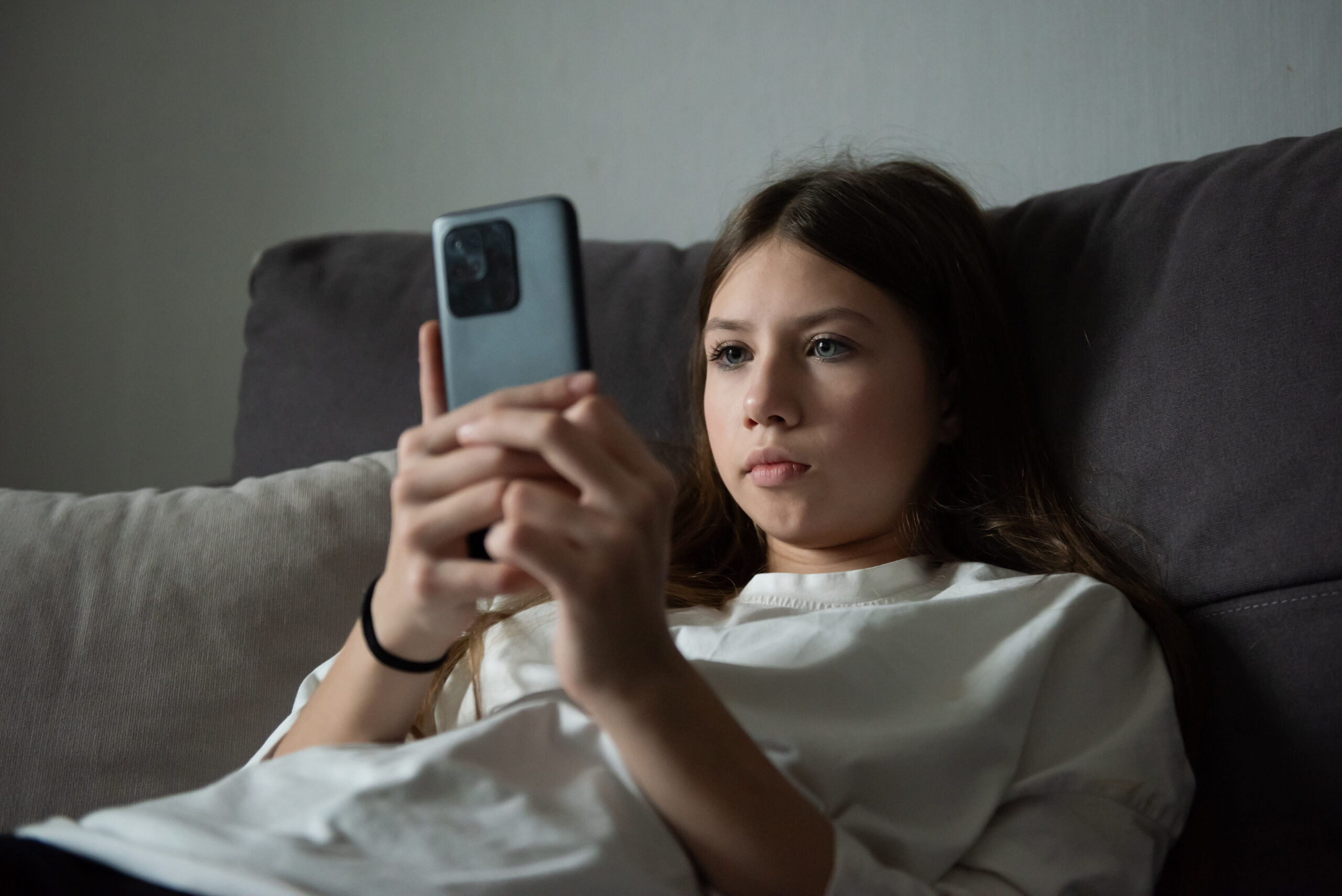
Debate: Social media in children and young people – time for a ban? Weighing up the implications and limitations of age-based social media restrictions
Recent legislation in Australia banning social media accounts for children under 16, alongside similar proposals worldwide, has ignited debate about whether age-based restrictions are an effective way to protect young people's mental health. While the intent of such bans is to reduce exposure to harmful content, their feasibility and effectiveness remain unclear. Enforcement requires robust age verification, often relying on sensitive data such as government-issued identification or facial scans, which raises privacy concerns and can be circumvented through the use of VPNs. Moreover, social media use is diverse. Although it can intensify harms such as bullying, it also provides vital opportunities for connection and support, particularly for marginalised adolescents. Removing access to accounts may limit risks within platforms, but does not prevent exposure to harmful content elsewhere, nor does it guarantee increased offline engagement. Importantly, blanket bans fail to address unsafe design features embedded within social media or to equip adolescents with the skills needed to navigate online environments. More targeted, evidence-based regulation that promotes safer platform design and accountability may provide a more effective pathway to protecting young people's well-being.

Age-Verification Laws Seek to Erase LGBTQ+ Identity from the Internet
Age-verification laws are weaponized to censor LGBTQ+ and abortion-related content online under the guise of protecting children from porn.

Online Safety Bills Are Fueling a New Wave of Internet Censorship
State and federal bills seek to limit minors’ access to social media, but civil liberties advocates warn that the resulting online censorship threatens constitutional rights without delivering real safety.
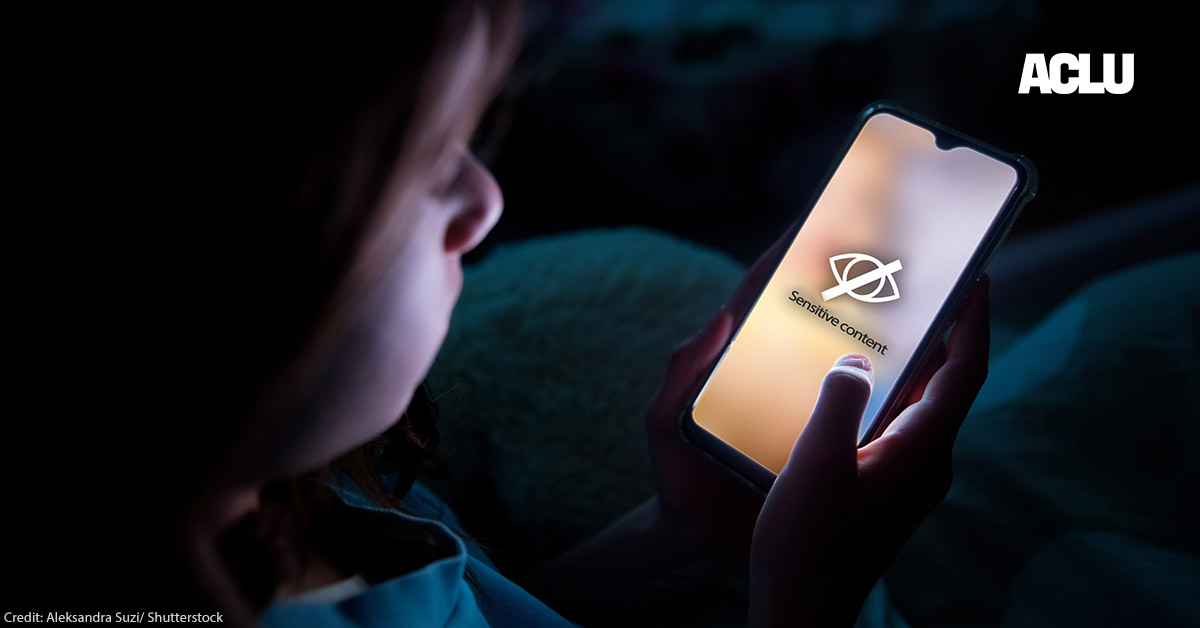
Everything You Wanted to Know About a Kids' Social Media Ban (But Were Rightly Afraid to Ask): A FAQ on Age Verification and Mandated ID for Everyone - Michael Geist
The government is expected to table the Digital Safety Act on Wednesday with reports that it will include a ban on social media for those under 16, framed as a “temporary” measure that platforms can exit once a new digital regulator certifies their safety standards. I have been writing about these issues, from the original Online Harms Act to mandated age verification and website blocking and now the kids’ ban, for several years. This FAQ gathers the analysis in one place, with links throughout to the longer pieces for anyone who wants to go deeper. The key takeaway is that a kids' social media ban is an ineffective and harmful policy that raises privacy concerns for tens of millions of Canadians through mandated age verification requirements. The policy fails to address the underlying concerns with social media and the prospect of a "temporary" ban makes little sense since the requirement might be reversible, but the data collection and regulatory infrastructure are permanent.
Home | Protecting Kids Online
Our mission is to protect children and defend parental rights by equipping families and citizens with the tools to keep kids safe online. We oppose government surveillance disguised as child safety legislation and seek to build an informed, independent parent-led coalition to #ProtectKidsOnline.

The KIDS Act Would Require Age Checks To Get Online
Buried inside the KIDS Act are provisions that will push online services to verify all users’ ages, require government-directed moderation policies for online speech, and even create new rules about
'cause teenagers are smart enough to run their own atproto AppViews, I've seen them do it So... if teenagers aren't allowed to do social media on atproto, you must censor relays, you have no other technical mechanism I guess we just keep repeating the lie that app-level censorship matters 🤷♂️
The main changes that will happen is due to regulators being intensively focused on ‘protecting the children’. So more labels on adult content and more divisions between people who identify as minors and people posting adult content. They continue to add to the list - gov.uk/government/news/new-laws-to-t…

New laws to target online abuse and pornography
www.gov.uk
