

At the 1984 Macintosh introduction at the Boston Computer Society, an audience member asks about a $1,000 student price for schools outside Apple’s university consortium. Steve Jobs jokes, “No, because we’d go broke,” then talks about finding “creative solutions” since most students cannot afford a $2,500 computer. Today, education pricing feels normal. Hearing this question asked directly to Jobs is a reminder of how public and conversational this moment in tech history could be. Did questions like this help shape what came next? We can’t say for sure, but it is fun to hear the pressure points in real time.
'The Drama' and the microgenerational digital divide
PLUS: The "forklift model" of A.I. education

» Apple, Carmen Sandiego, and the Rise of Edutainment The Digital Antiquarian
If there was any one application that was the favorite amongst early boosters of personal computing, it was education. Indeed, it could sometimes be difficult to find one of those digital utopianists who was willing to prioritize anything else — unsurprisingly, given that so much early PC culture grew out of places like The People’s Computer Company, who made “knowledge is power” their de facto mantra and talked of teaching people about computers and using computers to teach with equal countercultural fervor. Creative Computing, the first monthly magazine dedicated to personal computing, grew out of that idealistic milieu, founded by an educational consultant who filled a big chunk of its pages with plans, schemes, and dreams for computers as tools for democratizing, improving, and just making schooling more fun. A few years later, when Apple started selling the II, they pushed it hard as the learning computer, making deals with the influential likes of the Minnesota Educational Consortium (MECC) of Oregon Trail fame that gave the machine a luster none of its competitors could touch. For much of the adult public, who may have had their first exposure to a PC when they visited a child’s classroom, the Apple II became synonymous with the PC, which was in turn almost synonymous with education in the days before IBM turned it into a business machine. We can still see the effect today: when journalists and advertisers look for an easy story of innovation to which to compare some new gadget, it’s always the Apple II they choose, not the TRS-80 or Commodore PET. And the iconic image of an Apple II in the public’s imagination remains a group of children gathered around it in a classroom.
Exclusive | U.S. Weighs $100,000 Fee for Foreign Students Wanting to Work After Graduation
The proposed policy would particularly affect Silicon Valley, Wall Street and universities.

Andrew Yeung on Twitter / X
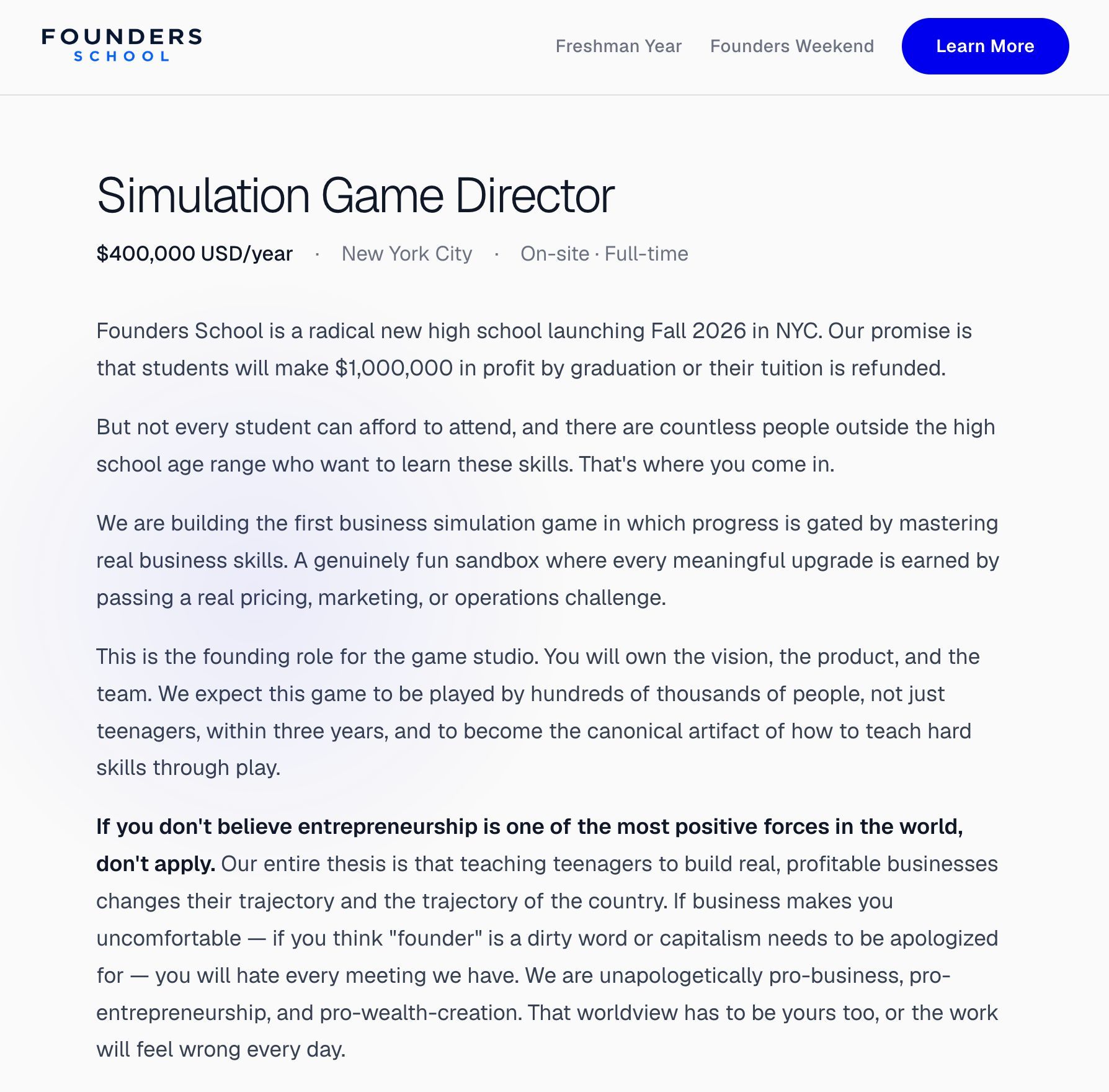
Holy crap. This is possibly the most insane job posting I've seen.Founders School is hiring a "Simulation Game Director" for $400,000 a year. That's just the base salary.If you haven't heard of Founders School, they're a radical new high school launching in New York City this… pic.twitter.com/sYjJZGkGA9— Andrew Yeung (@andruyeung) July 27, 2026
The most brilliant move in corporate history?
In a bold departure from its Big Tech peers, Apple sidestepped the $650 billion AI infrastructure spending frenzy, a move likened to opting out of purchasing the US Navy annually. While Amazon, Goo…

Tim Sweeney on Twitter / X
Finally, American developers will be free to compete with Apple’s App Store and payment systems here at home!A solid move to free the United States from the crony capitalist intentions of Big Tech and Big Law. https://t.co/7NXHiQxhEf— Tim Sweeney (@TimSweeneyEpic) April 1, 2025
Opinion | Michael Bloomberg: Why I’m Giving $1.8 Billion for College Financial Aid (Published 2018)
Let’s eliminate money problems from the admissions equation for qualified students.

Thread by @AustenAllred: "This is a tweetstorm about things that have surprised me having started a school, coming from a non-educational background 1. Students’ brai […]"
Thread by @AustenAllred: "This is a tweetstorm about things that have surprised me having started a school, coming from a non-educational bacents’ brains are broken by our existing system. We’ve been reworked purely for extrinsic reward and forgotten […]"

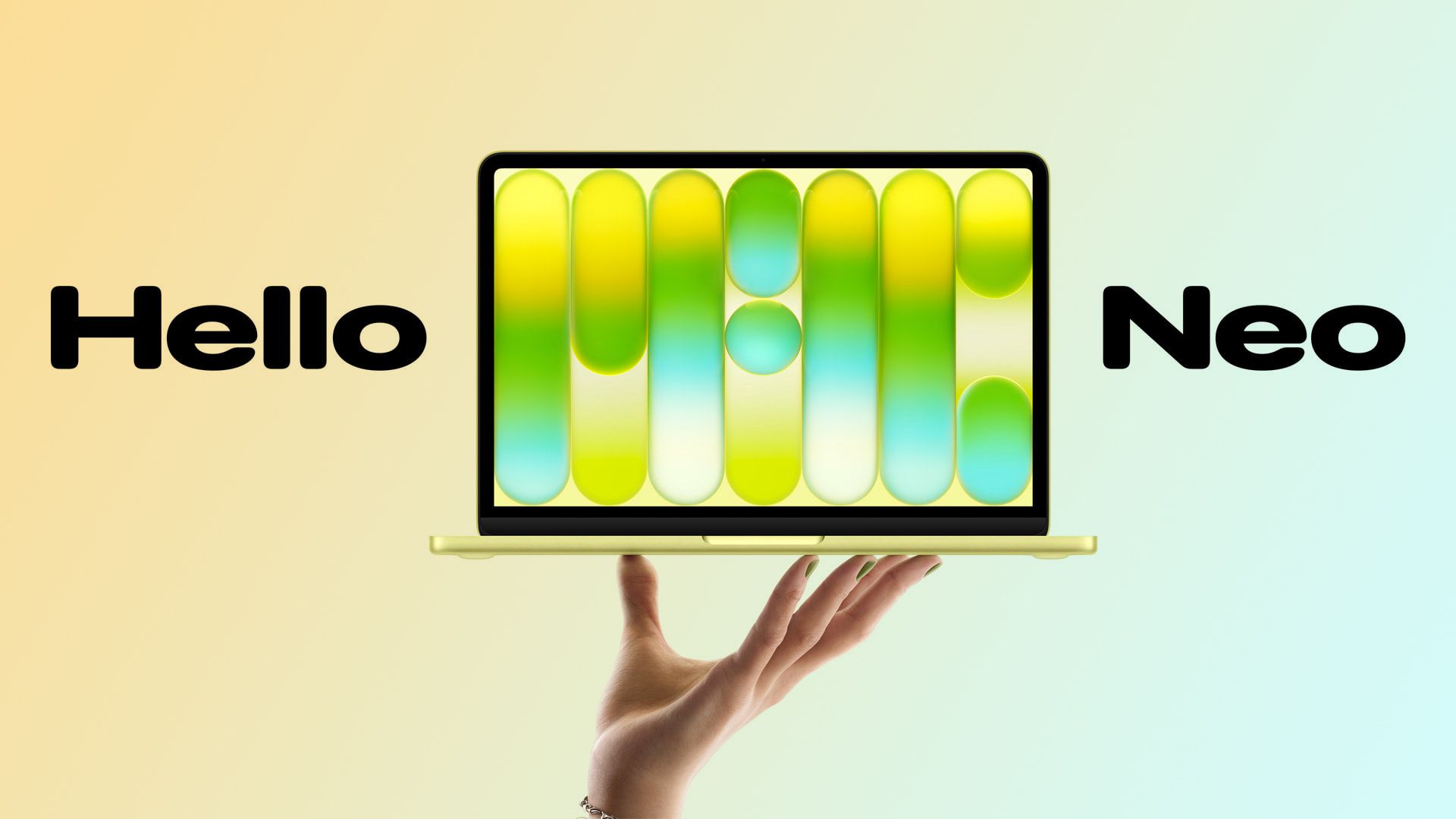
Apple Was Caught Off Guard by MacBook Neo's 'Off the Charts' Demand
Apple's most affordable MacBook ever appears to be a resounding hit with customers, based on comments shared by CEO Tim Cook this week. On an earnings call on Thursday, Cook said that customer response to the MacBook Neo has been "off the charts" since the laptop was unveiled in March. "We could not be happier with how things are going at the moment," he said.
Why Must You Pay Sales People Commissions? | Andreessen Horowitz
“I’d be a billionaire if I could get a dollar for all the bullshit I hear today” –Big Sean, The One I felt a little odd writing that title. It’s a little like asking “Why should you give engineers big monitors?” If you have to ask the question, then you probably won’t understand the answer....

Steve Jobs Insult Response - Highest Quality
The Vast and Endless Sea
After we created Stack Overflow, some people were convinced we had built a marginally better mousetrap for asking and answering questions. The inevitable speculation began: can we use your engine to build a Q&A site about {topic}? Our answer was Stack Exchange. Pay us $129 a month (and up)
Corporations Reeling From Huge AI Costs With No Clear Benefits
Costs to access powerful AI tools are soaring, forcing company leaders to ask some difficult questions about the actual benefits.

1. Steve Jobs realized that "People hate their phones". Apple invented a better one, made bank, & changed the world. Academics hate their scientific publishers. Bluesky invented a better publishing platform, & could bank some of the ~$20B/year sci pub revenue, changing science 🧪 @toni.bsky.team 🧵
1. Steve Jobs realized that "People hate their phones". Apple invented a better one, made bank, & changed the world. Academics hate their scientific publishers. Bluesky invented a better publishing platform, & could bank some of the ~$20B/year sci pub revenue, changing science 🧪 @toni.bsky.team 🧵

