

When it comes to AI’s potential future impact on jobs, Camp Automation tends to jump to the conclusion that most jobs will be automated away into oblivion. The progressive arm of Camp Automation then argues for the need for versions of universal basic income and other social services to ensure survival in a job-less world. Of course, this being the US… most in Camp Automation tend to panic and refuse to engage with how their views might intersect with late-stage capitalism, structural inequality, xenophobia, and political polarization.
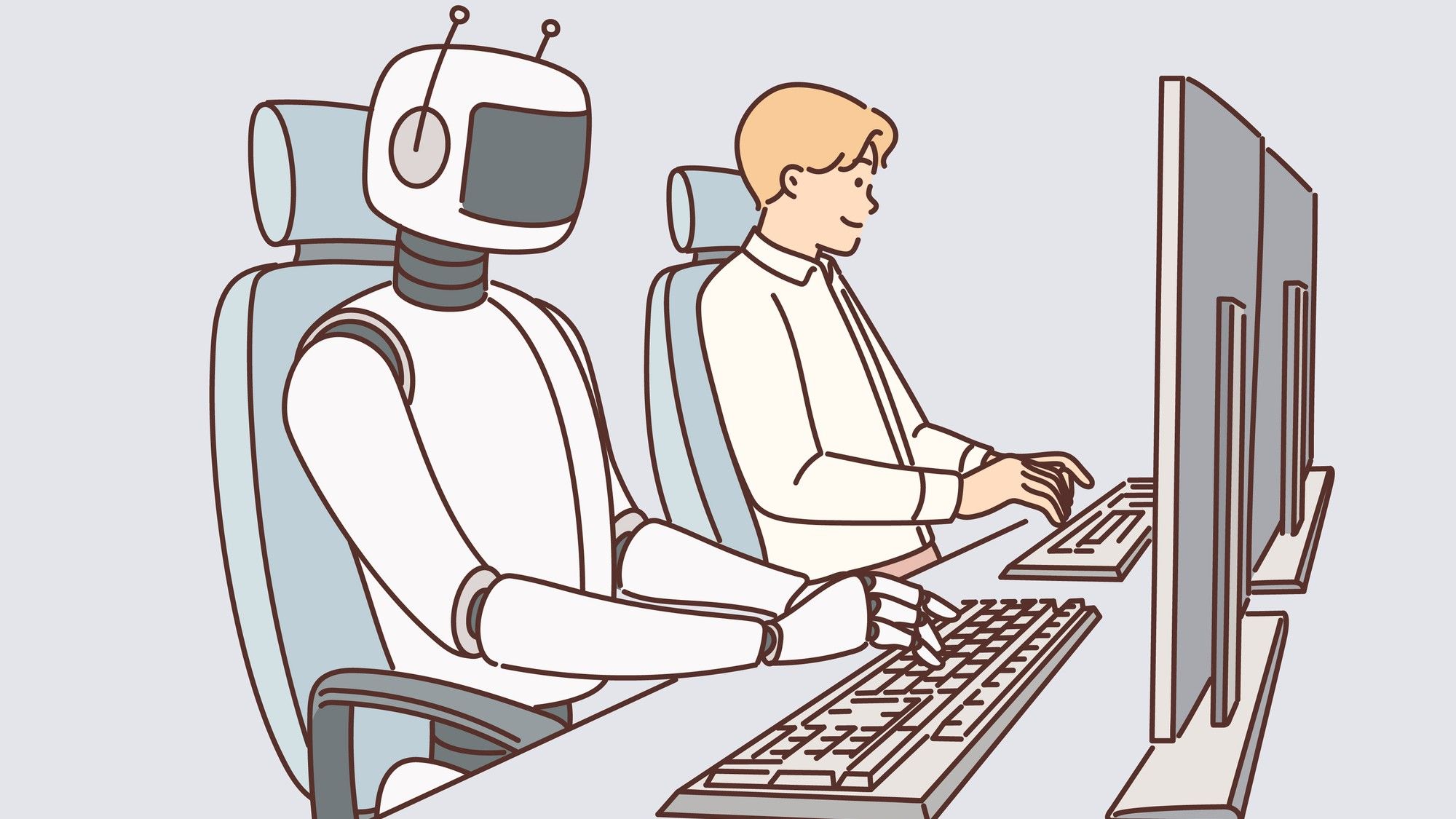
‘Deskilling’: a dangerous side effect of AI use
Workers are increasingly reliant on the new technology
"How to Think About AI": Cory Doctorow on Big Tech, Understanding AI, Labor Automation & More
Politics—Not Tech—Can Save Black Jobs from AI - Public Books
Don’t plan to make individuals retrain for new jobs. Instead, build a society that upholds the lives of everyone.

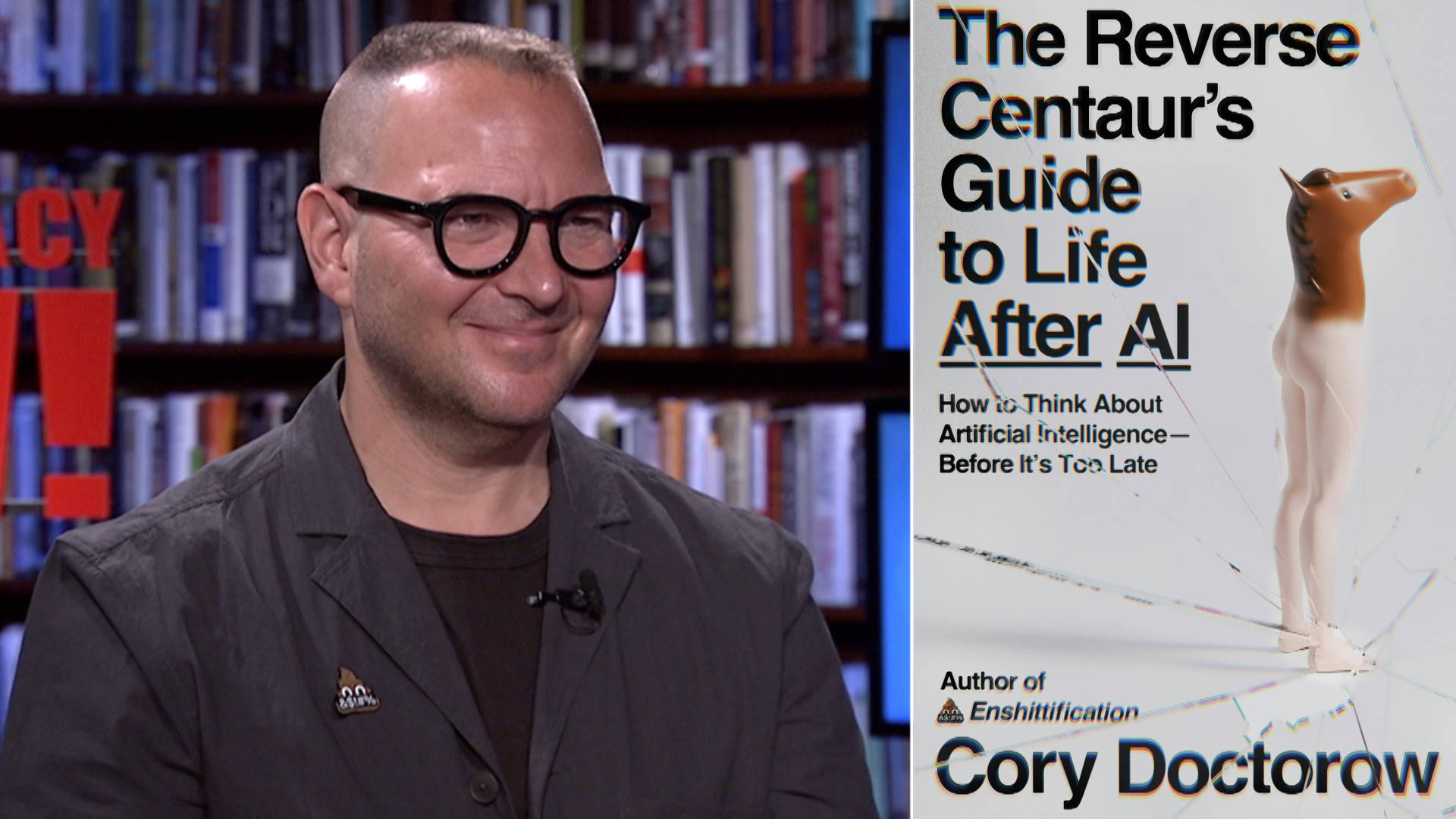
“How to Think About AI”: Cory Doctorow on Big Tech, Understanding AI, Labor Automation & More
Democracy Now! speaks with science fiction author, activist and journalist Cory Doctorow about AI and his latest book, The Reverse Centaur’s Guide to Life After AI: How to Think About Artificial Intelligence — Before It’s Too Late. Doctorow comments on AI’s “bad unit economics” and the connection between automation and labor. “When labor drives automation, it’s usually in service to making the product better, and when capital drives automation, it’s usually in service to making more of the product,” says Doctorow.
Nathan Witkin on Twitter / X
Does anyone disagree that pretty much every piece of empirical evidence we have about actually existing AI points toward a labor-augmenting technology with a more-or-less ordinary risk profile (no worse than cars, guns, nuclear power, social media, etc.)?On the labor front, the…— Nathan Witkin (@NateWitkin) October 5, 2026
How AI can become pro-worker
The automation of blue-collar and office jobs using digital technologies has been an important driver of the rise in inequality since the 1980s. A new CEPR Policy Insight argues that a ‘human-complementary’ path for artificial intelligence could contribute more to productivity growth and help reduce economic inequality. The authors suggest five potential elements for policy attention to help move the US, Europe, and other economies onto this human-complementary path.

Enough Debate about the AI Jobpocalypse. We Need To Plan for the Messy Middle.
Caught between arguments of abundance and apocalypse, economist Molly Kinder explores what workers can expect in the near future — and what we can do about it.
AI tools are 'deskilling' workers, philosophy professor says
A philosophy professor warns that AI reliance is weakening workers' judgment, creativity, and problem-solving.
AI Was Supposed To Take Your Job. Why Hasn't It?
The real AI economy is being built by ordinary people
Far from Silicon Valley pitch decks, workers across Asia and Africa are bypassing tech industry hype to quietly rewire their daily jobs — one prompt, workflow, and local problem at a time.

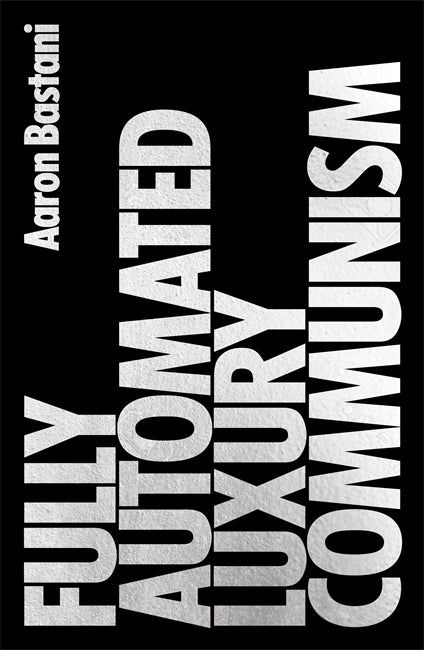
Fully Automated Luxury Communism
Fully Automated Luxury Communism promises a radically new left future for everyone. New technologies will liberate us from work, providing the opportunity to build a society beyond both capitalism and scarcity. Automation, rather than undermining an economy built on full employment, is instead the path to a world of li
What Workers Want from AI Automation
The best argument I’ve heard for why AI won't take your job
In the first episode of the Platformer podcast, Box CEO Aaron Levie makes the case that you'll keep your job — but soon, you might not recognize it

Robots will take your job - The Boston Globe
Even the White House says the machines are coming, so let’s give humans a universal basic income.

How employment is changing at Anthropic
How has AI restructured work and employment at Anthropic? As a company at the frontier of AI adoption, Anthropic could be a leading indicator of how AI will shift work organization, hiring, and labor demand across the economy.
