

Still, many questions have global aspects. Our information networks, our trade routes, our dependencies are truly global. Because of it many of our issues, including climate emergencies, are global in both their roots and consequences. We all suffer from small earth syndrome these days, as I phrased it in 2010 at the SHiFT Conference, where everything anyone of us does reverberates around the world because we are continuously bumping into real global limits, Club of Rome style.

A fact-based worldview for all | Gapminder
We live in a globalized world, not only in terms of trade and migration. More people than ever care about global development. But most people have severe misconceptions about contemporary global development. We know, because we have tested people’s knowledge. One of the main reasons for this is that students don’t learn to understand the world based on statistics and facts. Instead, we have a dramatic worldview formed by outdated school books and sensationalist news-stories. People intuitively believe that most things are getting worse. The dramatic worldview leads to irrational decisions by individuals, nonprofits, governments and business. For the first time in human history reliable statistics exist. There’s data for almost every aspect of global development. The data shows a very different picture: a world where most things improve; a world that is not divided; and a world where the fast population growth will soon be over. The world has never been less bad. But that doesn’t mean it’s perfect.
Positech@CSCW2026
People care about climate change, injustice, and humanitarian crises. The challenge is not apathy but capacity: sustained engagement with large-scale problems is psychologically costly, and social media architecture often amplifies awareness while providing few pathways to meaningful action.
Political Scenarios for Climate Disaster - Dissent Magazine
In the Global North we often act as if our future will be a warmer version of today: liberal capitalism, plus flood insurance, minus coral reefs. That future is a fantasy.

We asked our climate reporters to highlight one idea for positive change. We got a chronicle of global transformation
There are countless initiatives around the world that can inspire people and spur them into action. Amid the devastation of the climate crisis, our journalists strive to highlight these stories of hope

The Gargantuan Lie That is Collapsing The World’s Climate
Thinking we have time left to address climate change, or that “Net Zero by 2050” will save us, is driving us toward full social collapse in ways that become more obvious with every new broken temperature record.

The New Planetary Nationalism
The realization of human embeddedness in Earth’s natural systems does not inevitably create a cosmopolitan politics oriented toward universal well-being.
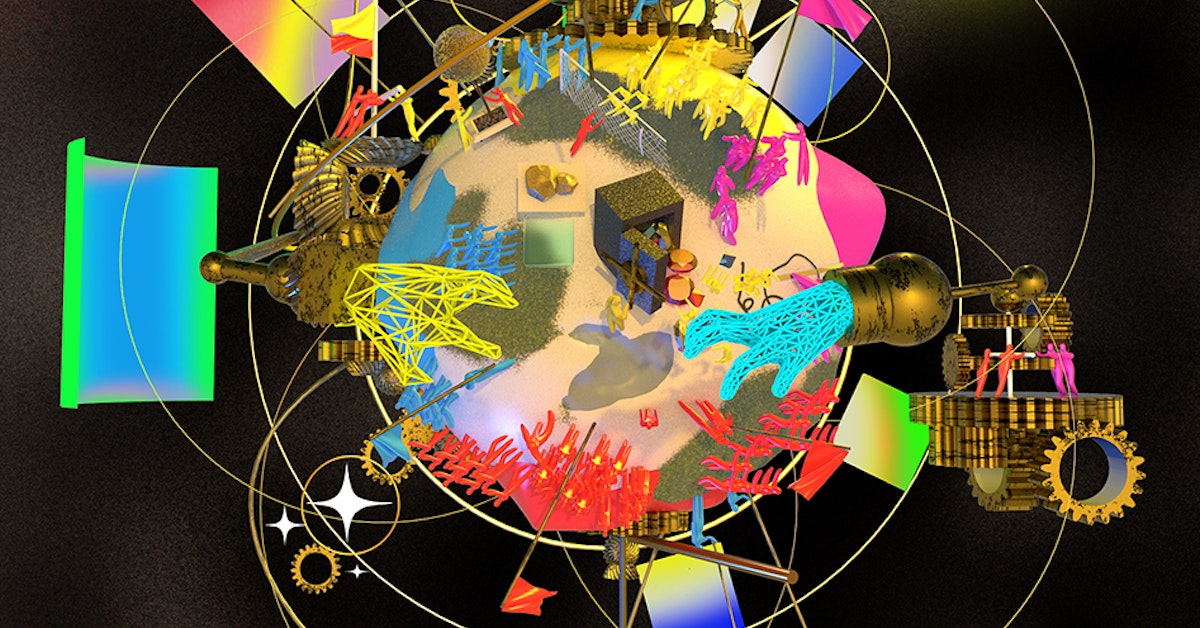
The Origins Of <br>‘Planetary Realism’ And <br>‘Whole Earth’ Thinking | NOEMA
There is no escaping an interconnected world.
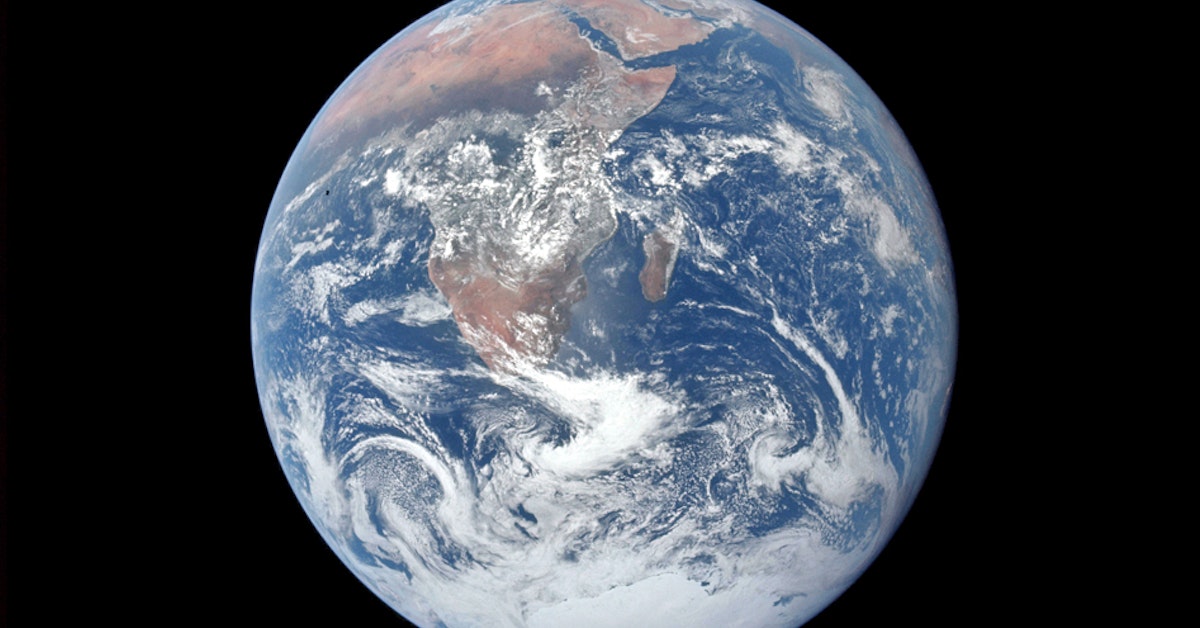
Human perspectives on AI · Global Voices
This GV Spotlight edition will explore how the use of, promotion of, and resistance to artificial intelligence is playing out for the Global Majority.

Daniel Christian Wahl: “Bioregional Futures: Reconnecting to Place for Planetary Health” - The Great Simplification
In the past century of abundant energy surplus, humanity’s globalized, large-scale approach to problem-solving

Humanity’s Endgame
A new history of societal collapse by an expert in existential risk argues that our globalized society is edging toward the precipice.

Annick de Witt on Worldview Theory in a Time Between Worlds
Join us for the Life Itself Research Community Call#33. Annick de Witt discusses how her research on worldviews helps us respond to our current period of global societal transition.
Decolonising Global Digital Transformation
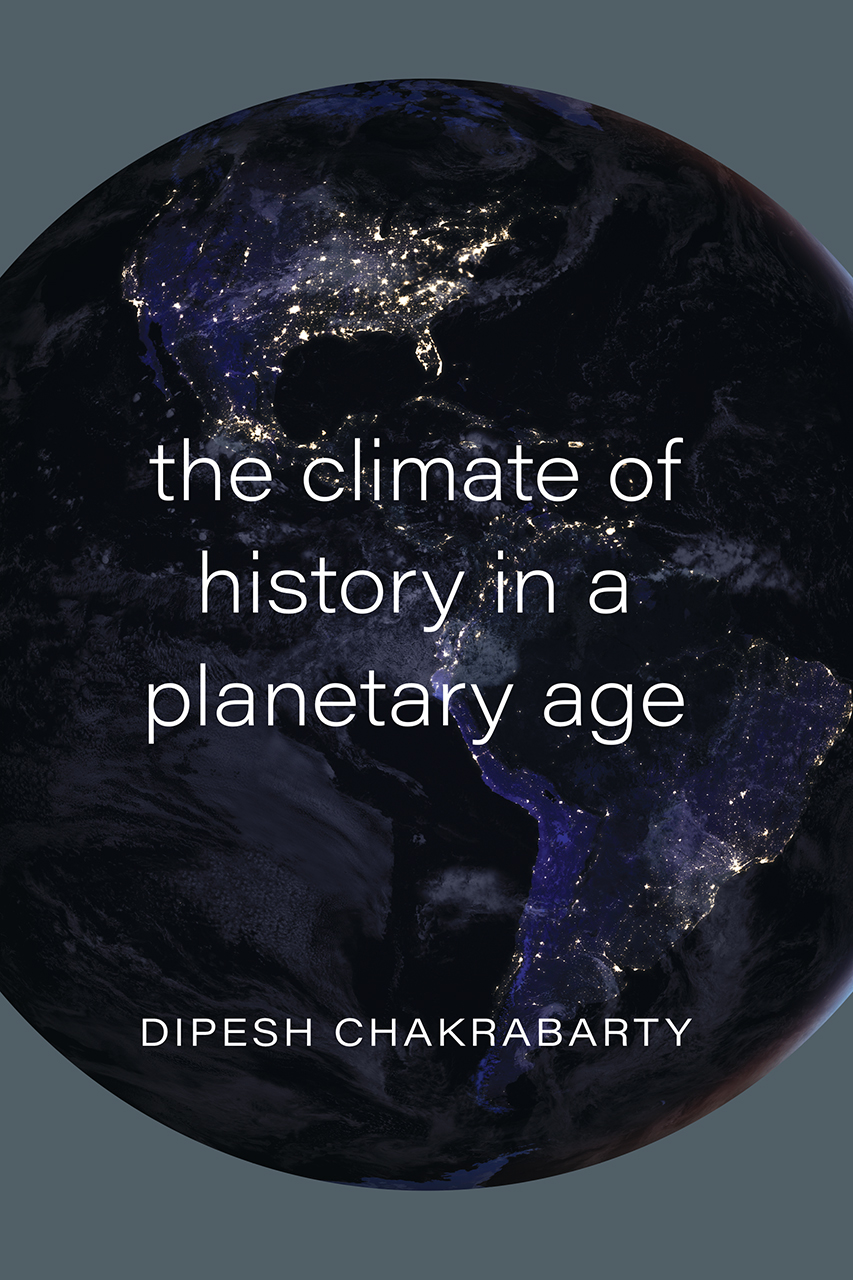
The Climate of History in a Planetary Age
For the past decade, historian Dipesh Chakrabarty has been one of the most influential scholars addressing the meaning of climate change. Climate change, he argues, upends long-standing ideas of history, modernity, and globalization. The burden of The Climate of History in a Planetary Age is to grapple with what this means and to confront humanities scholars with ideas they have been reluctant to reconsider—from the changed nature of human agency to a new acceptance of universals. Chakrabarty argues that we must see ourselves from two perspectives at once: the planetary and the global. This distinction is central to Chakrabarty’s work—the globe is a human-centric construction, while a planetary perspective intentionally decenters the human. Featuring wide-ranging excursions into historical and philosophical literatures, The Climate of History in a Planetary Age boldly considers how to frame the human condition in troubled times. As we open ourselves to the implications of the Anthropocene, few writers are as likely as Chakrabarty to shape our understanding of the best way forward.
Stewardship of global collective behavior
Collective behavior provides a framework for understanding how the actions and properties of groups emerge from the way individuals generate and share information. In humans, information flows were initially shaped by natural selection yet are increasingly structured by emerging communication technologies. Our larger, more complex social networks now transfer high-fidelity information over vast distances at low cost. The digital age and the rise of social media have accelerated changes to our social systems, with poorly understood functional consequences. This gap in our knowledge represents a principal challenge to scientific progress, democracy, and actions to address global crises. We argue that the study of collective behavior must rise to a “crisis discipline” just as medicine, conservation, and climate science have, with a focus on providing actionable insight to policymakers and regulators for the stewardship of social systems.

been a long time coming me formulating my thoughts on the "global profile" discussion in a single place so hereee

Identities, accounts and profiles
nelind.leaflet.pub