

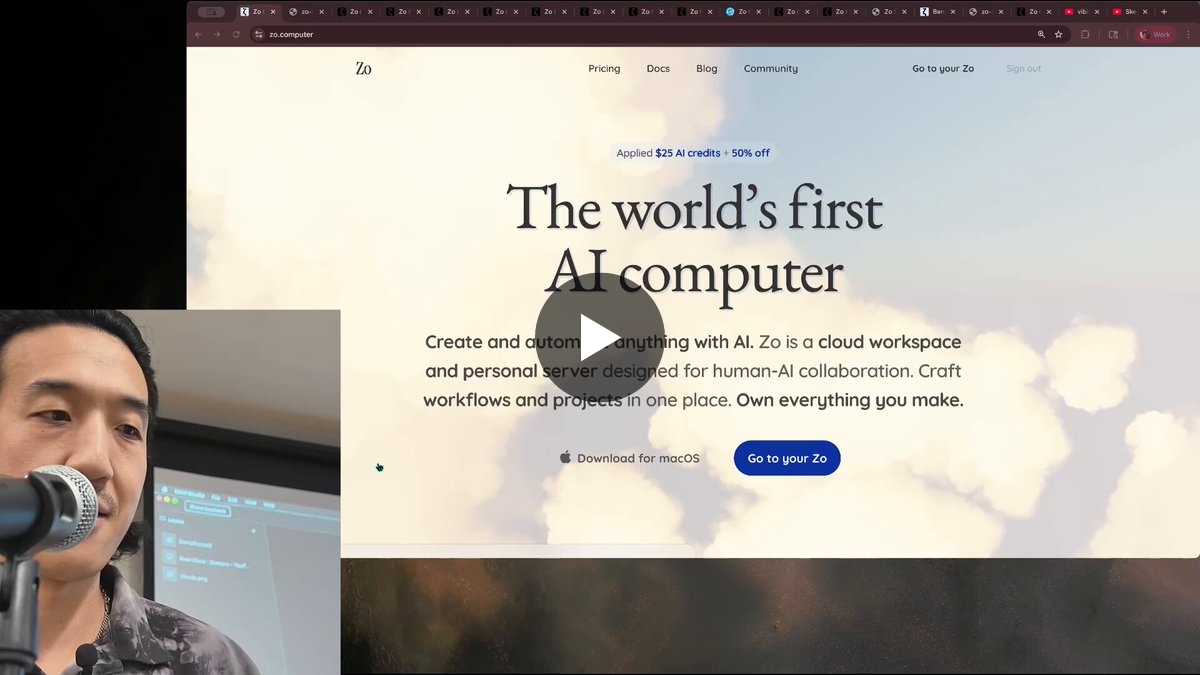
i gave this talk last night at @southpkcommons about why the personal computing revolution never happened, and what we can do about it. pumped about the feedback afterwards: "it's giving early tumblr", "you guys are like punk apple", "i want more early internet mixtape vibes" pic.twitter.com/0Lwz3CaWBX— ben guo 🏇 (@0thernet) November 6, 2025
Kanjun 🐙 on Twitter / X
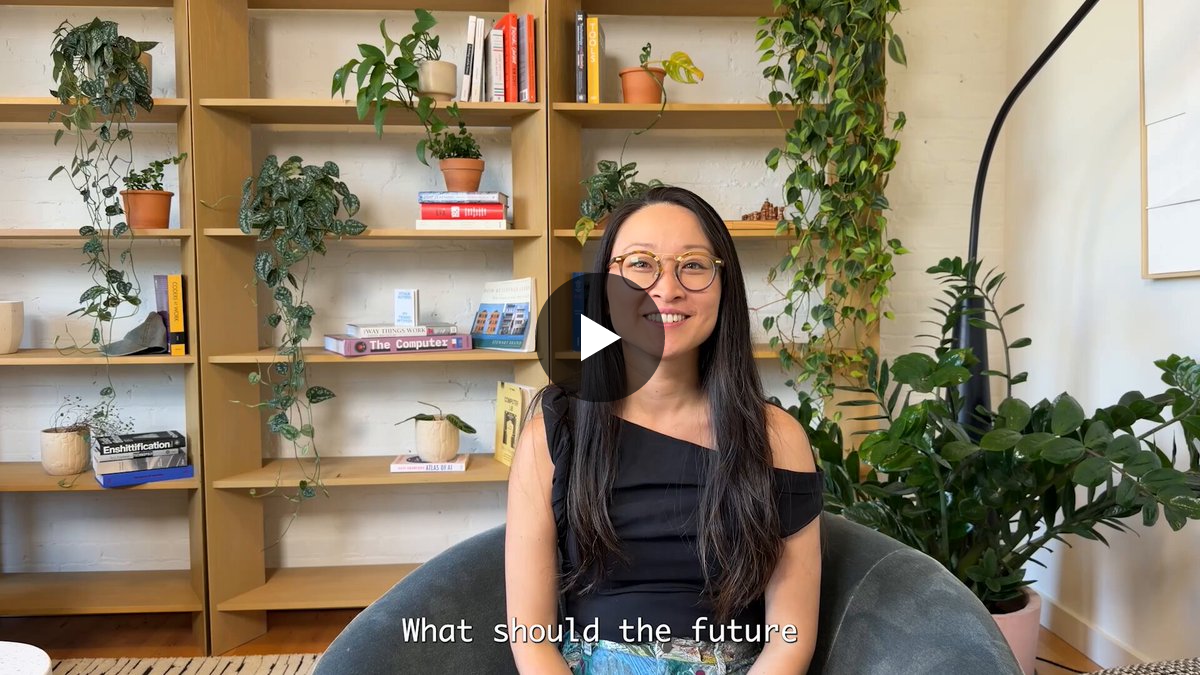
What should the future of personal computing look like?We built it 😈Introducing Imbue Studio: pic.twitter.com/Ry8maGy3mN— Kanjun 🐙 (@kanjun) October 1, 2026
Blue Skies Ahead: Social Media's Quiet User Revolution
In a digital landscape increasingly defined by user concerns over privacy and control, a quiet revolution is taking shape.

Augment
A collection of essays on the future of personal computing — specifically, on the kind we’d like to see more of in the future, and the ideas that might help us get there.

Imbue on Twitter / X
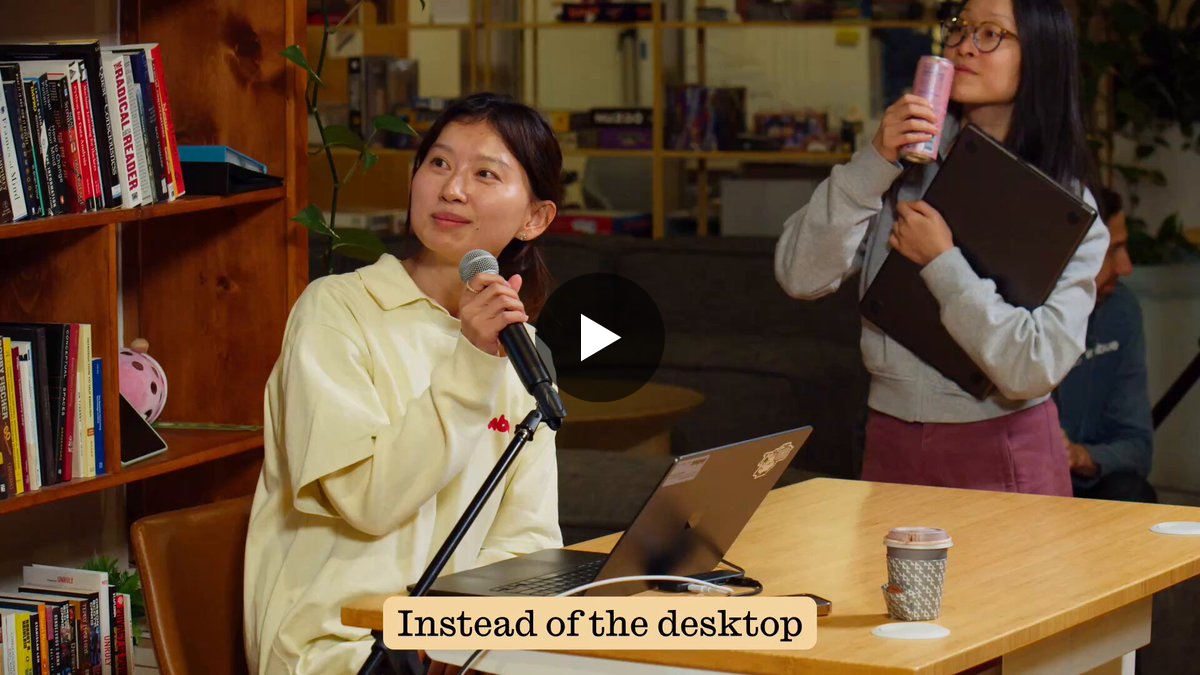
what if your personal computer felt like a little world of your own?Ming used Imbue Studio to build an interactive personal dashboard with daily briefings, an AI assistant that remembers her tastes and preferences, and tools she can create and customize as she goesyour… pic.twitter.com/FtMLTXLPzr— Imbue (@imbue_ai) October 13, 2026
Alexander Obenauer
Exploring new and renewed ideas for how personal computing and the interfaces we think with can better serve people’s lives – expanding opportunity, agency, curiosity, and creativity.
Shifts in U.S. Social Media Use, 2020–2024: Decline, Fragmentation, and Enduring Polarization
The social media ecosystem appears to be in flux. Twitter’s rebranding to X has come to symbolize a broader reorganization of online publics – political reshuffling, user attrition, and uncertainty over the role of legacy platforms. Simultaneously, the shift from text-based, networked feeds toward algorithmically curated, short-form video has accelerated, with TikTok setting the pace for the wider ecosystem [18, 14, 16]. At the same time, everyday communication increasingly migrates from large, open networks to semi-private spaces such as group chats and messaging apps. Commentators describe a digital public sphere in transition: smaller, more fragmented, less dominated by traditional social networking sites, and rise of more broadcast-oriented forms of media – with some even suggesting that we are seeing the beginning of the end of the social media era.
» Apple, Carmen Sandiego, and the Rise of Edutainment The Digital Antiquarian
If there was any one application that was the favorite amongst early boosters of personal computing, it was education. Indeed, it could sometimes be difficult to find one of those digital utopianists who was willing to prioritize anything else — unsurprisingly, given that so much early PC culture grew out of places like The People’s Computer Company, who made “knowledge is power” their de facto mantra and talked of teaching people about computers and using computers to teach with equal countercultural fervor. Creative Computing, the first monthly magazine dedicated to personal computing, grew out of that idealistic milieu, founded by an educational consultant who filled a big chunk of its pages with plans, schemes, and dreams for computers as tools for democratizing, improving, and just making schooling more fun. A few years later, when Apple started selling the II, they pushed it hard as the learning computer, making deals with the influential likes of the Minnesota Educational Consortium (MECC) of Oregon Trail fame that gave the machine a luster none of its competitors could touch. For much of the adult public, who may have had their first exposure to a PC when they visited a child’s classroom, the Apple II became synonymous with the PC, which was in turn almost synonymous with education in the days before IBM turned it into a business machine. We can still see the effect today: when journalists and advertisers look for an easy story of innovation to which to compare some new gadget, it’s always the Apple II they choose, not the TRS-80 or Commodore PET. And the iconic image of an Apple II in the public’s imagination remains a group of children gathered around it in a classroom.
Bluesky COO Rose Wang On Building a Better Social Network
Medium CEO Tony Stubblebine on AI Slop, Quality Content & Social Media Fragmentation
Social Media Should Be Public Infrastructure (with Ben Cerveny)
After the feed with Eli Pariser, Ben Smith, and Jasmine Sun
Alex Komoroske on Twitter / X
What if technology didn’t feel so… hollow?Some friends and I just released a manifesto about a world where tech leaves us feeling nourished (along with an evolving list of theses about how we can build it)https://t.co/sfKBVZ2zXr— Alex Komoroske (@komorama) December 5, 2025
How Bluesky, Alternative to X and Facebook, Is Handling Explosive Growth (Published 2024)
The fledgling social media site has been flooded with new users since the election. It hasn’t all been easy.

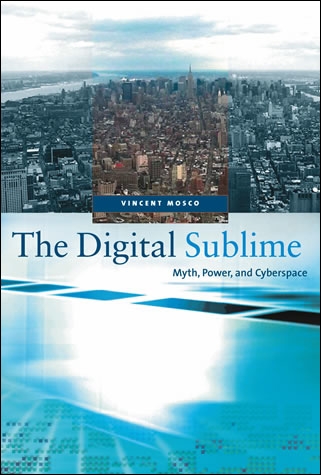
The Digital Sublime: Myth, Power, and Cyberspace
Interpreting the myths of the digital age: why we believed in the power of cyberspace to open up a new world.The digital era promises, as did many other te
Today some of the most innovative creators & podcasters are launching social websites that will bring millions of their fans to the social web: verge.surf.social decoder.surf.social versionhistory.surf.social vergecast.surf.social wired.surf.social 404media.surf.social poweruser.surf.social

