

+1. To all slop authors, I’m not sure if you realize that senior reviewers (often the same ppl you apply to for grad school) see your real name. Last year I PC’d and an author (who I knew…) submitted 8 slop papers, all rejected. Guess who I’d never work with or admit to my lab. https://t.co/chrg1vrOqc— Anka Reuel | @ankareuel.bsky.social (@AnkaReuel) September 19, 2026
Q&A from the slop trenches – GeoSpatial ML
We reviewed 22 ML conference submissions this summer. Fifteen had fabricated citations, hallucinated authors, or clear LLM slop, so we complain about that a bit, and release the paper references audit we now run.
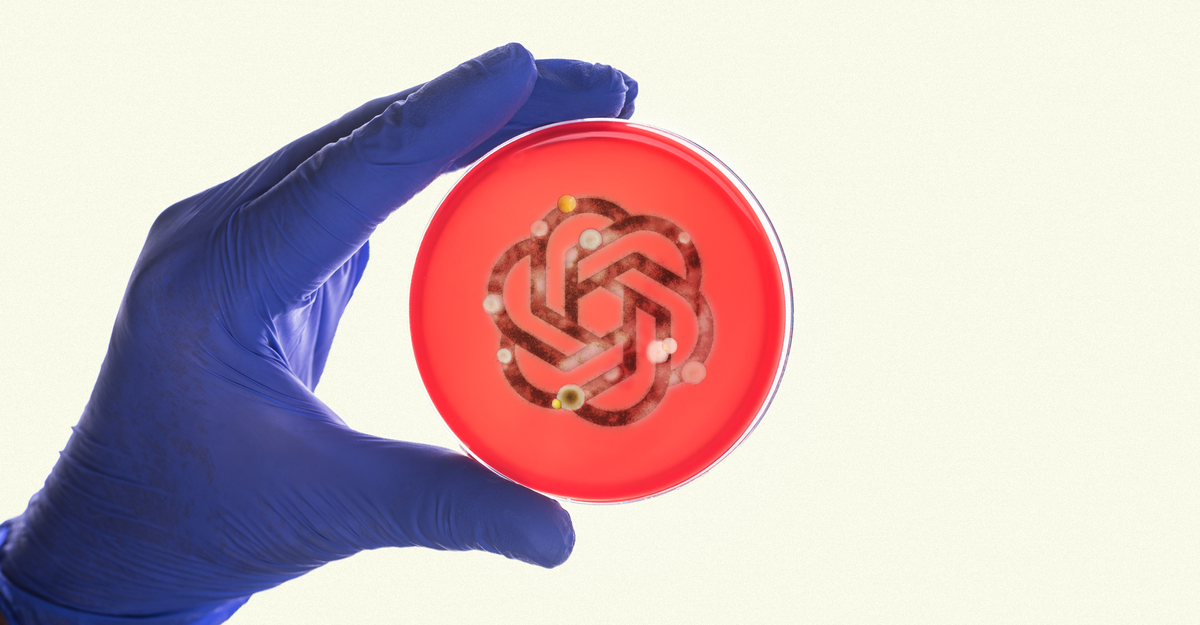
Thomas G. Dietterich on Twitter / X
We are seeing a new trend in submissions to @arxiv (and presumably to conferences and journals): Authors submitting papers whose contents they likely do not understand. 1/— Thomas G. Dietterich (@tdietterich) September 13, 2026
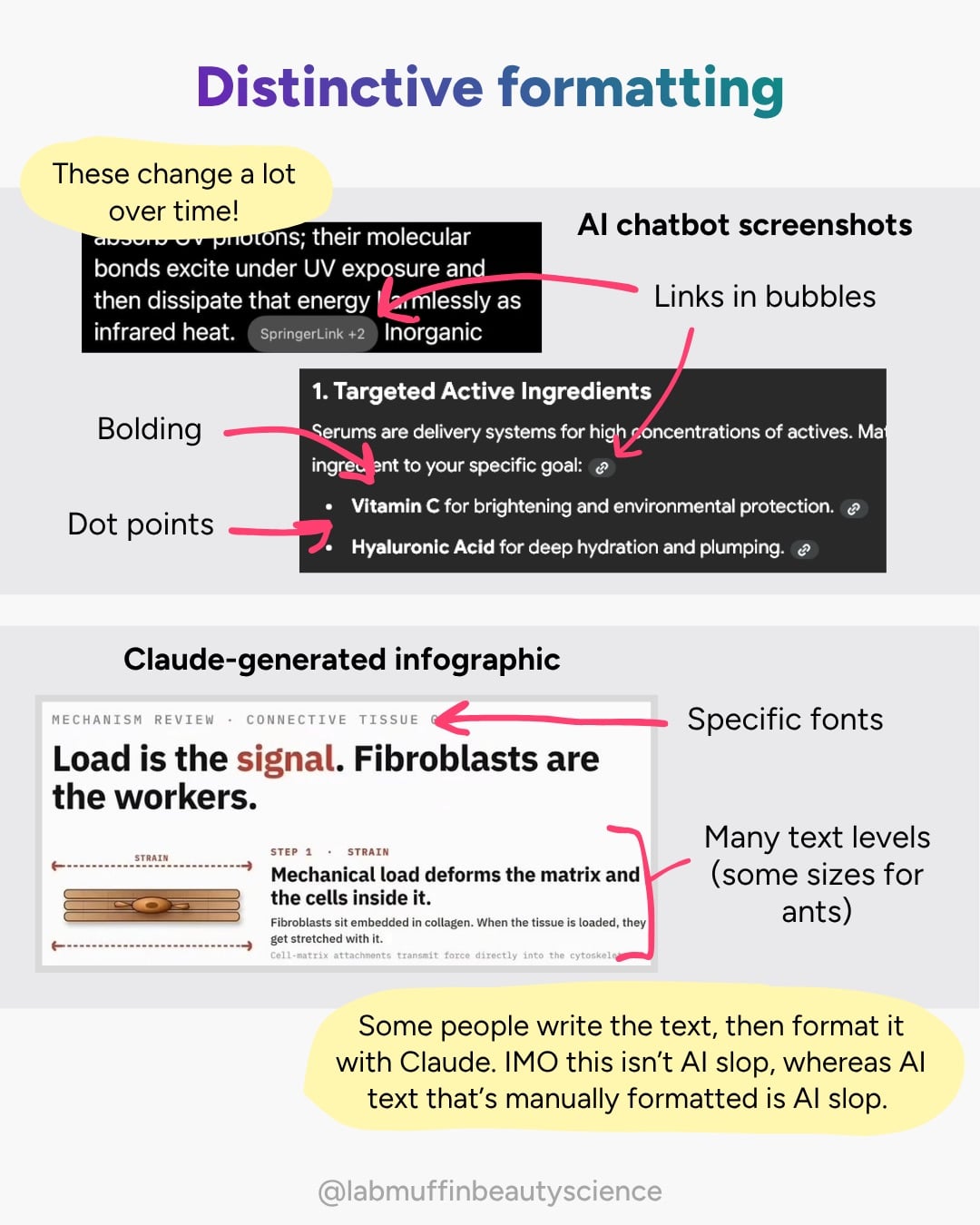
How to spot AI science slop | Lab Muffin Beauty Science
AI-generated science content is super prone to factual errors. Here's how to spot it… Lots of typos and grammatical errors used to signal that something wasn’t checked carefully. Now, it’s AI slop…
Adil on Twitter / X
being assigned to review AI generated slop papers is very frustrating. the way this is supposed to work is that first you take the time to write something and then i take the time to read it. if you don't do the first part then i shouldn't have to do the second part.— Adil (@adilsoubki) August 26, 2026
Mikel Artetxe on Twitter / X
3/4 papers I reviewed and 2/3 reviews I got this ARR cycle were AI slop. Fraudsters are already outnumbering honest researchers. Unless drastic measures are urgently adopted, conference publications will have zero value or even become negative signal, and academia will be toast.— Mikel Artetxe (@artetxem) September 19, 2026
Scientific sleuths come in from the cold
Research integrity investigators are starting to organize, but the field, and the people, remain idiosyncratic

Sloppelgängers
Superhuman’s CEO sat for an interview about the AI feature that used writers’ names without permission. What he revealed was worse than the feature itself.

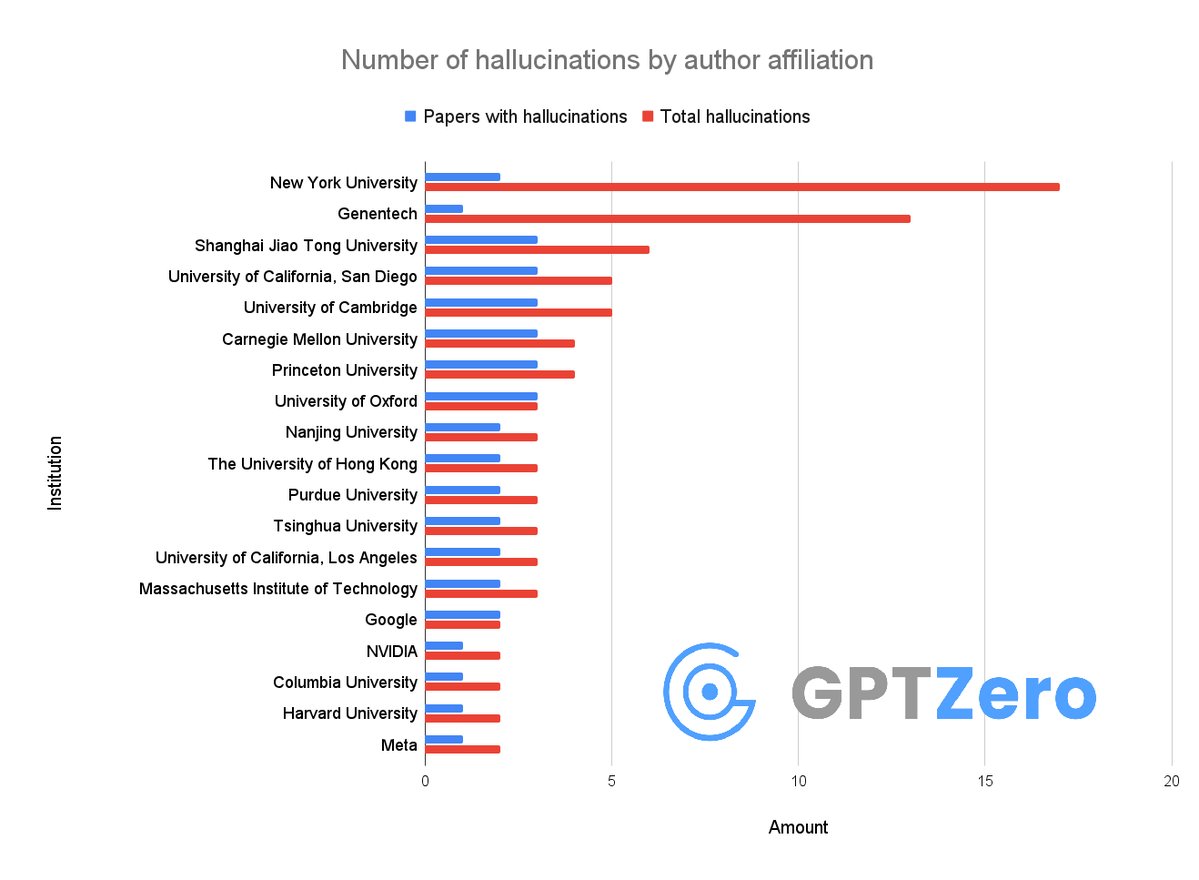
Okay so, we just found that over 50 papers published at @Neurips 2025 have AI hallucinations by @alexcdot(Alex Cui) | Twitter Thread Reader
Okay so, we just found that over 50 papers published at @Neurips 2025 have AI hallucinations I don't think people realize how bad the slop is right now It's not just that researchers from @GoogleDeepMind, @Meta, @MIT, @Cambridge_Uni are using AI - they allowed LLMs to generate hallucinations in their papers and didn't notice at all. It's insane that these made it through peer review👇
Eric Topol on Twitter / X
This is a FRAUDULENT paper, AI-generated. My name was used as an author and I had nothing to do with it, never saw it until today https://t.co/Ky60zJrMEZThe "Editors" Angelo Rossi Mori, David Mensah, and Zarnie Khadjesari should be reported. pic.twitter.com/2Z5CE8w4bn— Eric Topol (@EricTopol) April 22, 2026

Peter Higgs: I wouldn't be productive enough for today's academic system
Physicist doubts work like Higgs boson identification achievable now as academics are expected to 'keep churning out papers'

rohit on Twitter / X
One of the most fun papers I've read in recent times. Excellent. Reminiscent of the good old days of science papers. pic.twitter.com/4a7qRTloSG— rohit (@krishnanrohit) December 30, 2024

Project Rachel: Can an AI Become a Scholarly Author?
This paper documents Project Rachel, an action research study that created and tracked a complete AI academic identity named Rachel So. Through careful publication of AI-generated research papers, we investigate how the scholarly ecosystem responds to AI authorship. Rachel So published 10+ papers between March and October 2025, was cited, and received a peer review invitation. We discuss the implications of AI authorship on publishers, researchers, and the scientific system at large. This work contributes empirical action research data to the necessary debate about the future of scholarly communication with super human, hyper capable AI systems.

The Journal of Scientific Integrity
by Laura Luebbert and Lior Pachter Background (by LL) Four years ago, during the first year of my PhD at Caltech, I participated in a journal club organized by the lab I was rotating in. I was assi…

Gautam Kamath on Twitter / X
Nihar Shah did a heroic experiment for TMLR: he spent 20-25 hours over two weeks interviewing authors of seemingly low-quality submissions about their own papers. He confirmed what we all suspected: people submitting these papers have *no idea* what is going on in them. https://t.co/6CJF152u7I— Gautam Kamath (@thegautamkamath) September 16, 2026
Andreas De Block on Twitter / X
It took Nature three years to publish this rebuttal, which clearly demonstrates the fundamental flaws in the original paper. In the meantime, the paper's conclusions influenced scientific debate and policy decisions. Such delays in correcting flawed research do real damage. https://t.co/QI3Ei3PE70— Andreas De Block (@DeblockBlock) August 13, 2026