


A friend of mine had her embryos screened by Herasight and they found one with an IQ score in the 99.99th percentile pic.twitter.com/qE4s3bs7AY— Gene Smith (@GeneSmi96946389) May 22, 2026
Jon Barron on Twitter / X
This idea that intelligence is solely a function of what you've observed since birth and not also a function of the 500 million years of evolution that preceded your birth is surprisingly sticky despite being demonstrably untrue. https://t.co/m2z5cN8Byb— Jon Barron (@jon_barron) January 28, 2026
'It's rigged': The dirty secret behind what IQ scores really measure | BBC Science Focus Magazine
Besides being next to useless for actually measuring intelligence, here's why we should kill IQ scores for good
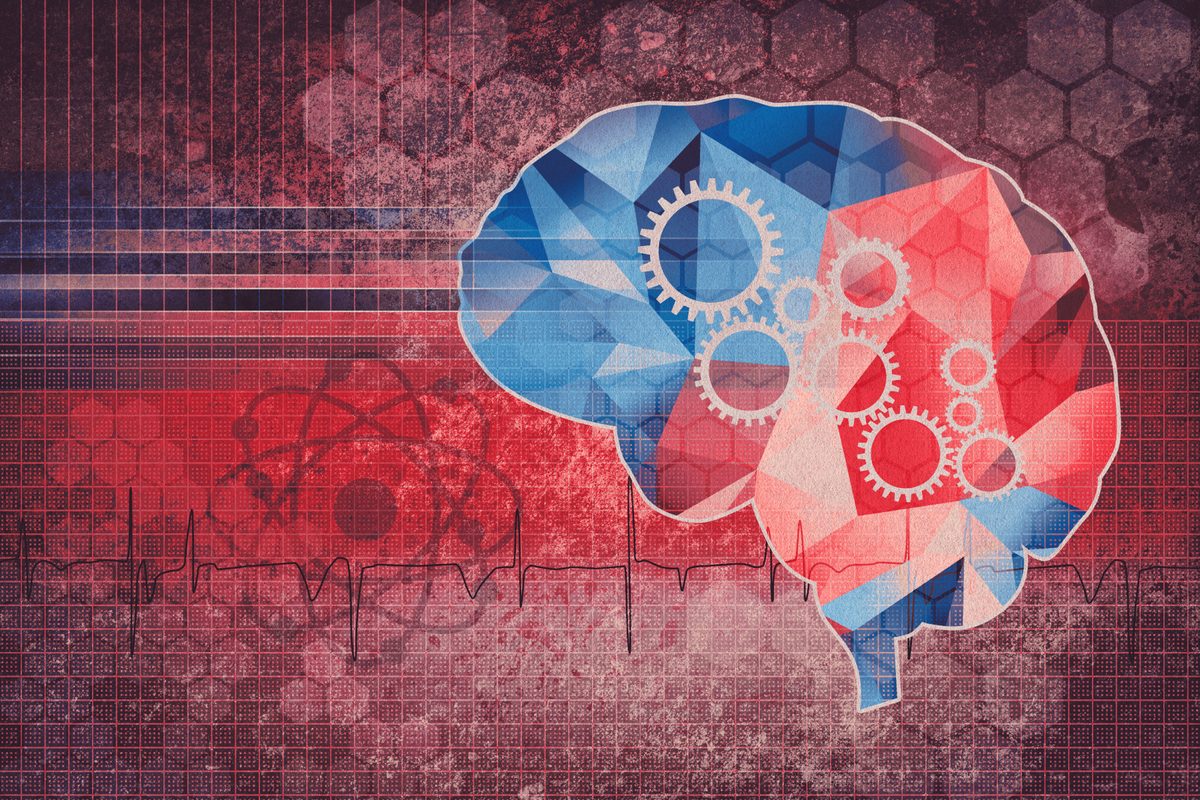
From gifted to high potential and twice exceptional: A state-of-the-art meta-review
Despite the abundant literature on intelligence and high potential individuals, there is still a lack of international consensus on the terminology and clinical characteristics associated to this population. It has been argued that unstandardized use of diagnosis tools and research methods make comparisons and interpretations of scientific and epidemiological evidence difficult in this field. If multiple cognitive and psychological models have attempted to explain the mechanisms underlying high potentiality, there is a need to confront new scientific evidence with the old, to uproot a global understanding of what constitutes the neurocognitive profile of high-potential in gifted individuals. Another particularly relevant aspect of applied research on high potentiality concerns the challenges faced by individuals referred to as "twice exceptional" in the field of education and in their socio-affective life. Some individuals have demonstrated high forms of intelligence together with learning, affective or neurodevelopmental disorders posing the question as to whether compensating or exacerbating psycho-cognitive mechanisms might underlie their observed behavior. Elucidating same will prove relevant to questions concerning the possible need for differential diagnosis tools, specialized educational and clinical support. A meta-review of the latest findings from neuroscience to developmental psychology, might help in the conception and reviewing of intervention strategies.
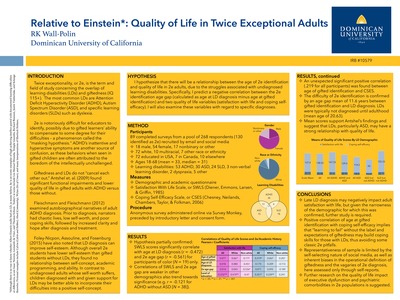
Relative to Einstein: Quality of Life in Twice Exceptional Adults
Twice exceptionality, or 2e, is the recently-coined term for the intersection of learning disabilities (LDs) and giftedness in an individual. Typically, these learning disabilities encompass ADHD, ASD, and/or specific learning disorders such as dyslexia. Because giftedness may obscure or compensate for a student’s academic struggles, and because institutional fixation on disability may overshadow intelligence, twice exceptionality is often missed by teachers and other authority figures in a child’s life. Given the ongoing difficulties of screening for twice exceptionality, it is likely that many 2e students have gone unidentified throughout most of their academic careers, without receiving the accommodations that would most benefit their studies. Furthermore, 2e adults whose schooling predated widespread awareness of twice exceptionality are more likely to have been diagnosed later in life. The twin prongs of identification and intervention for 2e youth make up the bulk of studies in the field. Today’s 2e youth are better-identified, better-studied, and better-supported than any previous generation, but 2e adults remain an understudied population. In addition to the difficulties and contradictions inherent in twice exceptionality, late identification and lack of support are likely to have negatively impacted twice exceptional adults, both in and out of the classroom. The present study will examine the ability of 2e adults to effectively cope with stressors in their lives, as well as their current level of life satisfaction. Approximately fifty or more 2e adults will be recruited through email and social media, and via the disability department of a small liberal arts university. Participants will be asked about their diagnostic histories and their experiences with higher education, and will then complete the Satisfaction With Life Scale (Diener, E., Emmons, R. A., Larsen, R. J., & Griffin, S., 1985) and Coping Self-Efficacy Scale (Chesney, M.A., Neilands, T.B., Chambers, D.B., Taylor, J.M., & Folkman, S., 2006). Data will be collected and analyzed in March and April 2017. We hypothesize that there will be a relationship between the age of identification as twice exceptional and adult quality of life, operationalized by Satisfaction with Life and Coping Self-Efficacy. Additionally, we will explore the relationships between specific diagnoses and these variables, as well as factors of race and gender. This study will provide information on an underserved and understudied group, and we hope it will provide a deeper understanding of the needs and strengths of this population.
Prof. Lee Cronin on Twitter / X
It is easy to see that biology does things that cannot be computed in advanced because the future is not controlled by statistics, it is controlled by creative actions. This means today’s statistically-driven GenAI is fundamentally unintelligent.— Prof. Lee Cronin (@leecronin) March 28, 2026
Jason Crawford on Twitter / X
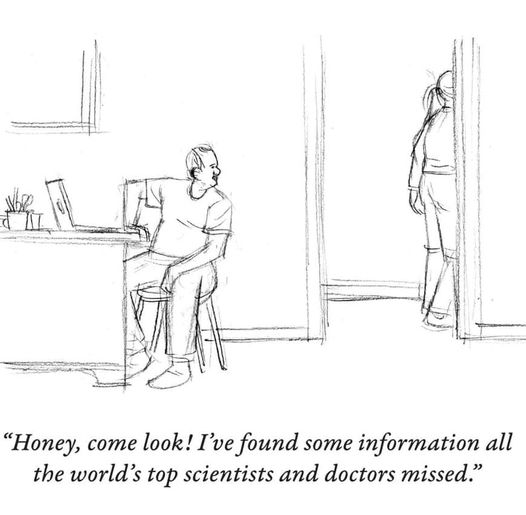
It's hard to find information that all the world's top scientists and doctors have missed.But it's not that hard, if you're intelligent, thoughtful, and diligent, to find information that the medical system has not yet caught up to—information that is not yet incorporated into… pic.twitter.com/HrgGzCUdX2— Jason Crawford (@jasoncrawford) September 22, 2024
I tried to check out the papers this links to, but a whole bunch of them (maybe most of them) are ei — @aiueo.ooo
The influence of artificial intelligence on individuals with disabilities - ScienceDirect
These parents didn’t know why their daughter was sick. They turned to AI to help solve the mystery. - The Boston Globe
First they sequenced the entire genomes of all four members of their family. Then they got down to work.

Superintelligence is a Fairy Tale. But Chasing It Can Still Cause Harm. - Cal Newport
Yesterday, multiple Anthropic employees casually announced online that they thought the types of AI they’re building could kill billions of people. Not in some distant ... Read more
Bill Gates Exclusive: I'm On The Autism Spectrum, It Never Goes Away
Microsoft co-founder Bill Gates has told NDTV that were he a young boy growing up in today's world, he would "probably be diagnosed on the autism spectrum".

High intelligence: A risk factor for psychological and physiological overexcitabilities
High intelligence is touted as being predictive of positive outcomes including educational success and income level. However, little is known about the difficulties experienced among this population. Specifically, those with a high intellectual capacity (hyper brain) possess overexcitabilities in various domains that may predispose them to certain psychological disorders as well as physiological conditions involving elevated sensory, and altered immune and inflammatory responses (hyper body). The present study surveyed members of American Mensa, Ltd. (n=3715) in order to explore psychoneuroimmunological (PNI) processes among those at or above the 98th percentile of intelligence. Participants were asked to self-report prevalence of both diagnosed and/or suspected mood and anxiety disorders, attention deficit hyperactivity disorder (ADHD), autism spectrum disorder (ASD), and physiological diseases that include environmental and food allergies, asthma, and autoimmune disease. High statistical significance and a remarkably high relative risk ratio of diagnoses for all examined conditions were confirmed among the Mensa group 2015 data when compared to the national average statistics. This implicates high IQ as being a potential risk factor for affective disorders, ADHD, ASD, and for increased incidence of disease related to immune dysregulation. Preliminary findings strongly support a hyper brain/hyper body association which may have substantial individual and societal implications and warrants further investigation to best identify and serve this at-risk population.
A Benchmark Dose Analysis for Maternal Pregnancy Urine‐Fluoride and IQ in Children
Abstract As a guide to establishing a safe exposure level for fluoride exposure in pregnancy, we applied benchmark dose modeling to data from two prospective birth cohort studies. We included mother–child pairs from the Early Life Exposures in Mexico to Environmental Toxicants (ELEMENT) cohort in Mexico and the Maternal‐Infant Research on Environmental Chemicals (MIREC) cohort in Canada. Maternal urinary fluoride concentrations (U‐F, in mg/L, creatinine‐adjusted) were measured in urine samples obtained during pregnancy. Children were assessed for intelligence quotient (IQ) at age 4 ( n = 211) and between six and 12 years ( n = 287) in the ELEMENT cohort, and three to four years ( n = 407) in the MIREC cohort. We calculated covariate‐adjusted regression coefficients and their standard errors to assess the association of maternal U‐F concentrations with children's IQ measures. Assuming a benchmark response of 1 IQ point, we derived benchmark concentrations (BMCs) and benchmark concentration levels (BMCLs). No deviation from linearity was detected in the dose–response relationships, but boys showed lower BMC values than girls. Using a linear slope for the joint cohort data, the BMC for maternal U‐F associated with a 1‐point decrease in IQ scores was 0.31 mg/L (BMCL, 0.19 mg/L) for the youngest boys and girls in the two cohorts, and 0.33 mg/L (BMCL, 0.20 mg/L) for the MIREC cohort and the older ELEMENT children. Thus, the joint data show a BMCL in terms of the adjusted U‐F concentrations in the pregnant women of approximately 0.2 mg/L. These results can be used to guide decisions on preventing excess fluoride exposure in pregnant women.

Prime Intellect on Twitter / X
Announcing our $130M Series A to build the Open Superintelligence StackLed by Radical Ventures, with NVIDIA, Intel Capital, Dell Capital, and existing investorsTrain, deploy, and continuously improve your own models using our stack.Own your intelligence. pic.twitter.com/BM31LfVUNQ— Prime Intellect (@PrimeIntellect) July 8, 2026
Michael I. Jordan on AI: “Superintelligence is science fiction”
Genetic Information: A Metaphor In Search of a Theory
John Maynard Smith has defended against philosophical criticism the view that developmental biology is the study of the expression of information encoded in the genes by natural selection. However, like other naturalistic concepts of information, this “teleosemantic” concept is equally applicable to many non-genetic factors in development. Maynard Smith also fails to show that developmental biology is concerned with teleosemantic information. Some other ways to support Maynard Smith's conclusion are considered. It is argued that on any definition of information the view that development is the expression of genetic information is misleading. Some reasons for the popularity of that view are suggested.
Livetweet @mcxfrank.bsky.social talk: If we care about intelligence and cognition, AI has recently allowed a change; we now have two ways to study them. AI is of course allowing us a lot that we wouldn't dare on our Children (brain surgery, never tell a child about cats...) #acl #conll
