

Here's a simple guideline: don't trust elected officials to give you good substantive expert info; don't trust substantive experts to make policy decisions that balance competing values or stakeholder interests; and don't trust randos on the internet to do either.— Matt Glassman (@MattGlassman312) February 9, 2022
How America's AI Trust Issues Could Impact the Midterms
Most American voters "don't trust the leaders of AI companies to make decisions in society's best interests," writes Will Johnson.
Who Can You Trust?
Reprint: R1403K Success in business unquestionably requires some willingness to cooperate through having faith in others. The question is how much faith and in whom? Decades of scientific research show that people’s accuracy in deciding if another can be trusted tends to be only slightly better than chance. But this isn’t because trustworthiness is completely unpredictable. It’s because the guidelines most of us use to make these predictions are flawed. We place too much emphasis on reputation and perceived confidence, ignoring the fact that human behavior is always sensitive to context and can often be better assessed by our own intuition. So when your company’s money and resources are on the line, how can you do a better job of gauging trustworthiness and thereby improve your likelihood of success? This article draws on emerging research to show how trustworthiness works and offers four points to keep in mind the next time you’re deciding whether or not to do business with a new partner: Integrity can vary, power does corrupt, confidence often masks incompetence, and it’s OK to trust your gut.
Recent Utah, Texas incidents fuel rumors and political narratives undermining trust in election integrity
A CIP Election Rumor Rundown
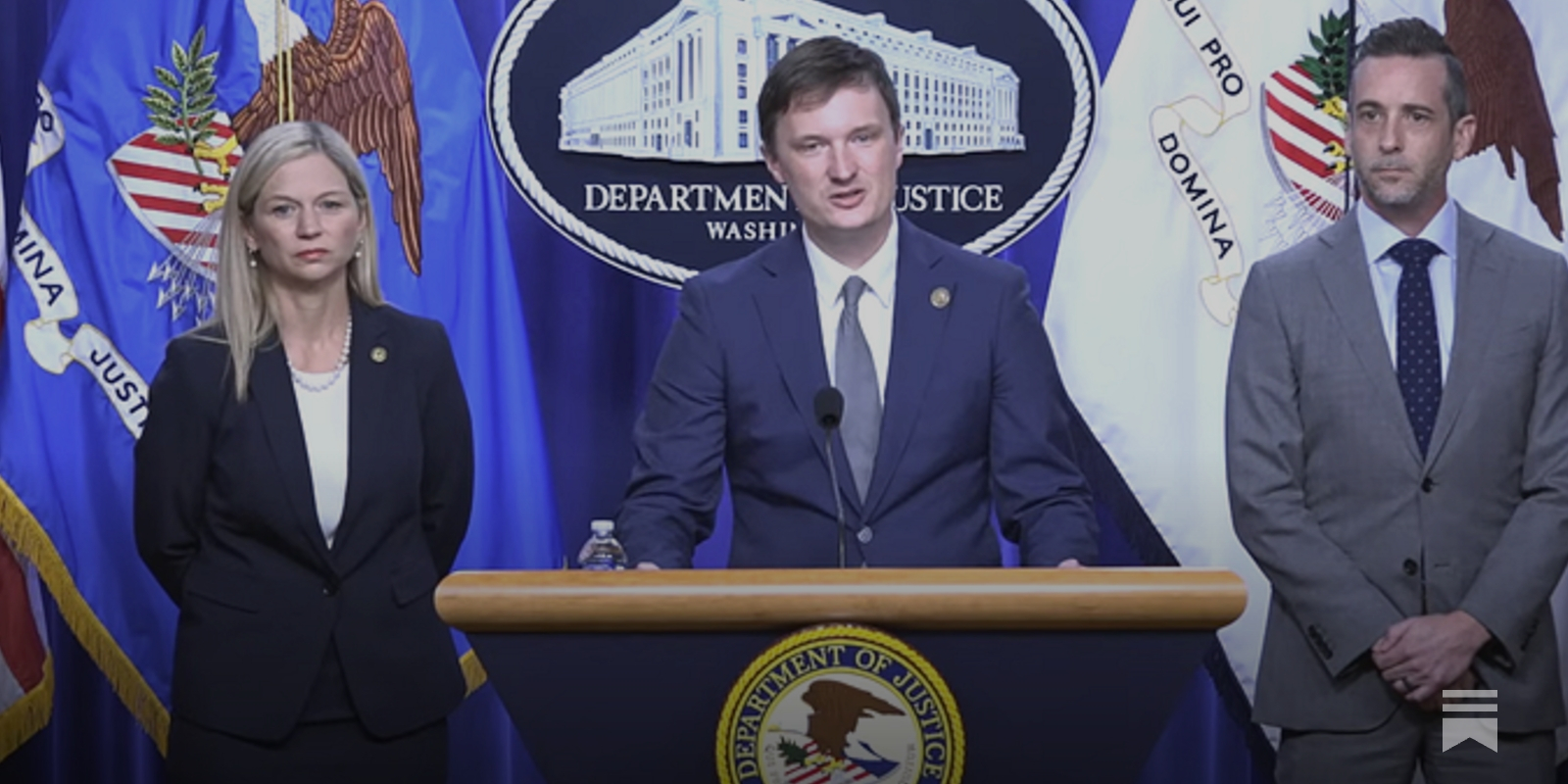
Full Transcript: Michigan Democratic Senate candidate Abdul El-Sayed
By signing up you agree to receive email newsletters or updates from POLITICO and you agree to our privacy policy and terms of service. You can unsubscribe at any time and you can contact us here. This sign-up form is protected by reCAPTCHA and the Google Privacy Policy and Terms of Service apply.

Show your work: The new terms for trust in journalism - PressThink
The transparency movement has finally come of age. Power has shifted to the users. Their trust has to be earned in different ways now.
ĐApps: What Web 3.0 Looks Like
As we move into the future, we find increasing need for a zero-trust interaction system. Even pre-Snowden, we had realised that entrusting our information to arbitrary entities on the internet was fraught with danger. However, post-Snowden the argument plainly falls in the hand of those who believe that large organisations and governments routinely attempt to stretch and overstep their authority. Thus we realise that entrusting our information to organisations in general is a fundamentally broken model. The chance of an organisation not meddling with our data is merely the effort required minus their expected gains. Given they tend to have an income model that requires they know as much about people as possible the realist will realise that the potential for convert misuse is difficult to overestimate.
How not to build trust - Mathew's newsletter
Last Friday I welcomed two "steps in the right direction" from W Social. But timing is everything.
How not to build trust - Mathew's newsletter
Last Friday I welcomed two "steps in the right direction" from W Social. But timing is everything.
Why Should I Trust You?
News Commentary Podcast · Updated Weekly · Bold, unfiltered, and uncompromisingly honest, Why Should I Trust You? is a weekly podcast that looks at the breakdown in trust for science and public health. It drops every Thursday, with occasional…

Stop and Consider:Our campaign
During a federal election there is a large amount of information being distributed, much of it online, which is seeking to influence your vote. Some of this may be disinformation, or false information.

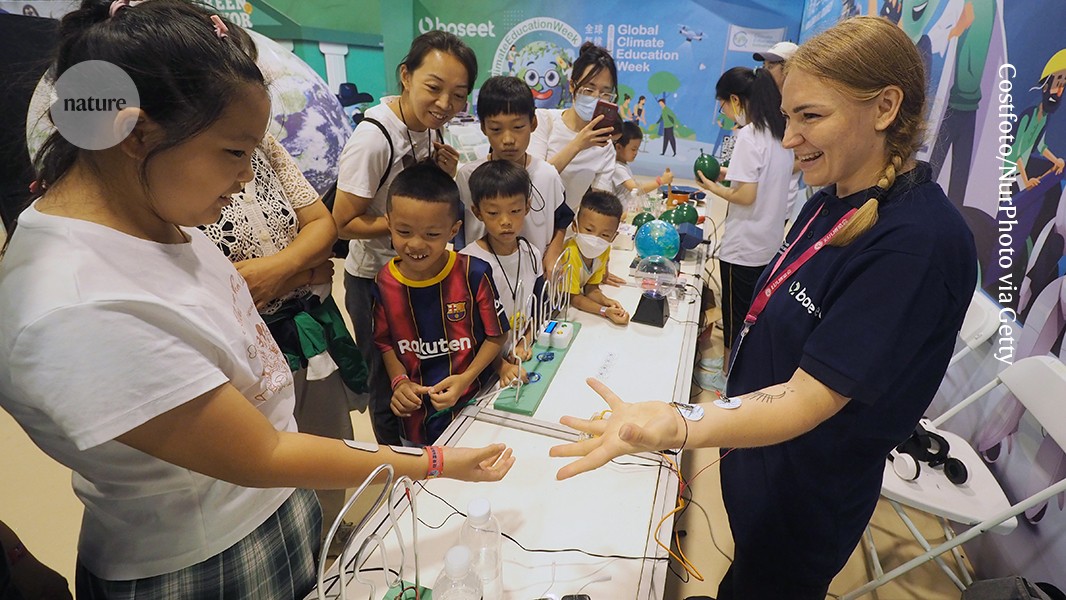
Why we don’t really know what the public thinks about science
Measuring trust isn’t enough. Furthering knowledge about the institutions and norms of science is the best way to build credibility.
Trust: Foundation of Human Knowledge yet online Platforms won't allow | David Karger | TEDxMIT Salon
Moderating With Humans, For Humans - Trust Issues
Moderating With Humans, For Humans - Trust Issues
The Liar’s Dividend: Can Politicians Claim Misinformation to Evade Accountability?
This study addresses the phenomenon of misinformation about misinformation, or politicians "crying wolf"' over fake news. Strategic and false claims that stories are fake news or deepfakes may benefit politicians by helping them maintain support after a scandal. We posit that this benefit, known as the "liar's dividend," may be achieved through two politician strategies: by invoking informational uncertainty or by encouraging oppositional rallying of core supporters. We administer five survey experiments to over 15,000 American adults detailing hypothetical politician responses to stories describing real politician scandals. We find that claims of misinformation representing both strategies raise politician support across partisan subgroups. These strategies are effective against text-based reports of scandals, but are largely ineffective against video evidence and do not reduce general trust in media. Finally, these false claims produce greater dividends for politicians than alternative responses to scandal, such as remaining silent or apologizing.