

Came across this beauty of a Research Note. Looks like it was done by someone at JPL with a HS student. Pulled period and semi-major axis for Kepler and TESS transiting planets from the NASA Exoplanet archive, and verified Kepler's 3rd law. https://t.co/JSIlg6Aw5s— Peter Plavchan (@PlavchanPeter) September 27, 2024
We need more tiny knowledge projects—here’s one
Crowdsourcing dynamic illustrations for a new astronomy book by Terry Tao and Tanya Klowden. The other day I was reading the sample chapter of a new book by Terence Tao and Tanya Klowden, on the so-called cosmic distance ladder. It’s a lovely piece of writing. The chapter tells the story of how Johannes Kepler, using data collected by Tycho Brahe, solved the puzzle of planetary motion. It puts us in the discoverers’ shoes: instead of working backwards from Kepler’s equations, we work forwards from the inexp

Johannes Kepler
Johannes Kepler was a German polymath who was an astronomer, mathematician, astrologer, natural philosopher and music theorist. He is a key figure in the 17th-century Scientific Revolution, best known for his laws of planetary motion, and his books Astronomia nova, Harmonice Mundi, and Epitome Astronomiae Copernicanae. The variety and impact of his work made Kepler one of the founders and fathers of modern astronomy, the scientific method, natural science, and modern science. He has been described as the "father of science fiction" for his novel Somnium.

The Coming Second Copernican Revolution | NOEMA
Astrobiology is rewiring our understanding of the intimate connection between life and planets as they appear in the universe.

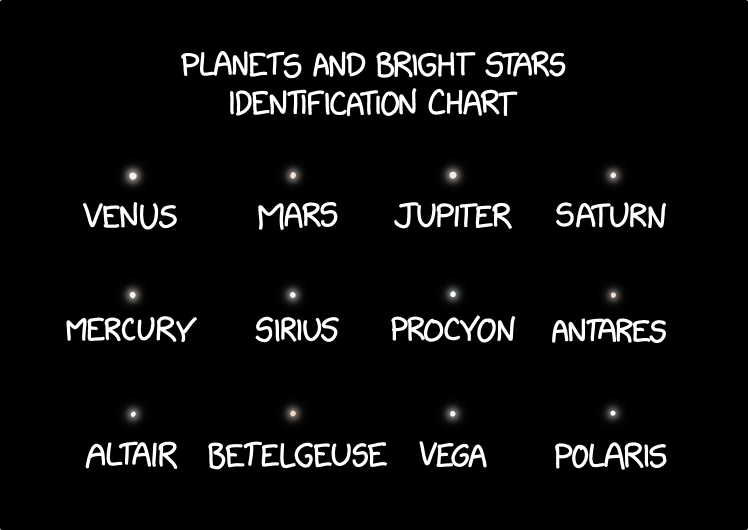
Planets and Bright Stars
This work is licensed under a Creative Commons Attribution-NonCommercial 2.5 License.
NASA Didn't Even Know!!

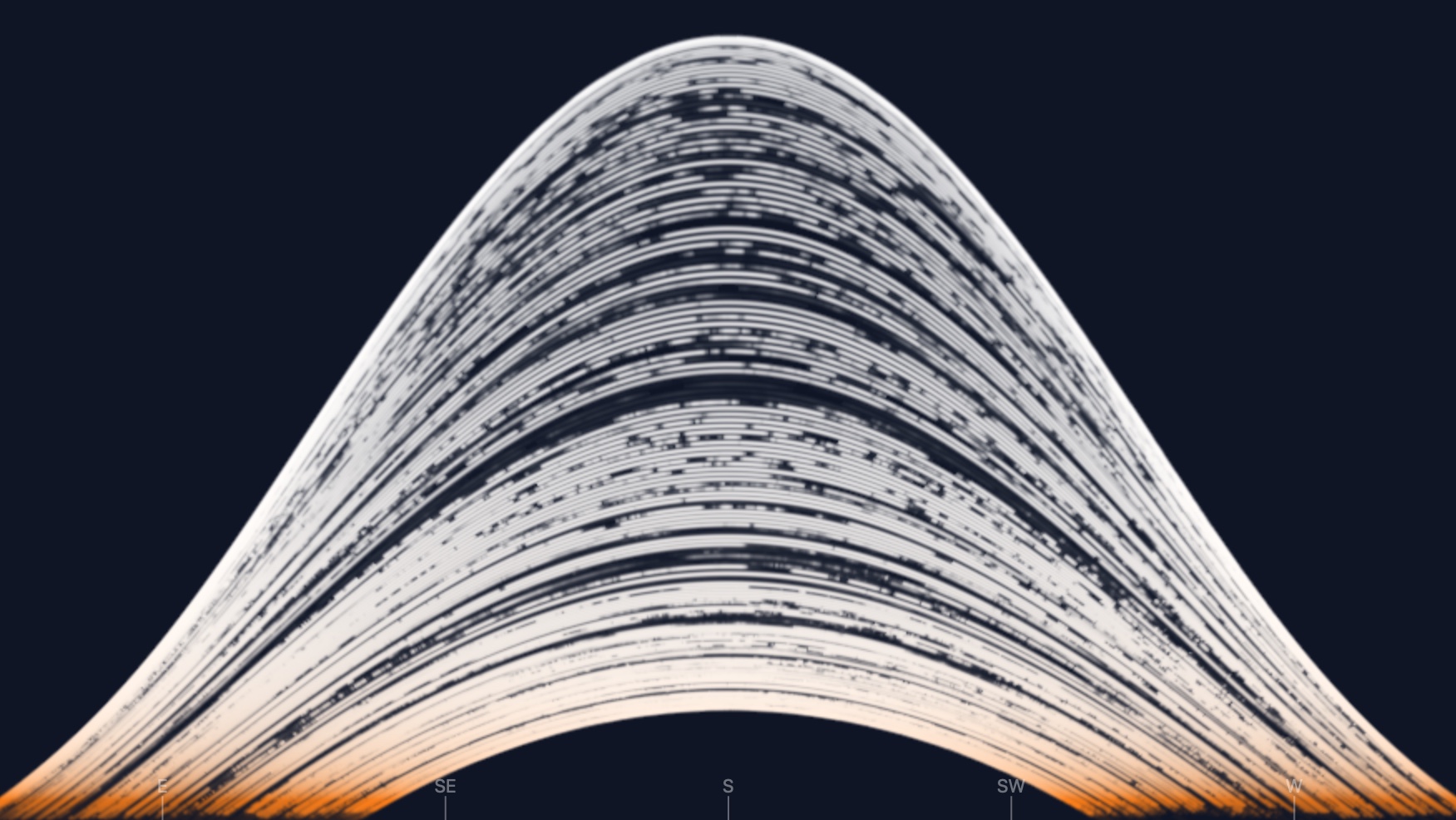
Solargraph Simulator – eagereyes
How a 6-month exposure shows the sun's path across the sky, from solstice to solstice
The Daily Planet #120: Deep Time Continued - The Daily Planet
The Daily Planet #126: A Plausible Dystopia - The Daily Planet
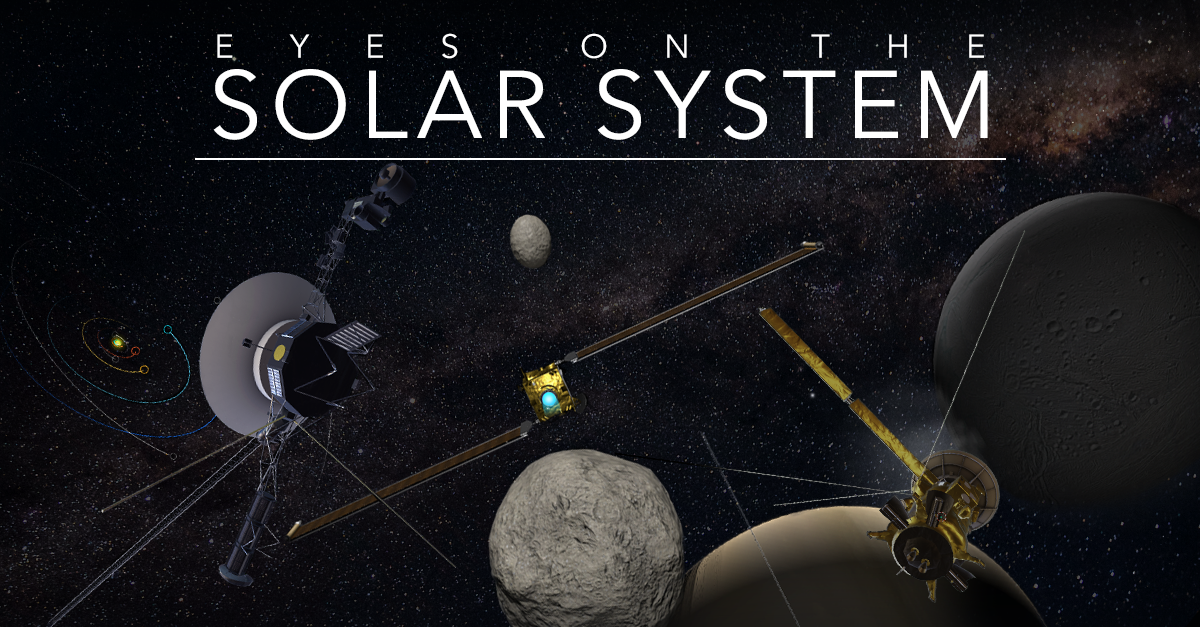
Eyes on the Solar System - NASA/JPL
Explore the 3D world of the Solar System. Learn about past and future missions.
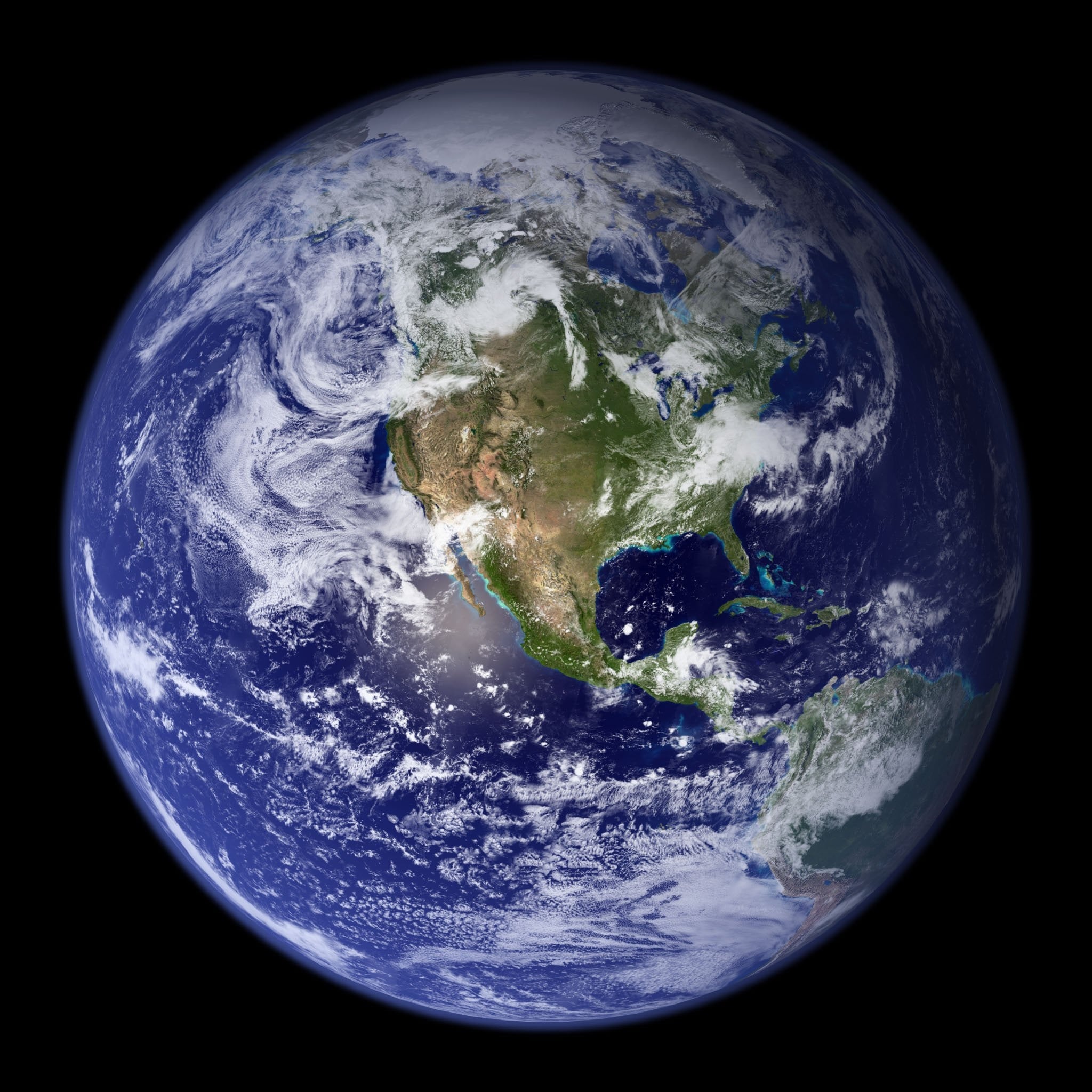
Earth Rotation Records Spur October Vote to Avert Negative Leap Second
Negative leap second risk is driving an October 2026 CGPM vote to replace the 54-year-old leap second with a leap hour. Earth set rotation speed records in 2024 and 2025, and timekeepers estimate a 30% chance the unprecedented event could hit before 2035 — an outcome with no software patch history

Junyu Ren on Twitter / X
How we solved the 70-year-old Pierce–Birkhoff conjecture in real algebraic geometry with $400.One thing we kept noticing: models from different families (including the latest public models from GPT and Claude) seemed to complement each other, even when they were independently… pic.twitter.com/7MzWstXfy6— Junyu Ren (@junyu_r) September 9, 2026

Did a little project this weekend to get caught up with #ATProto dev. Wrote a custom lexicon `com.chrisvanderloo.project`, wrote and published an Astro loader, and loaded my projects section on chrisvanderloo.com directly from my PDS. Package here: github.com/chrisvander/at-astro-loader

GitHub - chrisvander/at-astro-loader: An Astro loader for ATProto data.
github.com