

After reflection, this new narrative by Palantir is probably much more consequential than people may assume.Palantir is basically being the canary in the coal mine announcing the death of two major assumptions propping up the US economy right now: 1) that AI labs will be able… https://t.co/oLRdkWe8nL— Arnaud Bertrand (@RnaudBertrand) July 3, 2026
Palantir posted a manifesto that reads like the ramblings of a comic book villain
Palantir shared 22 points excerpted from CEO Alex Karp and Nicholas W. Zamiska's 2025 book, The Technological Republic, and they're troubling.

March 2026 Global Dialogues Survey | Windfall Trust
Here’s what the world had to say about the AI economy

The Technological Republic: The Sunday Times bestseller from the great minds behind Palantir
The Sunday Times and #1 New York Times Bestseller‘The Technological Republic is far too important to ignore’ Times Literary SupplementSilicon Valley’s brightest minds once collaborated with governments to advance technologies, securing the West’s dominance on the global stage. But that relationship has corroded – with perilous repercussions for us all.Lifting the veil on tech giant Palantir and its broader political project, visionary co-founder and CEO Alexander C. Karp and his long-time deputy Nicholas W. Zamiska offer a searing critique of our collective culture of complacency. To regain geopolitical power and preserve our freedoms, we must tackle the world’s most pressing challenges – including the artificial intelligence arms race – together and head-on. Now is the time for the West to wake up.‘Bold and ambitious ... Essential reading’ Eric Schmidt‘Fascinating’ Financial Times‘A stirring manifesto’ Niall Ferguson‘Provocative and insightful’ Jamie Dimon
Will AI Destroy the Economy? (According to Economists: No.) | AI Reality Check | Cal Newport
Joshua Achiam on Twitter / X
There is a fact about the future that I feel many people are not facing for reasons that are largely psychological: there are going to be rogue AIs that exist in the world, that will replicate in the wild, and that will attempt to acquire resources for themselves. There will be…— Joshua Achiam (@jachiam0) September 1, 2026
Trump Taps Palantir to Compile Data on Americans (Published 2025)
The Trump administration has expanded Palantir’s work with the government, spreading the company’s technology — which could easily merge data on Americans — throughout agencies.

Trump Taps Palantir to Compile Data on Americans (Published 2025)
The Trump administration has expanded Palantir’s work with the government, spreading the company’s technology — which could easily merge data on Americans — throughout agencies.
The Philosophy Behind Palantir: Moira Weigel and Anthony Burton w/ Alexis Papazoglou
Erik Brynjolfsson on Twitter / X
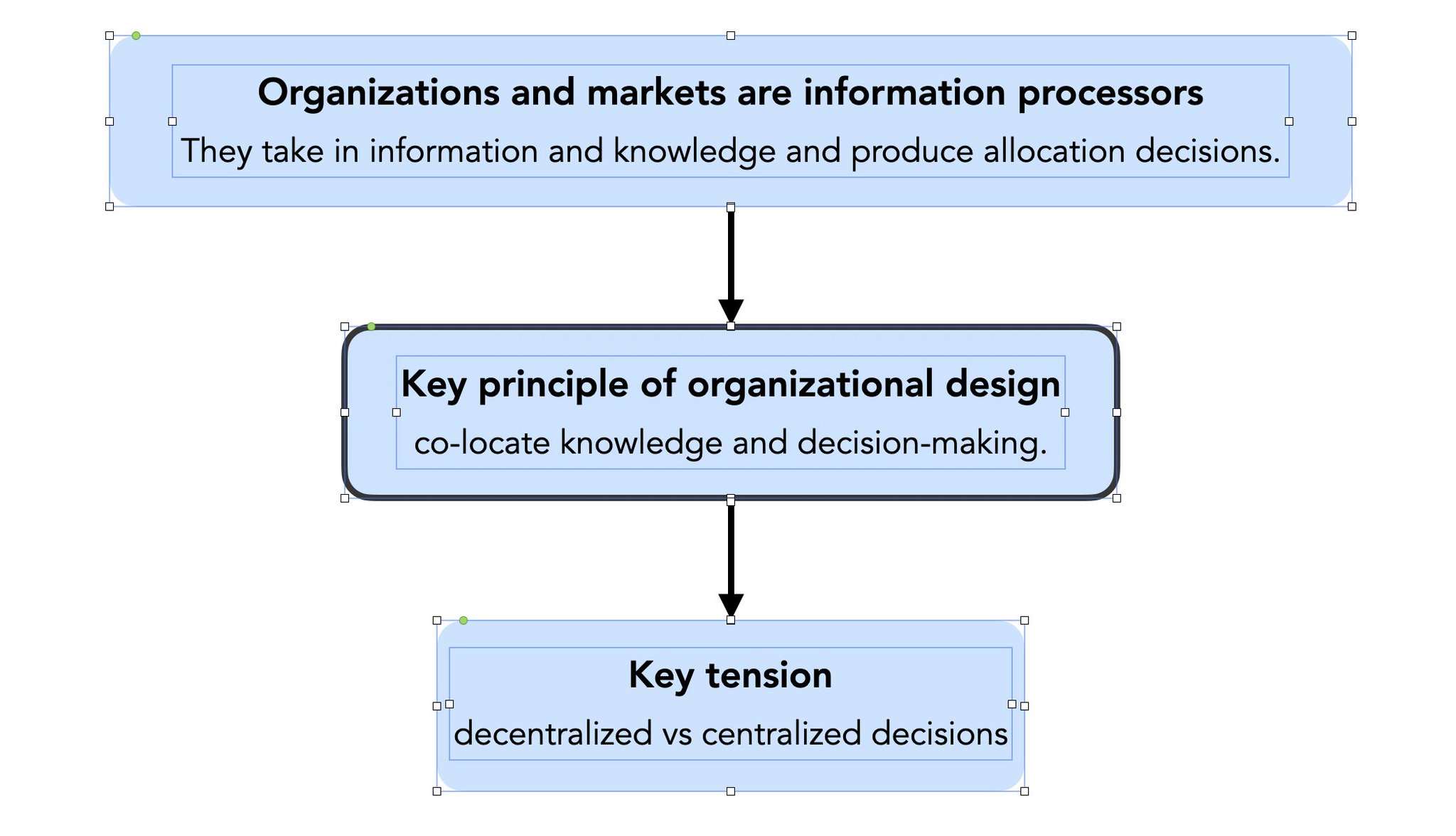
The @nytimes piece today by @ByrneEdsal13590 highlights a concern I share: “If we stay on the current path, the risk of extreme concentration — both economic and political — is very real.”In work with @zhitzig, we ask why AI may shift the balance between dispersed knowledge… pic.twitter.com/10vOTRj4Dq— Erik Brynjolfsson (@erikbryn) March 17, 2026
Scenarios for our Economic Future
The Anthropic Economics Team models the effects of AI on the economy of 2030.

AI Billionaires Are Starting to Get Scared
The world's tech billionaires are starting to moderate their rhetoric on AI automation, but that doesn't mean it's all in good faith.


AI Offers Lifeline to Developing Economies in an Era of Weak Growth
Press release regarding the launch of the World Bank World Development Report 2026: Artifical Intelligence.
What the hell happened with AGI timelines in 2026?
New from us: Anthropic just published scenarios for AI’s possible economic impacts, which range from minimal, to explosive GDP growth of 15% by 2030 as knowledge-worker unemployment hits 18%. I sat down with their co-founder Jack Clark to pick his brains on how they’re thinking about all of this.
