This is absolutely brilliant, by legendary Australian investor John Hempton, who explains the core financial paradox at the heart of the AI story (and which also, to some extent, may explain the Jensen Huang story).The numbers say that about $7 trillion in AI compute is set to… pic.twitter.com/5BwbZQ7qHe— Arnaud Bertrand (@RnaudBertrand) November 13, 2026
AI's Economics Don't Make Sense
If you liked this piece, please subscribe to my premium newsletter. It’s $70 a year, or $7 a month, and in return you get a weekly newsletter that’s usually anywhere from 5,000 to 18,000 words, including vast, detailed analyses of NVIDIA, Anthropic and OpenAI’s finances,

Meredith Whittaker on Twitter / X
Now that even Goldman, Sequoia, and other major investors are calling it, it's good to remember that the shakiness of the AI market, and the mismatch between capex and ROI, has been clear for a long time to those of us who look closely at the political economy of AI. https://t.co/dLLNAcW5Sn— Meredith Whittaker (@mer__edith) July 30, 2024
AI's Trillion-Dollar Opportunity: Sequoia AI Ascent 2025 Keynote
The Simple Macroeconomics of AI
This paper evaluates claims about large macroeconomic implications of new advances in AI. It starts from a task-based model of AI’s effects, working through aut

I'm Not Convinced The AI Bubble Exists
The AI bubble is a speculative concept that the AI industry is extremely over-valued. If true, the value of most companies involved in AI (several of whom are worth well over a trillion dollars) will collapse, devastating the entire economy. If you check any online discussion about the financial situation …

AI Doesn't Have ROI
If you liked this piece, you should subscribe to my premium newsletter. It’s $70 a year, or $7 a month, and in return you get a weekly newsletter that’s usually anywhere from 5,000 to 18,000 words, including vast, detailed analyses of NVIDIA, Anthropic and OpenAI’s
"AI" is Automated Inequality
Tech bros still dominate the discussions about so-called "AI" with false claims. Even most "AI"-critical researchers spend much of their time meticulously debunking (always only a subset of) claims, leaving vast areas of the economic consequences of "AI" unexplored. (Even the "AI"-evangelist Economi

Built on Shared Knowledge: What the World Wants from AI Wealth
AI labs and policymakers are focusing on AI dividends to address economic insecurity. We asked 1,041 people across 64 countries what they actually want from AI wealth.

Thousands of CEOs just admitted AI had no impact on employment or productivity—and it has economists resurrecting a paradox from 40 years ago | Fortune
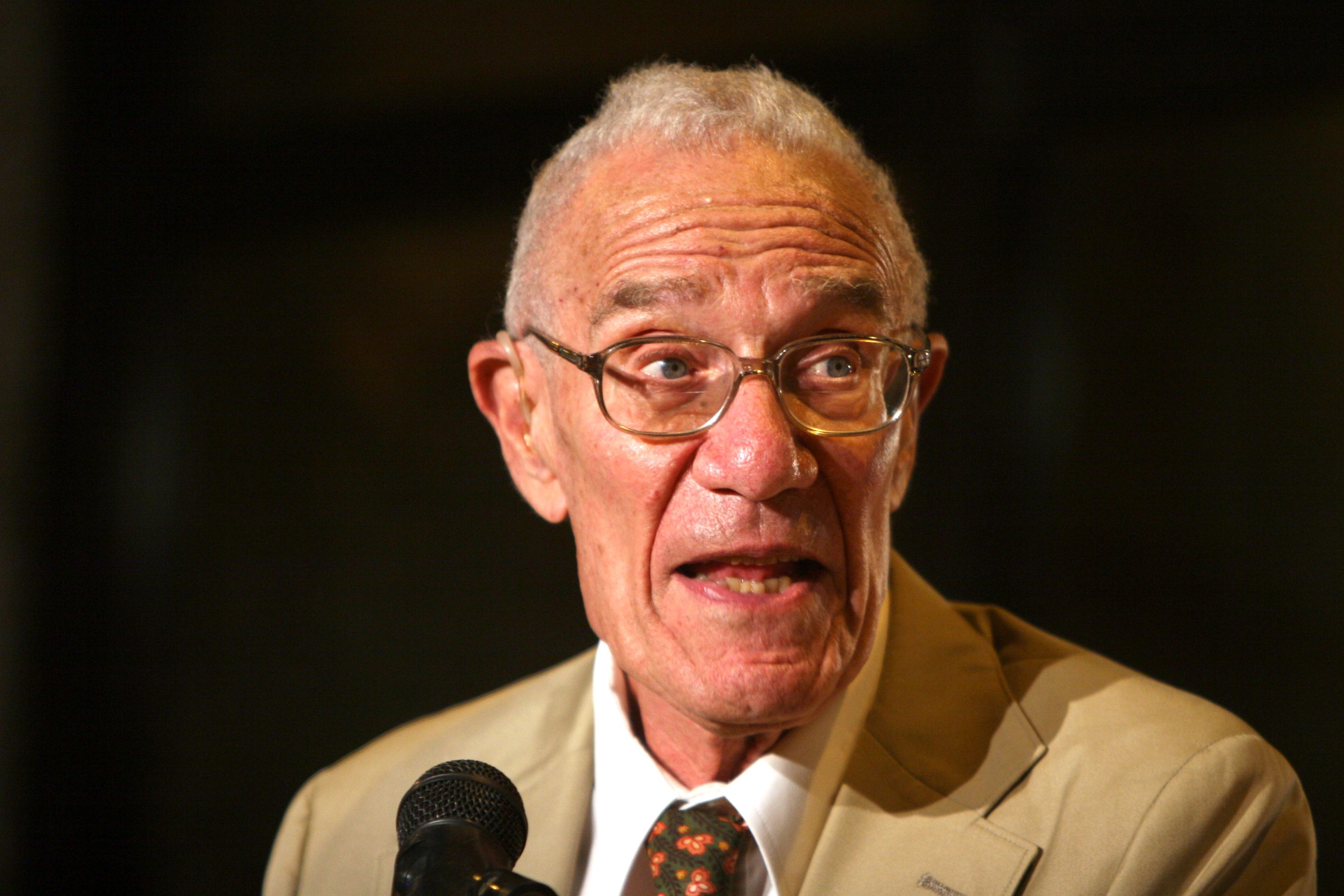
In the 1980s, economist Robert Solow made an observation that reminded economists of today’s AI boom: “You can see the computer age everywhere but in the productivity statistics.”


Thousands of CEOs admit AI had no impact on employment or productivity—and it has economists resurrecting a paradox from 40 years ago | Fortune
In the 1980s, economist Robert Solow made an observation that reminded economists of today’s AI boom: “You can see the computer age everywhere but in the productivity statistics.”
AI is probably not a bubble
AI companies have revenue, demand, and paths to immense value
AI is probably not a bubble
AI companies have revenue, demand, and paths to immense value
The Subprime AI Crisis Is Here
Hi! If you like this piece and want to support my independent reporting and analysis, why not subscribe to my premium newsletter? It’s $70 a year, or $7 a month, and in return you get a weekly newsletter that’s usually anywhere from 5,000 to 18,000 words,
March 2026 Global Dialogues Survey | Windfall Trust
Here’s what the world had to say about the AI economy