

Curious what part you are referring to with the rigid separation. Do you mean the transport layer? for https://t.co/8FTKZKOQh0, i've been using the hidden "in memory" transport in their SDKs and it erases the transport layer. It just makes the calls a local function call.— Benjamin Eckel (@bhelx) March 7, 2025
Transferable objects - Lightning fast | Blog | Chrome for Developers
With transferable objects, data is transferred from one context to another. It is zero-copy, which vastly improves the performance of sending data to a Worker.
Transferable objects - Web APIs | MDN
Transferable objects are objects that own resources that can be transferred from one context to another, ensuring that the resources are only available in one context at a time. Following a transfer, the original object is no longer usable; it no longer points to the transferred resource, and any attempt to read or write the object will throw an exception.

DiffusionGemma as Jev: Open-Source vLLM Patch (2026) | explainx.ai Blog
A vLLM contributor built an open-source Jev clone using DiffusionGemma — roughly matching TypeSafe's proprietary model on accuracy.
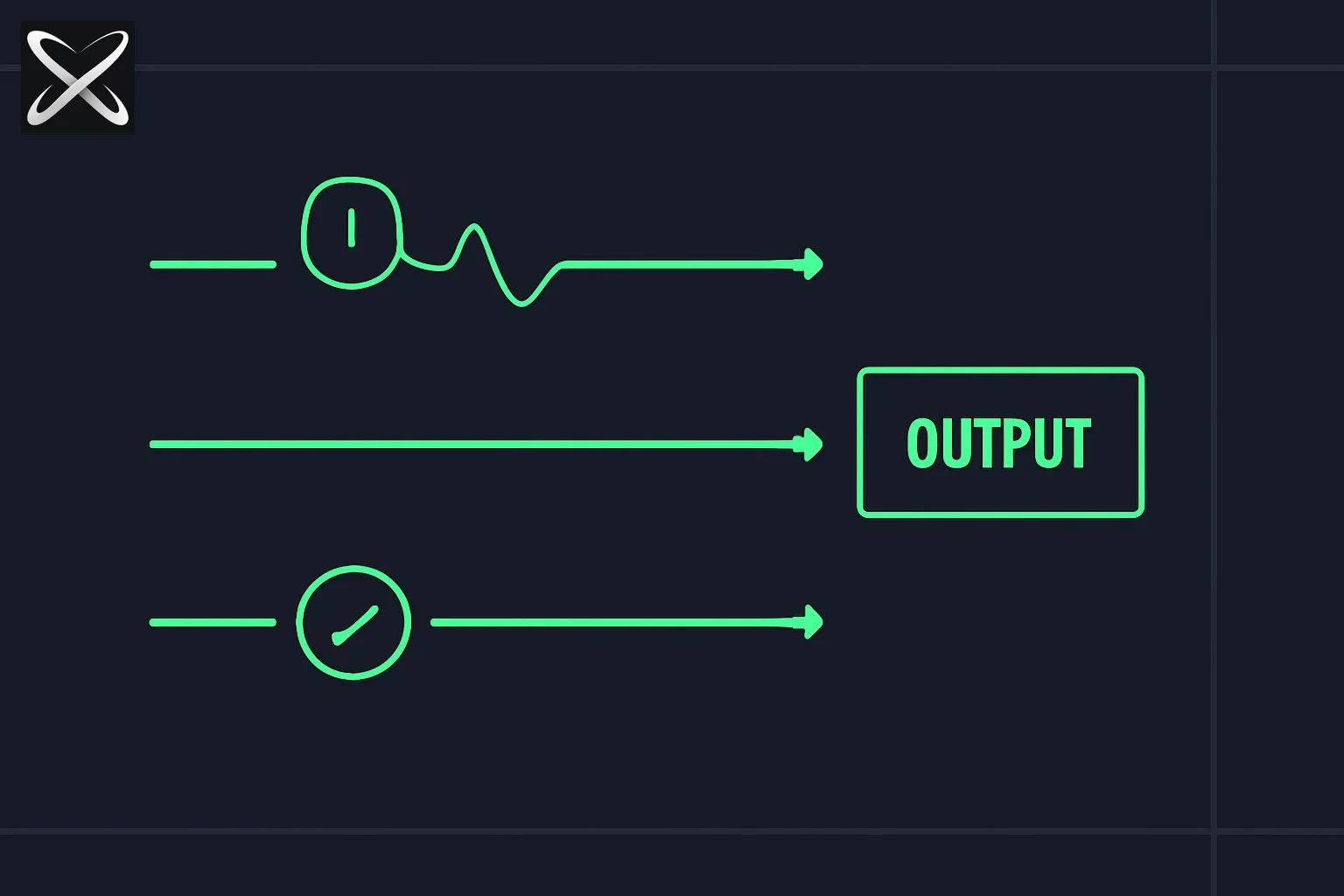
libkrun/libkrun
A dynamic library providing Virtualization-based process isolation capabilities
Linux Internals: How /proc/self/mem writes to unwritable memory - offlinemark
Introduction An obscure quirk of the /proc/*/mem pseudofile is its “punch through” semantics. Writes performed through this file will succeed even if the destination virtual memory is marked unwritable. In fact, this behavior is intentional and actively used by projects such as the Julia JIT comp

Spaces as Layers - Nick's Blog
Public anchor records paired with sidecar records in permissioned spaces give ATProtocol apps a composable pattern for blending open discoverability with controlled access.
Implementation Divergences · Issue #12 · DavidBuchanan314/millipds
The concrete behaviour of this implementation may diverge from that of the reference impl (that lives in https://github.com/bluesky-social/atproto), sometimes on purpose, sometimes accidentally, so...
Layered protocols
Layering is a special form of modularity that restricts interactions between modules. A module assigned to a layer can use any of the modules in the same or in a lower layer; however, it cannot use a module belonging to a higher layer.
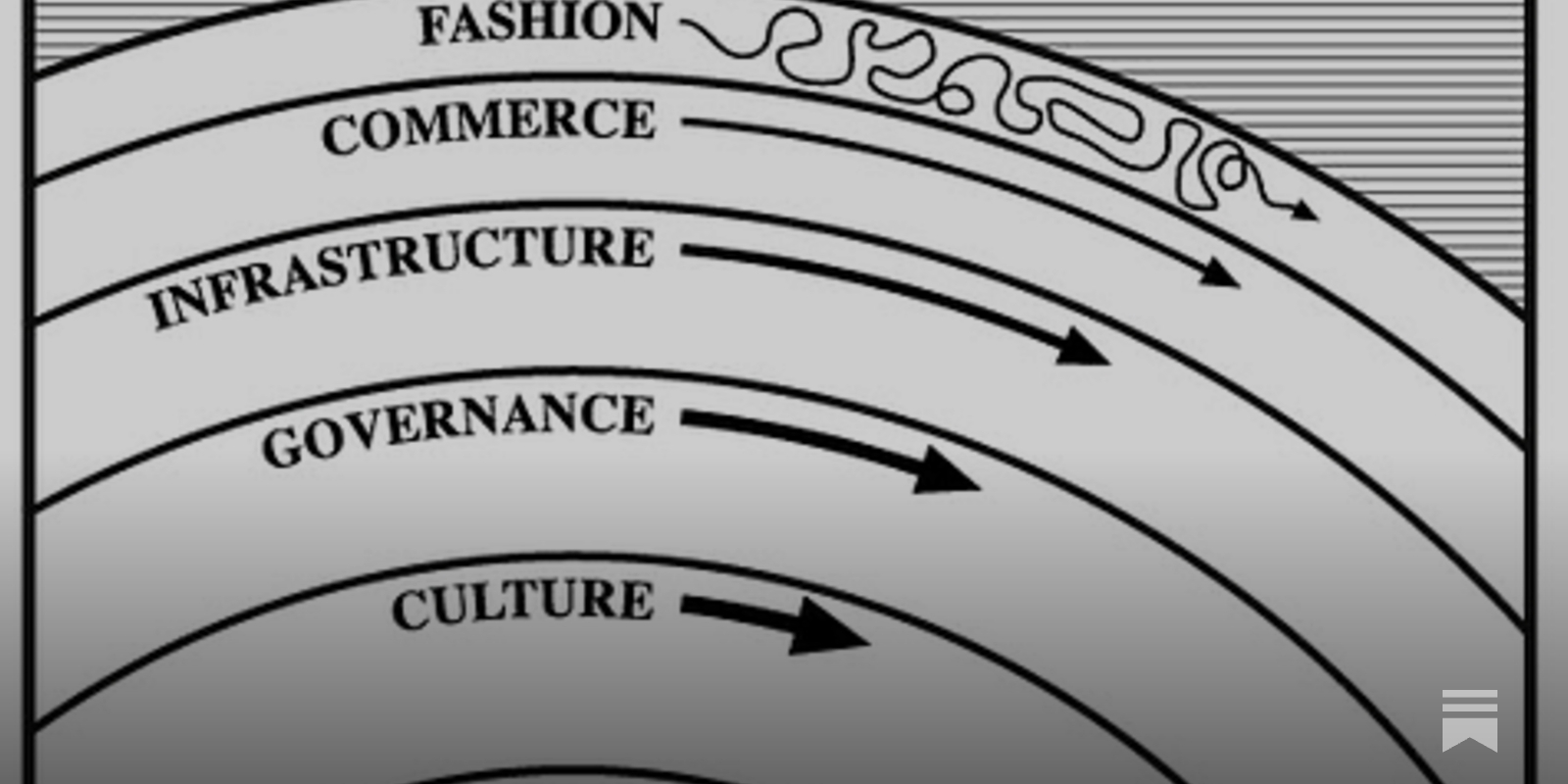
Diversity-enabled sweet spots in layered architectures and speed–accuracy trade-offs in sensorimotor control | PNAS
Nervous systems sense, communicate, compute, and actuate movement using distributed components with severe trade-offs in speed, accuracy, sparsity,...

From Lume to Containerization: Our Journey Meets Apple's Vision | Cua Blog
Apple's Containerization framework announcement confirms we're on the right path. Here's what we're looking forward to.
I suspect we’ll see a bunch of apps that leverage atproto’s did:plc identity layer but store data out of band.

boltless
Been tinkering with what cloud functions could look like on AT Proto by storing WASM blobs. Influenced by the IPVM design of my big brain former co-workers from Fission github.com/avivash/at-functions
GitHub - avivash/at-functions
github.comBeen tinkering with what cloud functions could look like on AT Proto by storing WASM blobs. Influenced by the IPVM design of my big brain former co-workers from Fission github.com/avivash/at-functions
GitHub - avivash/at-functions
github.com

