

I wrote a cosmology paper that's under peer review.I can't post it to arXiv because I don't have a university affiliation.If any of you happen to have published in astro-ph. CO, gr-qc, or hep-ph and can endorse me, I'd owe you one.#AcademicTwitter #PhysicsTwitter #Cosmology…— Brandon Yates (@bmichaelyates) March 13, 2026
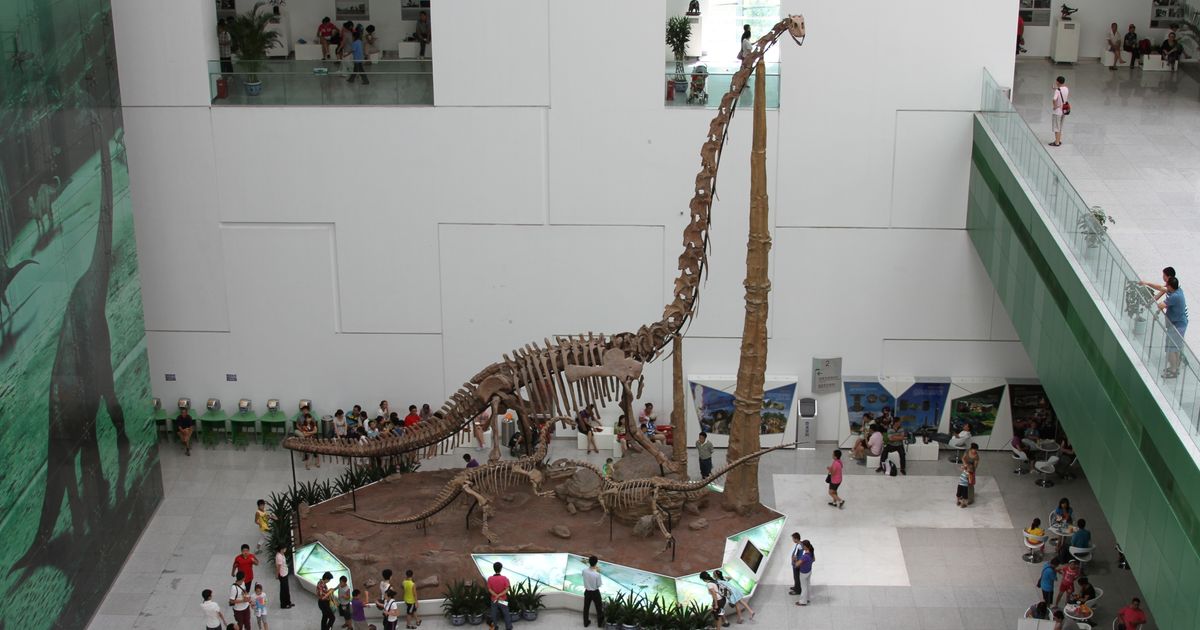
The era of precision cosmology with voids
Cosmic voids, the large underdense regions of our Universe, have emerged over the past decade as powerful cosmological laboratories: their simple dynamics, sensitivity to local gravitational...

Science e-Books - NASA Science
From the planets to black holes in distant galaxies, explore NASA science, imagery, and missions through our library of free, downloadable e-books.
The Astrosky Ecosystem
We're building social media tools for the astronomy & space science communities. From feeds to hosting, we're billionaire-proofing scientific discussion for good.
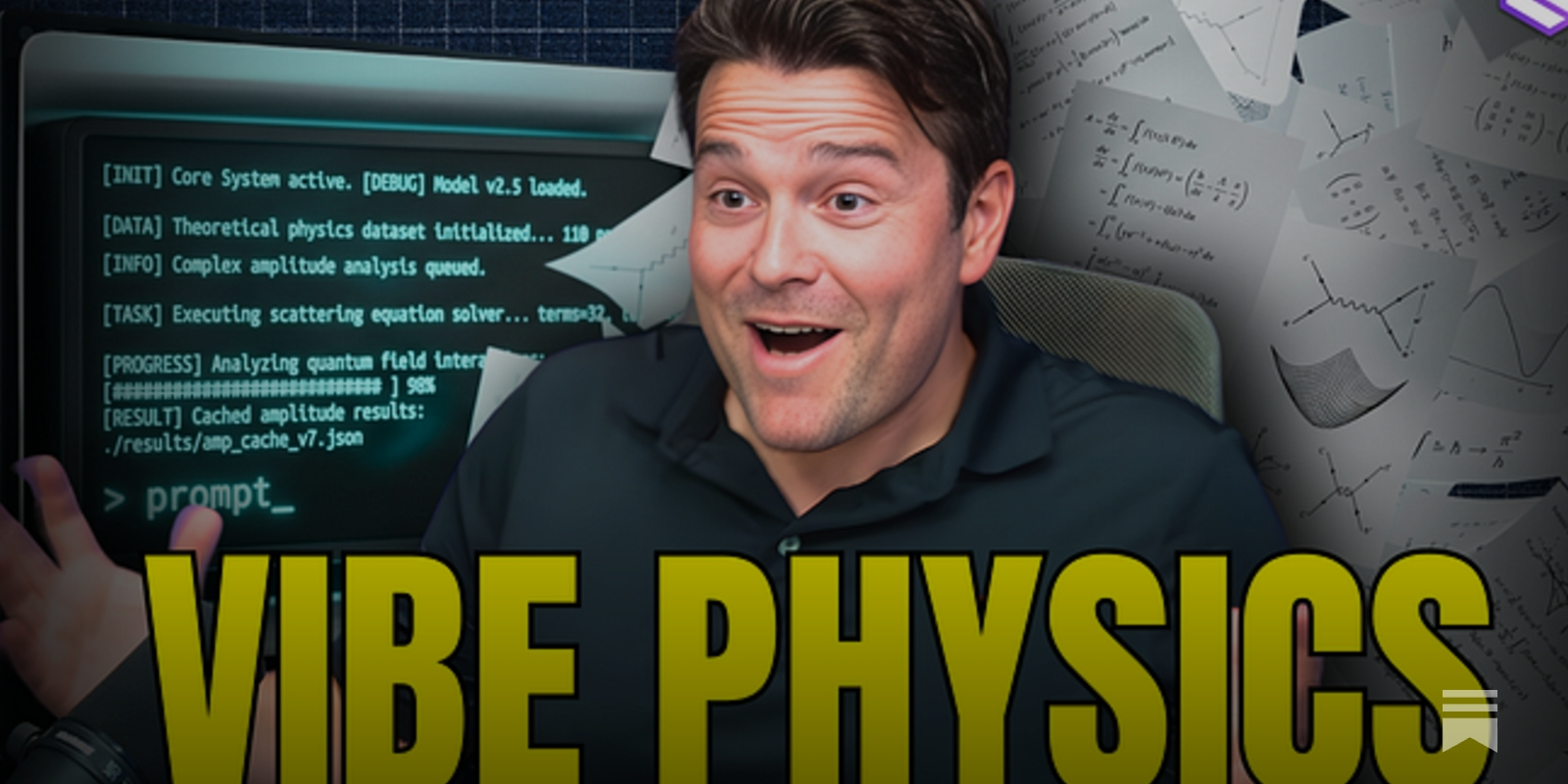
🔬Doing Vibe Physics — Alex Lupsasca, OpenAI
The full story of how GPT‑5.x derived new results in theoretical physics and quantum gravity.
Precision cosmology with voids in the final BOSS data
We report novel cosmological constraints obtained from cosmic voids in the final BOSS DR12 dataset. They arise from the joint analysis of geometric and dynamic distortions of average void shapes...
Dan Singleton 🏳️🌈🏳️⚧️ on Twitter / X
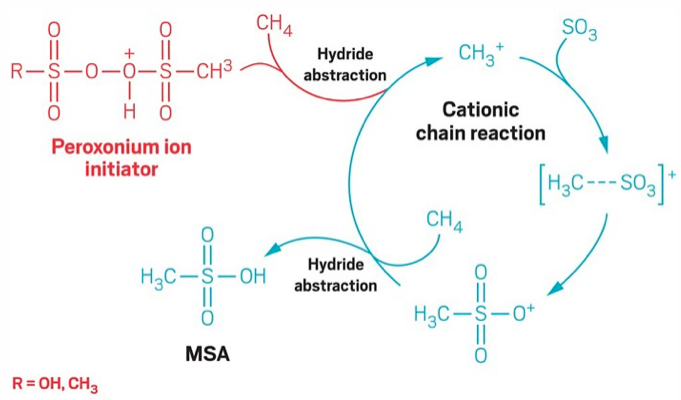
1. Ok, this is the thread to end all threads, or possibly my career. I am about to trash a new paper in @sciencemagazine, its editors, its reviewers, C&E News, others who stated or wrote adoring commentaries, anyone who looked at the paper or its commentaries without seeing pic.twitter.com/K5O1cX1BJP— Dan Singleton 🏳️🌈🏳️⚧️ (@dasingleton) April 8, 2019
📄 For You by @spacecowboy17.bsky.social
Same as For You, but only posts linking to scientific papers. https://foryou.club

Thomas G. Dietterich on Twitter / X
We are seeing a new trend in submissions to @arxiv (and presumably to conferences and journals): Authors submitting papers whose contents they likely do not understand. 1/— Thomas G. Dietterich (@tdietterich) September 13, 2026
Cosmological constraints from the BOSS DR12 void size function
We present the first cosmological constraints derived from the analysis of the void size function. This work relies on the final BOSS DR12 data set, a large spectroscopic galaxy catalog, ideal for...
rohit on Twitter / X
One of the most fun papers I've read in recent times. Excellent. Reminiscent of the good old days of science papers. pic.twitter.com/4a7qRTloSG— rohit (@krishnanrohit) December 30, 2024

steve hsu on Twitter / X
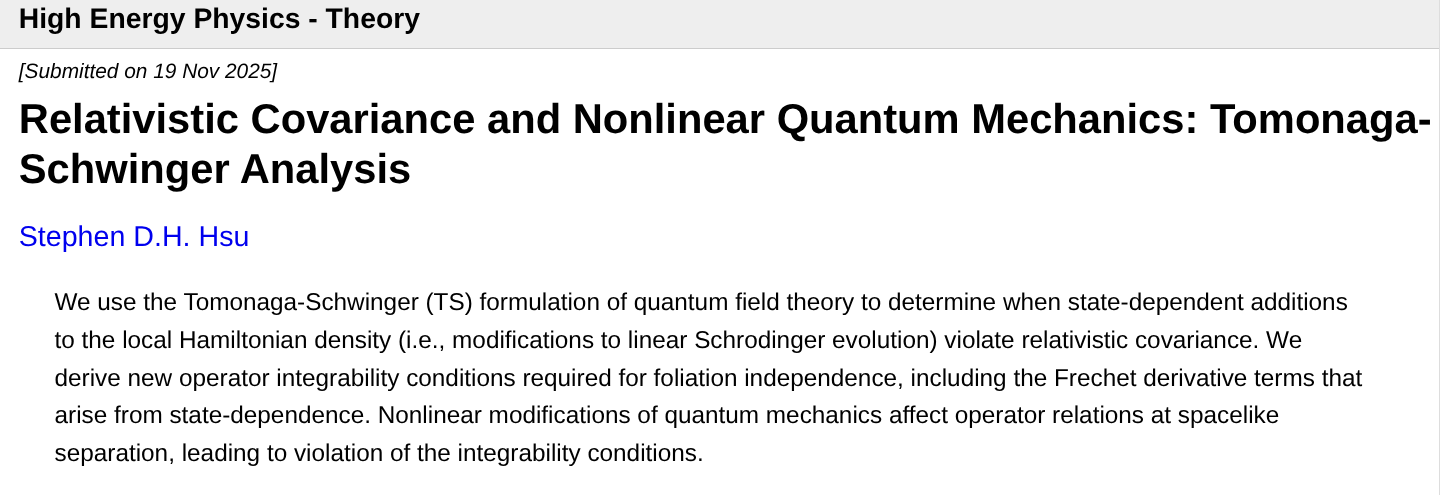
I think I’ve published the first research article in theoretical physics in which the main idea came from an AI - GPT5 in this case. The physics research paper itself (on QFT and state-dependent quantum mechanics) has been published in Physics Letters B.I've written an… pic.twitter.com/6IYDTS2JAt— steve hsu (@hsu_steve) December 3, 2025
HOME | Unlock Astrology
Unlock Astrology with Sam Reynolds, professional astrologer making astrology practical, insightful, and easy to understand.

Guest post: If you’re going to critique science, be scientific about it
Loren K. Mell Editor’s note: This post responds to a Feb. 13 article in The Atlantic, “The Scientific Literature Can’t Save Us Now,” written by Retraction Watch cofounders Adam Marcus and Ivan Oran…

Jason Shepherd on Twitter / X
I have quite a lot of thoughts on this..that won't fit in a tweet. Bottomline is that there are issues scientists in the US would love to improve - faster review, less grant writing, more stability and freedom to do risky science. The folks celebrating this doc are mostly../1 https://t.co/xlPAH9XYNC— Jason Shepherd (@JasonSynaptic) July 23, 2026