

Y Combinator is predicated on startups that require low capitalization since most of the technology they depend on is already mostly developed. This was true pre-2015 where startups depended on commodity open source software, the smartphone capitalized by Apple and others, cloud…— Brad Neuberg (@bradneuberg) September 16, 2024
The Second Smartphone Revolution - AVC
Benedict Evans tweeted out this chart yesterday: We sometimes think of the shift to mobile as finished, or almost finished. It isn’t. pic.twitter.com/l5gaiMlaoU — Benedict Evans (@BenedictEvans) March 12, 2016 The first 2.5bn smartphones brought us Instagram, Snapchat, Uber, Whatsapp, Kik, Venmo, Duolingo, and most importantly, drove the big web apps to build world class […]
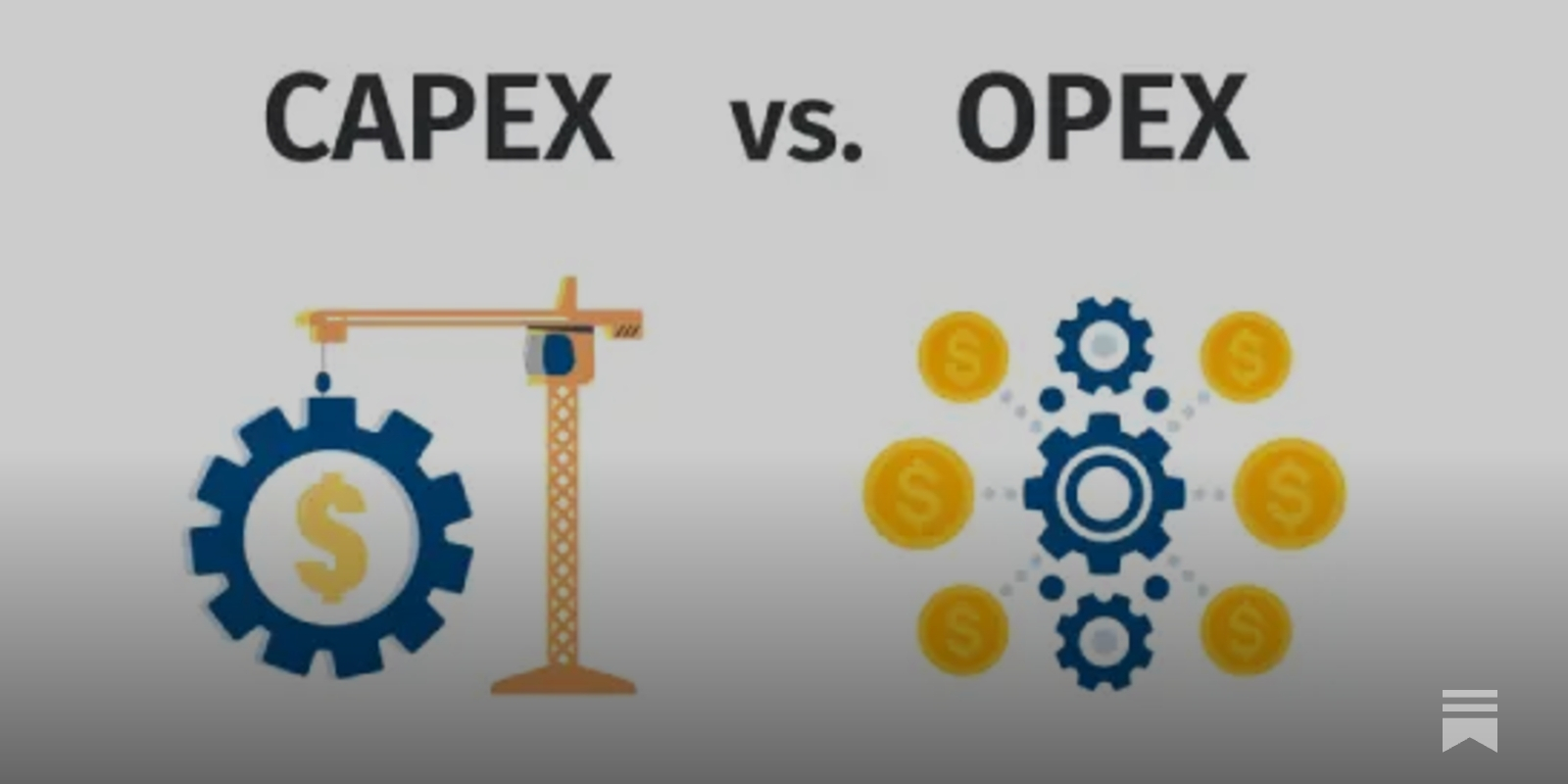
Anything That Can Be Capitalized Eventually Gets Operationalized
A structural pattern has reshaped servers, labor, and software licenses. AI is now running the same playbook — simultaneously — on software production and human capital.
Minimum Viable Infrastructure
Minimum Viable Infrastructure Innovation often emerges not solely from brilliant ideas but from the infrastructure readiness that makes those ideas viable. Consider the progression of mobile consumer internet applications over the past two decades: Twitter, Instagram, Snapchat, TikTok. Their lau...

Coopting Disruption
Our economy is dominated by five aging tech giants – Alphabet, Amazon, Apple, Meta, and Microsoft. In the last twenty years, no company has commercialized a new

Why Apple and Google are struggling to design simple software
Is Apple losing its crown as the champion of simplicity? Maybe. But for a very good reason.
It’s actually open source software that's eating the world
At Lightspeed we’ve been investing aggressively in open source software (OSS) businesses for the past 10 years. Recently, we’ve seen a significant increase in entrepreneurs pitching open source startups, and we’ve also seen greater competition for these deals. We pulled together some numbers in an attempt to measure the acceleration in interest in and funding for OSS businesses in the last few years. The results were staggering even to us.
GREG ISENBERG on Twitter / X
Apple JUST quietly announced something that’s a lot BIGGER than it looks: "the Mini Apps Partner Program"Apple is admitting that the future of software is embedded, lightweight, vertical mini-apps distributed inside bigger appFor founders who want to make $$ building apps:… pic.twitter.com/jZz7dU6w07— GREG ISENBERG (@gregisenberg) November 14, 2025

Sustainable Indie Software — Helftone
We have seen a large shift in the app economy over the past 7 years which has had a huge impact on indie software. In many ways, we have regressed to state which is simply unsustainable in the long term. If you only look at the highly publicised successes, you might assume independent developers are rolling in cash. Do not be fooled, the situation on the ground, especially on iOS, is actually very different – many indies are struggling to make a living.
It Was Never About Innovation
This is the first in a series of articles about innovation and open computing. Because it’s a holiday time of year in the USA, I’ve decided that these next few articles will be a detour…
GREG ISENBERG on Twitter / X
I think the most interesting thing about Jack Dorsey's "Slack killer" is the idea around shared compute.I haven't seen people talk about it so here are my thoughts FWIW:Open models got good, close enough to the paid frontier stuff to run for real. But the strongest ones need… https://t.co/b5PBgYjAGL— GREG ISENBERG (@gregisenberg) July 25, 2026
Joseph Jacks bets on open source startups, a 'paradox of philanthropy and capitalism' | TechCrunch
Joseph Jacks and OSS Capital have sought some of the earliest stage open source startups, and funded them through their formative years.

All Things Sales! 16 Mini-Lessons for Startup Founders | Andreessen Horowitz
As a former CEO and software engineer (Citrix, XenSource, VERITAS, etc.), board member of GitHub (recently acquired by Microsoft), and lecturer in management at the Stanford Graduate School of Busines, a16z general partner Peter Levine is constantly asked “Why sales?” by entrepreneurs and technical founders. He himself used to hold the “engineer-centric” view that if...

The Money In Open-Source Software | TechCrunch
It’s no secret that open-source technology -- once the province of radicals, hippies and granola eaters -- has gone mainstream. According to industry estimates, more than 180 young companies that give away their software raised roughly $3.2 billion in financing from 2011 to 2014. Despite the growing popularity of open-source software, though, many open-source companies are not financially healthy.

The Rise of the Silicon Valley Small Business
What you need to know about the next big startup archetype
@ricardo.bsky.social talked about this too, most atmospheric apps are going to be ground-up, tasteful businesses not startups. But atmospheric infrastructure has a path to receive startup-level investing because the speculative value can be huge.

AT Protocol Developers
A decentralized protocol upends everything we know about building for the internet, including how to build a business. @ricardo.bsky.social has some insights on the way forward. atproto.com/off-protocol/2026-10-02-the-o…

