

The best journal article titles tell you what the study actually found, rather than being a teaser to make you read the paper. Here's a good example: "Spaced mathematics practice improves test scores and reduces overconfidence" https://t.co/iXxdkAgYPM ($)— Dylan Wiliam (@dylanwiliam) December 31, 2024
Spaced mathematics practice improves test scores and reduces overconfidence
Abstract The practice assignments in a mathematics textbook or course can be arranged so that most of the problems relating to any particular concept are massed together in a single assignment, or these related problems can be distributed across many assignments–a format known as spaced practice. Here we report the results of two classroom experiments that assessed the effects of mathematics spacing on both test scores and students' predictions of their test scores. In each experiment, students in Year 7 (11–12 years of age) either massed their practice into a single session or divided their practice across three sessions spaced 1 week apart, followed 1 month later by a test. In both experiments, spaced practice produced higher test scores than did massed practice, and test score predictions were relatively accurate after spaced practice yet grossly overconfident after massed practice.

Math Academy
Q. Michael Pershan’s main critique of spaced repetition in the context of Math Academy?A. It reinforces his memory of a shallow understanding.
Study Hacks - Decoding Patterns of Success - Cal Newport
The Study Hacks blog by author and professor Cal Newport - on deep work, success, productivity, work-life balance.
Fleetwood on Twitter / X
Studying continual learning at the moment, best papers thus far:https://t.co/Y9oXBAiyj2https://t.co/ByWlaF3ncnhttps://t.co/hG0XIzq6cHhttps://t.co/5VSEnBIkX2— Fleetwood (@fleetwood___) April 11, 2026
Cas (Stephen Casper) on Twitter / X
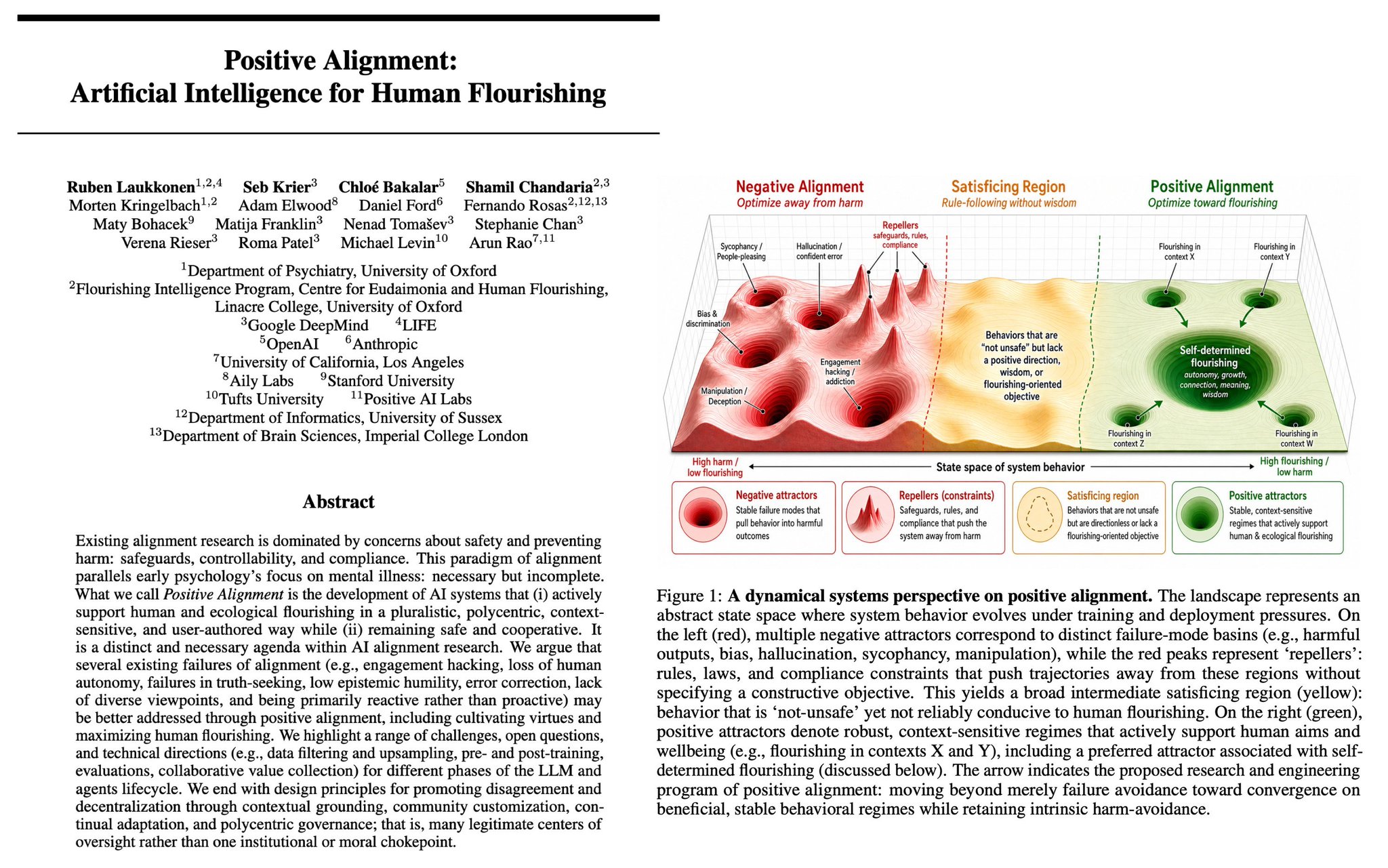
It is hard to overstate how disappointing I think this new paper from Oxford, OpenAI, Anthropic, and Google (et al) is. I can't take it seriously as academic work, just as propaganda. It also has some very bad scholarship and questionable adherence to research ethics. Having… pic.twitter.com/Z5fBx360ya— Cas (Stephen Casper) (@StephenLCasper) May 13, 2026
Study Guide: One Day, Everyone Will Have Always Been Ag…
Analyzing literature can be hard — we make it easy! Thi…

Learning How to Learn (And 20+ Studies) – Max's Two Cents
I have been interested in cognitive science and effective learning methods for years. I’ve read multiple books and articles and put many ideas to test. In this post, I aim to synthesize my notes and provide references to scientific studies.
Study Guide: The Peripheral by William Gibson (SuperSum…
Analyzing literature can be hard — we make it easy! Thi…

Using spaced repetition systems to see through a piece of mathematics
By Michael Nielsen, January 2019

Daron Acemoglu on Twitter / X
I recommend Columbia mathematician Michael Harris’s wide-ranging, informative and thought-provoking essay in Boston Review on AI and mathematics:https://t.co/txwAd8ri4xHarris rightly worries about the possible negative effects of AI-generated proofs and mathematics on…— Daron Acemoglu (@DAcemogluMIT) June 16, 2026
Mathematics in the Library of Babel — Daniel Litt
Mathematics isn't only about saying true things. It's about asking the right questions, being confused, stumbling about, getting distracted, being wrong, recognizing when you're wrong, being stuck. Mostly being stuck. It's about clinging to a giant edifice and feeling it out until you understand som

Are Scientific Papers Bad?
Good news, everyone! I have a short piece coming out in The Conversation on Monday that explains the main issues with this study. It's impossible for me to have the same media reach as the original press release. So I'd be extremely grateful if people could help me share it as widely as possible 🙏

G. Willow Wilson
Good news, everyone cnn.com/2026/05/14/health/arts-ageing…
Has anyone looked at this paper more closely? I've seen many of my bachelor students refer to it when it comes to depressive disorders. Authors find worldwide depression rates doubled from 1990 to 2020, which seems like a lot. pubmed.ncbi.nlm.nih.gov/40313474/

Trends in Prevalent Cases and Disability-Adjusted Life-Years of Depressive Disorders Worldwide: Findings From the Global Burden of Disease Study From 1990 to 2021 - PubMed
pubmed.ncbi.nlm.nih.govAt today's #IC2S2 Methods and Measurement session, Linnea Gandhi @linneagandhi.bsky.social presented her study with Elizabeth Tipton and Duncan Watts, which tests whether research syntheses can predict the results of new studies and highlights the challenges of producing generalizable knowledge.


