

My design philosophy for @obsdmd: it should be intuitive for beginners but have infinite depth for advanced users.Like going to the beach. You start in the shallow waters, and can stay there as long as you like, or keep swimming out into the ocean.— kepano (@kepano) May 23, 2024
A deep-as-you-like dive into the ATmosphere
An unfinished multilayered explainer into how Bluesky and the rest of the ATmosphere works.
What we want is a hunter gatherer lifestyle with space age tools
Those who are convinced that there is more to things spend their time chasing it and not finding it often as not, and those who are convinced there isn't find themselves frustrated at the abyss.
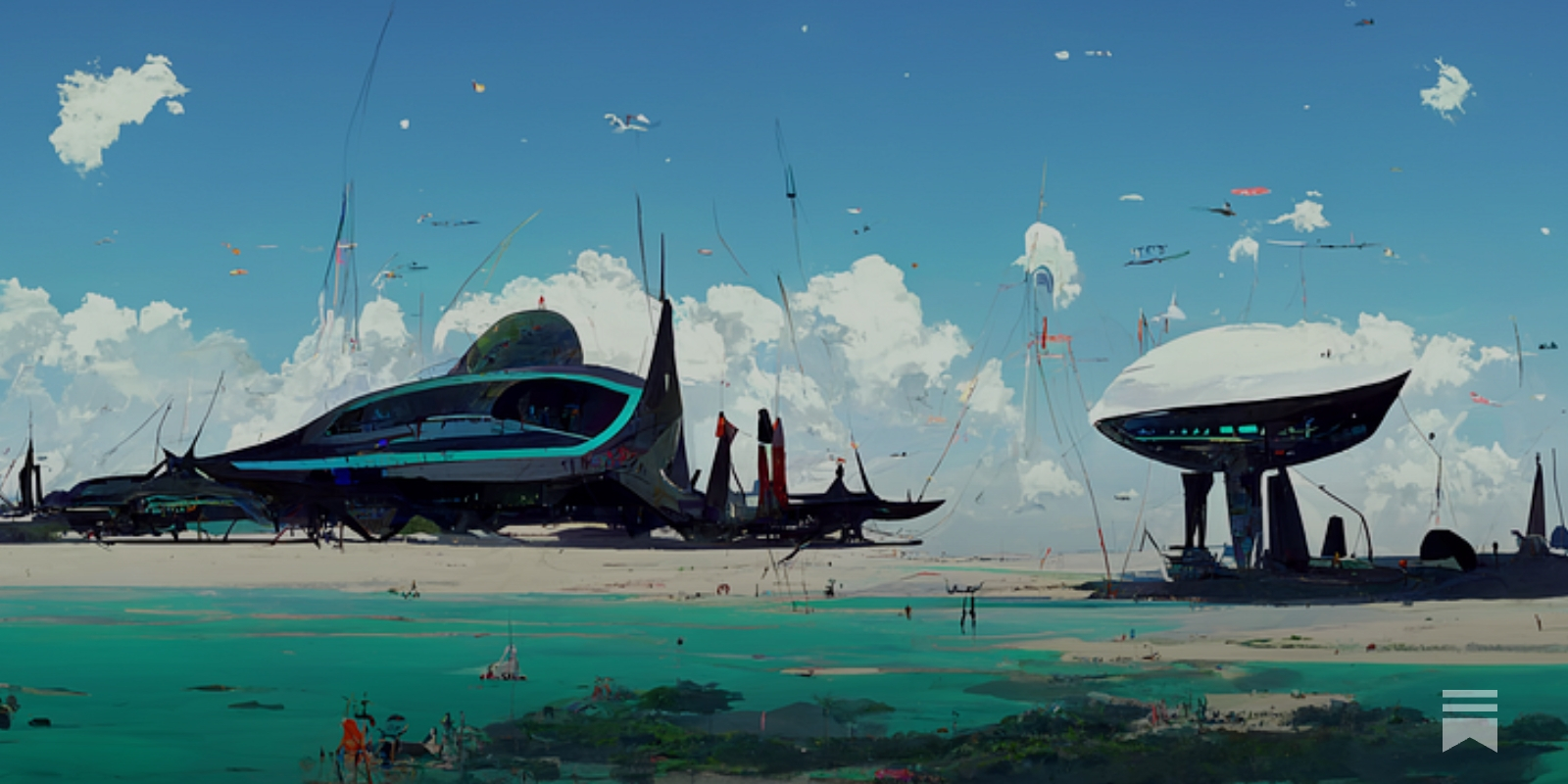
Atswim | Swimming, in the open
Explore public pool-swimming activities published on ATproto.

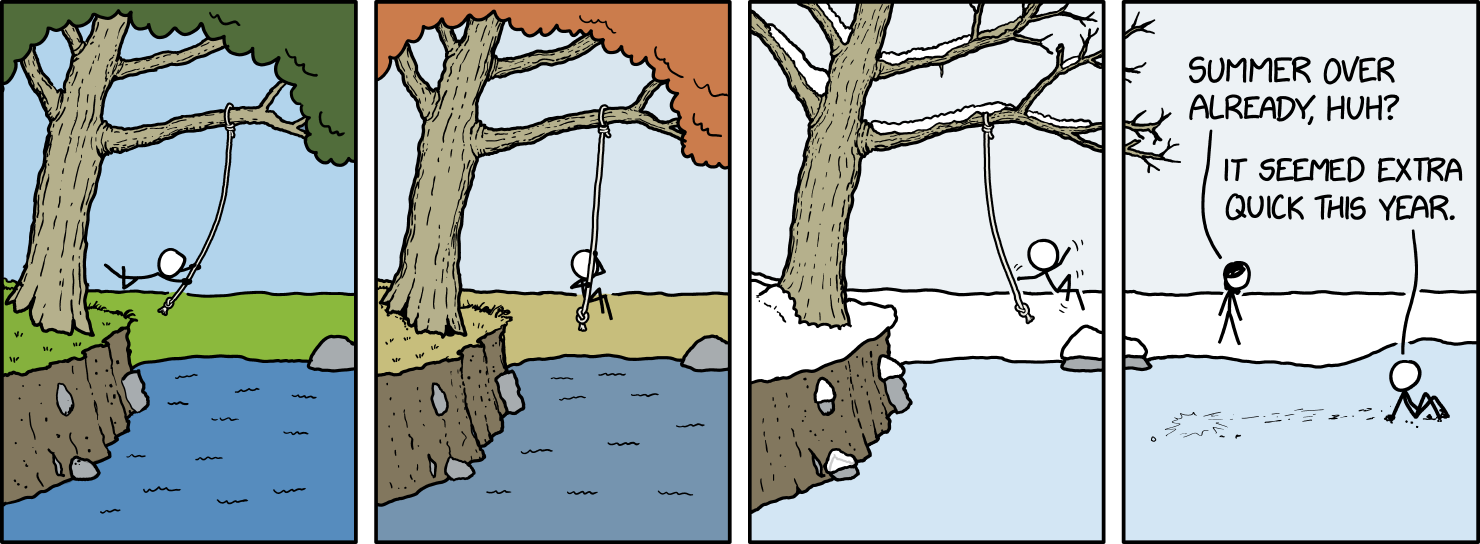
Opinion | What Swimming Taught Me About Happiness (Published 2019)
Lesson No. 1: It’s not about how fast you can go.

Create Realistic Ocean water EASY & Low cost
Training a vision model, or how I learned to stop worrying and love dataset curation
Note: this is not some beginners guide, or how-to. Its an experiment in high dimensional space manifold gymnastics. Quick links to the model and dataset if you don’t care for the narrative version: This is the Badger Model 55 Water Meter: This thing sucks to read. Get down on your knees, enjoy the cement floor of a dark basement room, pull out a flash light and just try to guess if water is leaking from somewhere. The water company knows what they bill you, but your costs jump around li...

Small worlds — Stylized dioramas
Six interactive miniature worlds. Wander through an Italian harbor, a Japanese garden, a tropical island, a neon alley, forest ruins, and a sunken garden.
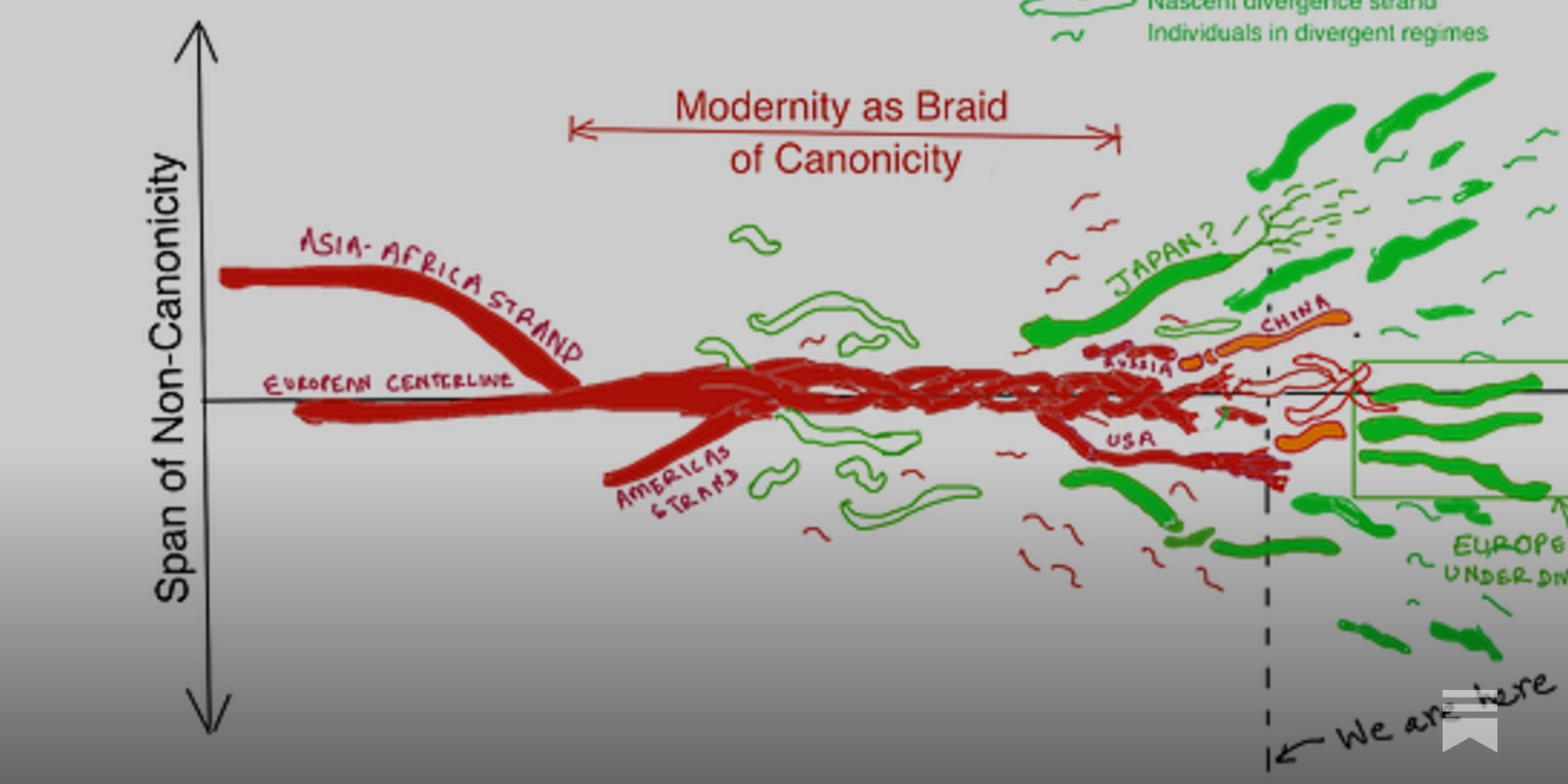
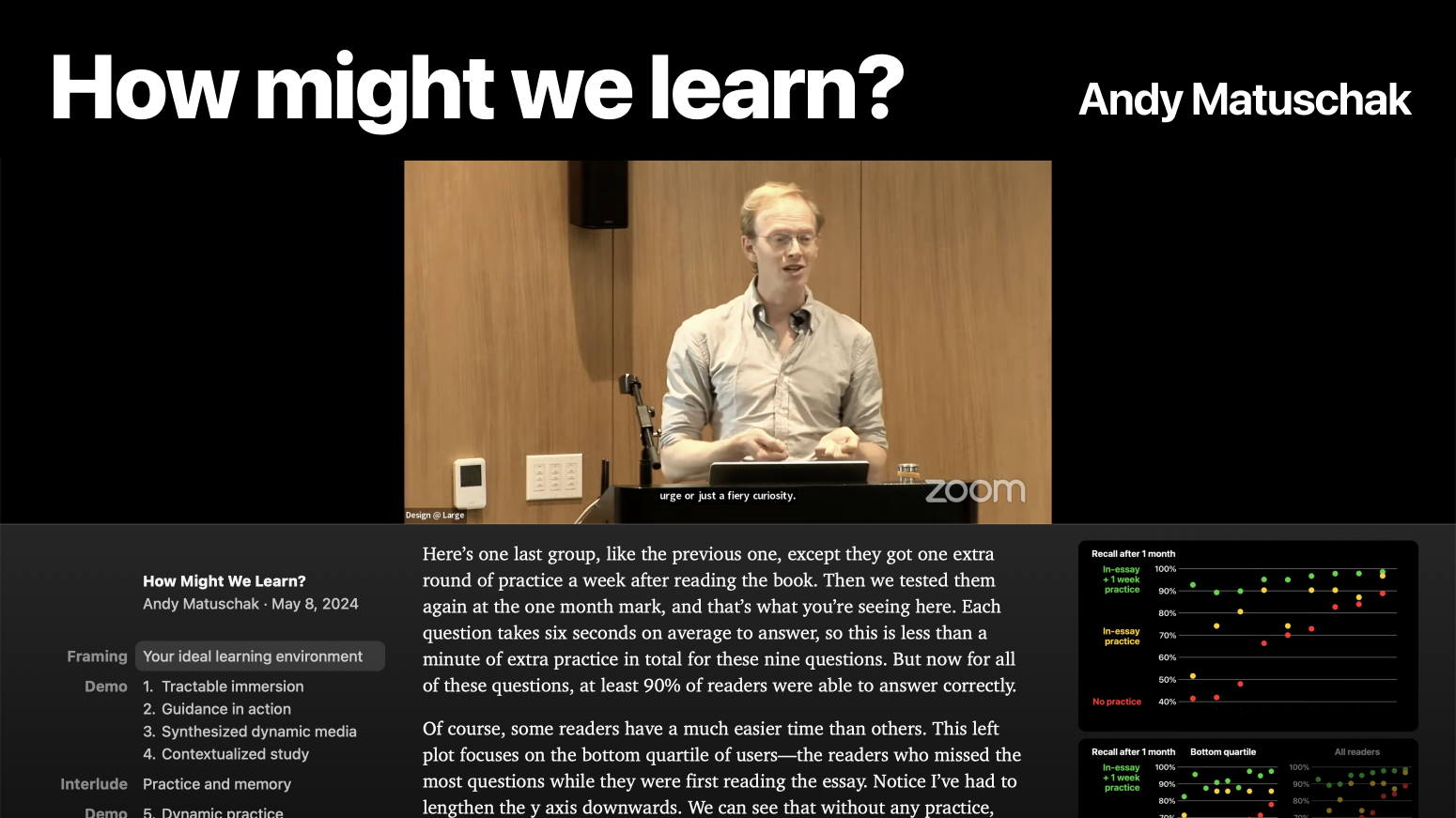
On Verticality
Explorations into the human need to escape the surface of the earth. A mashup of architecture, aeronautics, evolutionary psychology, anthropology, anatomy and human pre-history

Surf – Join the Surf Beta Waitlist
Surf – Join the Surf Beta Waitlist
» Sea of Crises
Hakuho bends into a deep squat. He claps twice, then rubs his hands together. He turns his palms slowly upward. He is bare-chested, 6-foot-4 and 350 pounds. His hair is pulled up in a topknot. His smooth stomach strains against the coiled belt at his waist, the literal referent of his rank: yokozuna, horizontal rope. Rising, he lifts his right arm diagonally, palm down to show he is unarmed. He repeats the gesture with his left. He lifts his right leg high into the air, tipping his torso to the left like a watering can, then slams his foot onto the clay. When it strikes, the crowd of 13,000 souls inside the Ryogoku Kokugikan, Japan’s national sumo stadium, shouts in unison: “Yoisho!” — Come on! Do it! He slams down his other foot: “Yoisho!” It’s as if the force of his weight is striking the crowd in the stomach. Then he squats again, arms held out winglike at his sides, and bends forward at the waist until his back is near parallel with the floor. Imagine someone playing airplane with a small child. With weird, sliding thrusts of his feet, he inches forward, gliding across the ring’s sand, raising and lowering his head in a way that’s vaguely serpentine while slowly straightening his back. By the time he’s upright again, the crowd is roaring.

Home - FLI Worldbuilding Contest
It is frequently practiced by creative writers and scriptwriters, providing the context and backdrop for stories that take place in future, fantasy or alternative realities. Worldbuilding is a tool that can help us explore possible futures for our own world. It helps us better understand what sorts of worlds we may find more or less desirable, and how we might get to there. World builds don’t always have to be grounded in reality, but for our worldbuilding contest we asked contestants to make their imagined worlds plausible and aspirational. To better understand the constraints and ground rules that were used for this contest, visit the Rules page prior to exploring the worlds.