


hyperpolitics by anton jäger is to the 2020s what capitalist realism by mark fisher was to the 2010s pic.twitter.com/7Wjscq7lNi— /leftypol/ - leftypol.org (@leftypol_org) September 13, 2026
Capitalist Realism: Is There No Alternative?
It is easier to imagine the end of the world than the end of capitalism. After 1989, capitalism has successfully presented itself as the only realistic political-economic system - a situation that the bank crisis of 2008, far from ending, actually compounded. The book analyses the development and principal features of this capitalist realism as a lived ideological framework. Using examples from politics, film (Children Of Men, Jason Bourne, Supernanny), fiction (Le Guin and Kafka), work and education, it argues that capitalist realism colors all areas of contemporary experience, is anything but realistic and asks how capitalism and its inconsistencies can be challenged. It is a sharp analysis of the post-ideological malaise that suggests that the economics and politics of free market neo-liberalism are givens rather than constructions. New Edition includes:Forward by Zoe Fisher, Mark’s wife, talking about Mark as a personIntroduction by Alex Niven, his friend and colleague, talking about the political significance of the book thirteen years after it was writtenAfterword by Tariq Goddard, the original editor and publisher, describing the writing and editing of the book, its original reception, and Mark’s own view of it"A quick and entertaining read." Socialist Standard "A provocative and necessary read...for anyone wanting to talk seriously about the politics of education today. " Times Higher Educational Supplement
The Syllabus on Twitter / X
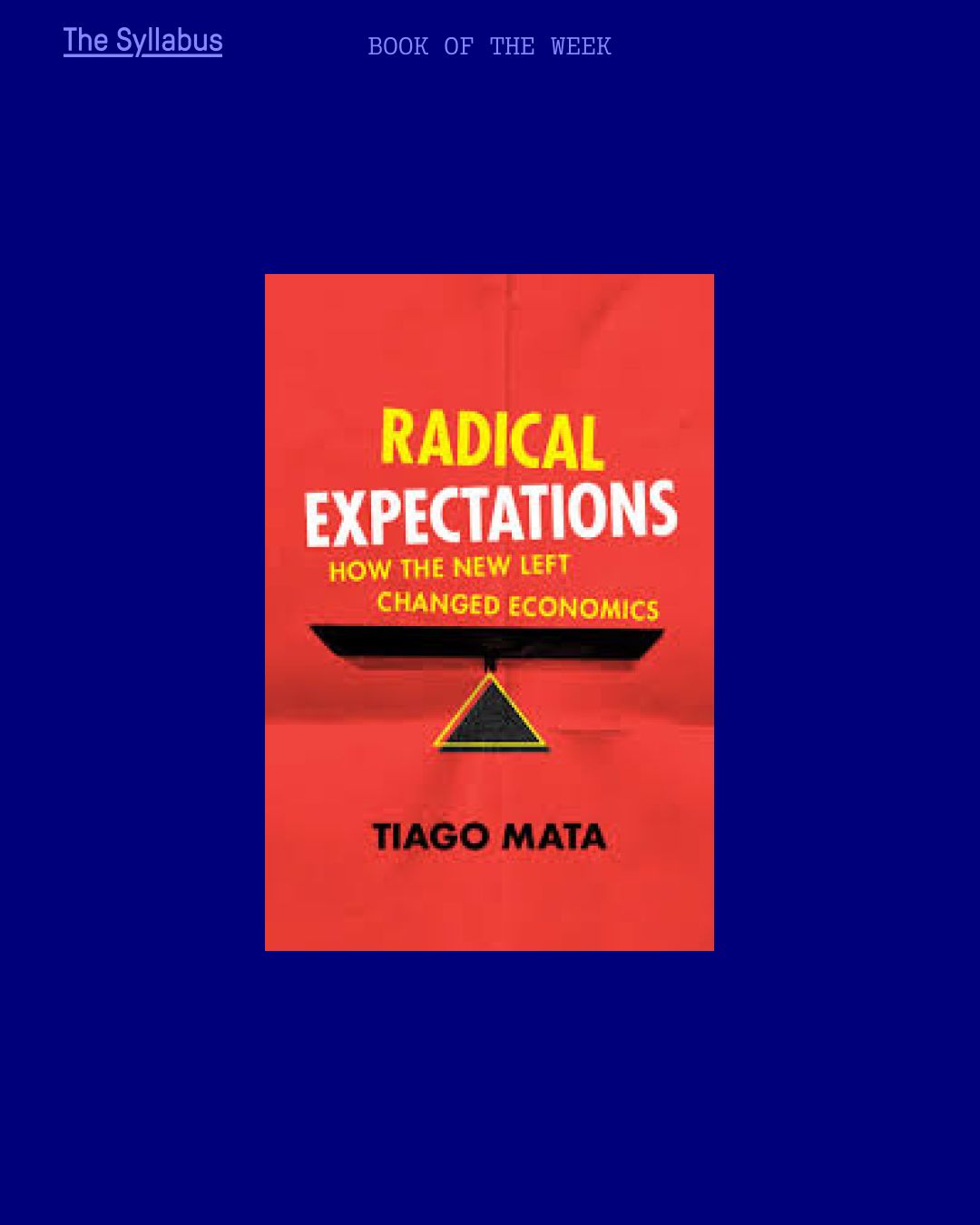
In the 1970s, radical economists left the university to work as activists. From the Union for Radical Political Economics to economic affairs bulletins, our book of the week investigates how the New Left changed economics.By Tiago Mata on @CambridgeUPhttps://t.co/aQQi9nqd0C pic.twitter.com/FM1A9nK5vN— The Syllabus (@syllabus_tweets) September 1, 2026
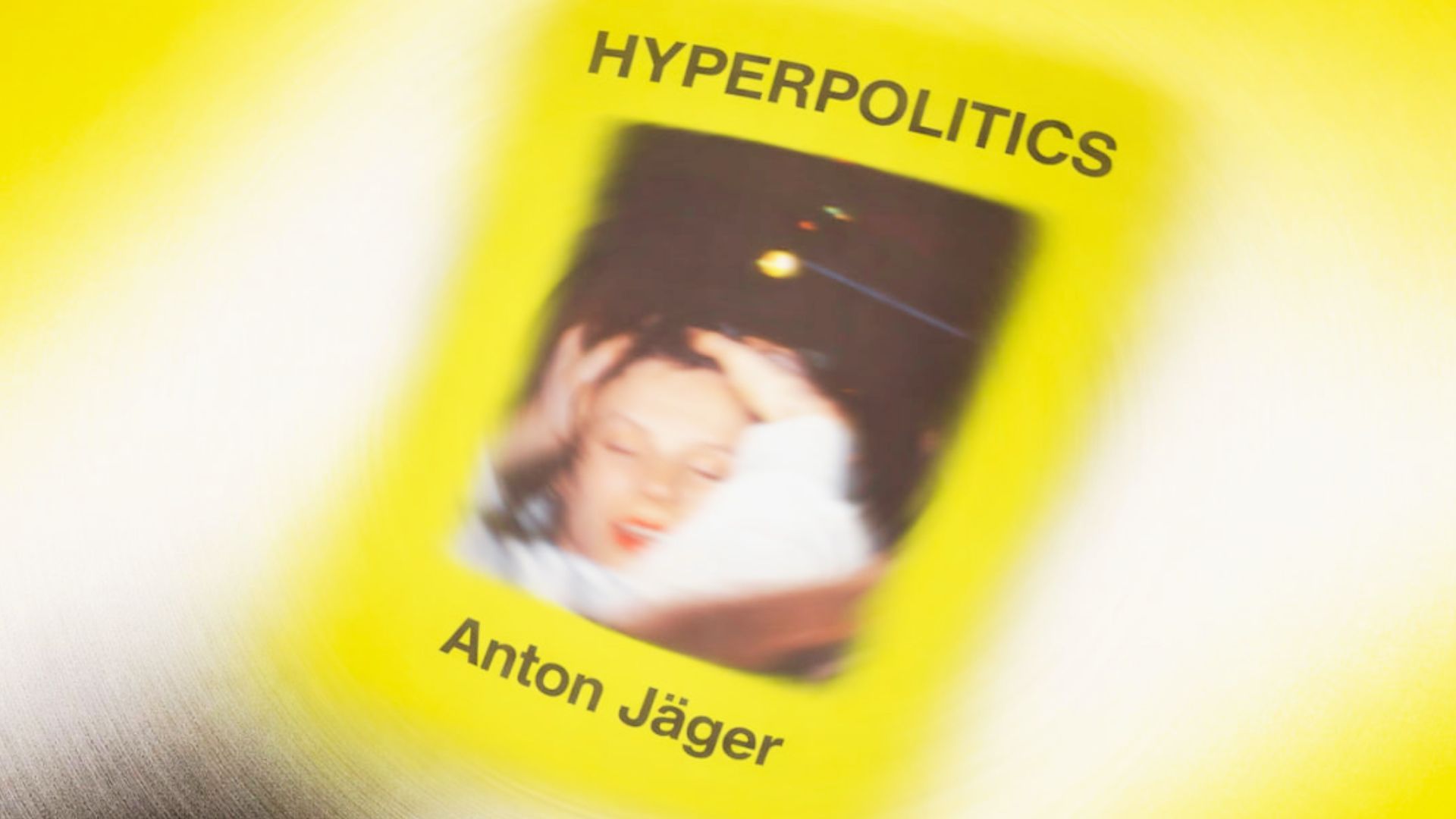
Not a new Weimar, or new 1930s: “We live in a period without a real precedent”. Interview with Anton Jäger
Upon the release of his new book Hyperpolitics: Extreme Politicization Without Political Consequences, September sat down with historian of political thought Anton Jäger to discuss the rise of the new right, the dynamics of politicization in contemporary Western societies, and what the current historical moment demands from the left.
danmcquillan (@danmcquillan@kolektiva.social) on Twitter / X
Fisher/Jameson said "It's easier to imagine the end of the world than the end of capitalism". And yet, that act of imagining alternatives is urgent; if AI tells us nothing else, it tells us that capitalism is actively imagining the end of us.— danmcquillan (@danmcquillan@kolektiva.social) (@danmcquillan) August 30, 2026
Leftism | The Paper Pilot
The Paper Pilot's digital garden of thoughts on philosophy, politics, and sociology
The left-wing case for AI
In Many anti-AI arguments are conservative arguments I argued that left-wing anti-AI sentiment1 is partly a backlash to two unrelated events around the rise of ChatGPT: the crypto mania of 2022 and the pro-Donald-Trump push many big tech CEOs made in 2024. If the timing had been different, we could have had a real pro-AI faction on the left. What would that look like?

Technically Radical
Over 2024, we saw major tech investors and company owners overtly turn toward the right, overtly backing Donald Trump in his electoral campaign. This group of individuals, which commentators have taken to calling the “Tech Right”, are motivated by various concerns like the attempts by the Biden administration to regulate them and a general backlash against “wokeness”. Representative individuals and their respective justifications can be found in things like Marc Andreessen's essay The Techno-Optimist Manifesto or books like Balaji Srinivasan’s The Network State, and Alexander Karp and Nicholas Zamiska’s The Technological Republic.
Spider-Verse, Identity Politics, Leftist Infighting, and the Oppression Olympics
Capitalist Realism and the Eviction of Culture: Notes from Ljubljana
I’d like to thank everyone who came out to Nova pošta last Thursday evening to my lecture on Mark Fisher’s Capitalist Realism, recently translated into Slovenian by Pika Golob and Nina …

The Breakdown of Capitalist Realism | Mediations | Journal of the Marxist Literary Group
Benjamin Noys examines the “substance” of Mark Fisher’s Capitalist Realism in order to argue that the text serves more than a diagnostic function in our…
Cas (Stephen Casper) on Twitter / X
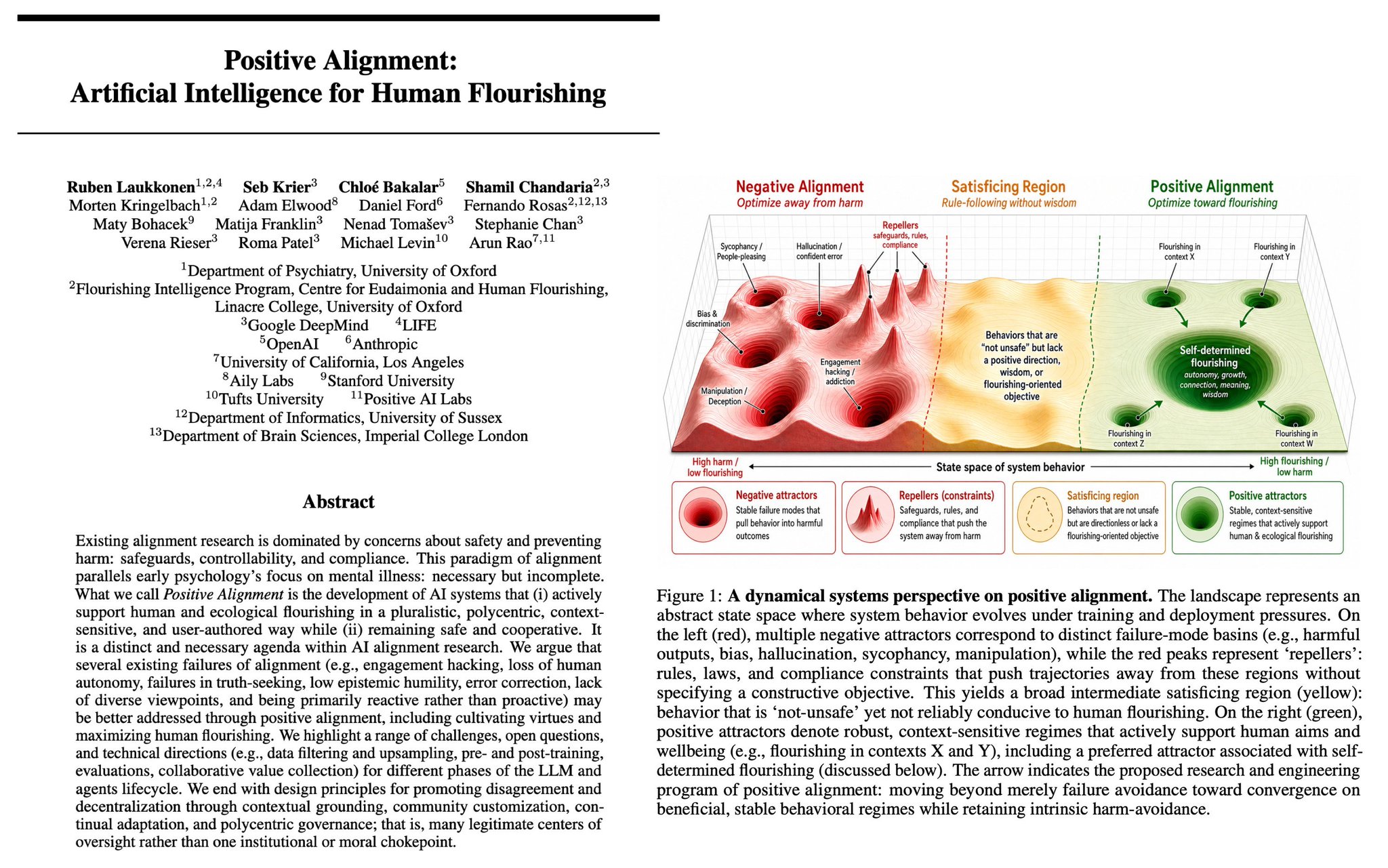
It is hard to overstate how disappointing I think this new paper from Oxford, OpenAI, Anthropic, and Google (et al) is. I can't take it seriously as academic work, just as propaganda. It also has some very bad scholarship and questionable adherence to research ethics. Having… pic.twitter.com/Z5fBx360ya— Cas (Stephen Casper) (@StephenLCasper) May 13, 2026
npj on Twitter / X
Schumpeter in a nut shell:— Capitalism forces “rationalization” and the rationalist worldview, which just ends in an almost nihilistic skepticism that corrodes everything traditional that it touches: in particular “family life” and the aristocracy.— The traditional… pic.twitter.com/hThnUJ6jNE— npj (@TiltingatM3) May 28, 2026

The Leftist Manosphere and Identity Politics
"Fisher/Jameson said "It's easier to imagine the end of the world than the end of capitalism". And yet, that act of imagining alternatives is urgent; if AI tells us nothing else, it tells us that capitalism is actively imagining the end of us" x.com/danmcquillan/status/209400707…
the viability of many right-wing intellectuals and intellectual spaces is enormously dependent on the largesse of reactionary billionaires and foreign governments, who help them circumvent a marketplace of ideas where they would otherwise post extraordinarily poor sales

Don Moynihan
Its fair to ask if Orban's successful cultivation of the Western right wing intellectuals reflected that their networks were already dependent on patronage. Rod Dreher was funded by a weird billionaire, and when he stopped paying his salary, Orban did. Dreher already looking for a new gig.
🧵 @jburnmurdoch.ft.com is spot on about the conditions in his FT piece. Liberal democracy held it together thanks to growth, good demographics, and the promise of a better future. Those days are gone, and that’s the "why" behind the erosion. However...

Chris Bertram
Democratic politicians have, though, pursued growth in GDP at the expense of other values. One response to @jburnmurdoch.ft.com pessimistic scenario is refocus on those values, combined with egalitarianism, sufficiency and quality of life. Not "it's the economy, stupid" but "it's the the society"


