

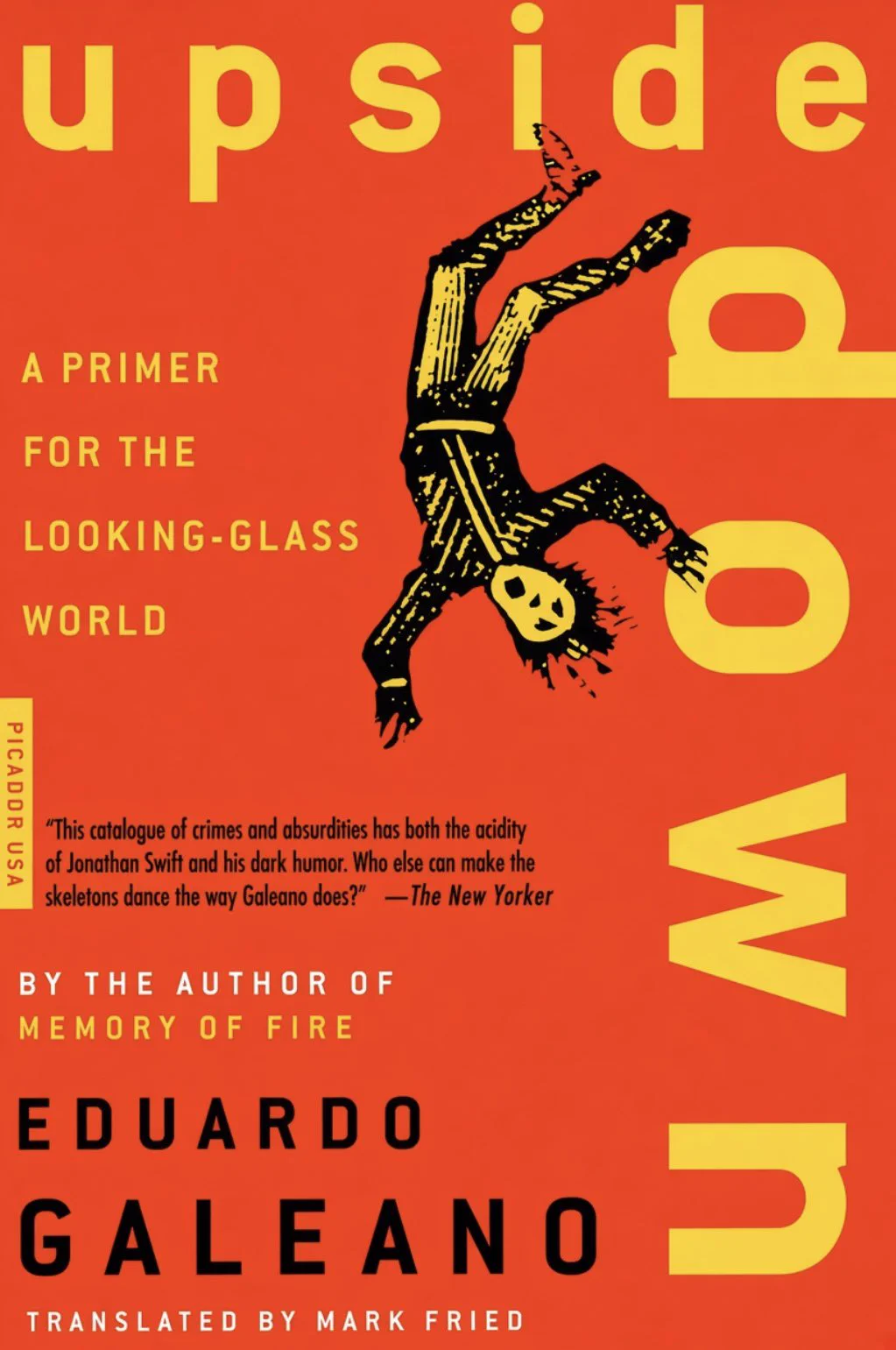
I think Eduardo Galeano in this piece does a great job pointing out how society tolerates inequalities. More importantly he exposes the sanitized terms we use to justify them. He juxtaposes concepts that our political and ethical dictionary would never allow together. When a++ pic.twitter.com/XJsvSNUxVY— Praxis (@praxiss) September 25, 2026
/leftypol/ - leftypol.org on Twitter / X
hyperpolitics by anton jäger is to the 2020s what capitalist realism by mark fisher was to the 2010s pic.twitter.com/7Wjscq7lNi— /leftypol/ - leftypol.org (@leftypol_org) September 13, 2026

annotations: Les aspects structurels des inégalités
Traduction française du billet de blog "Inequality: the structural aspects" de Branko Milanovic
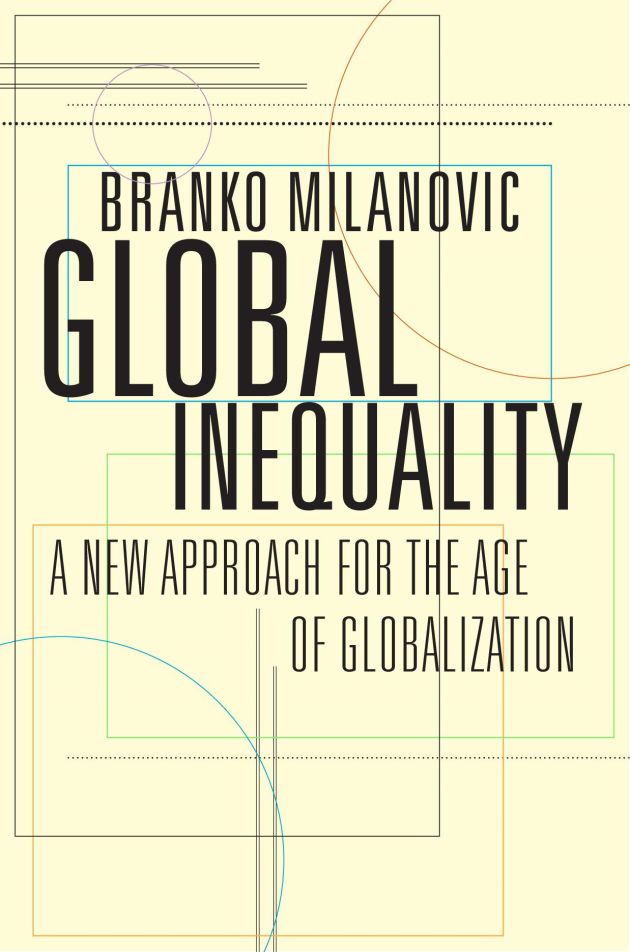
Global Inequality — Harvard University Press
Winner of the Bruno Kreisky Prize, Karl Renner InstitutA Financial Times Best Economics Book of the Year An Economist Best Book of the Year A Livemint Best Book of the YearOne of the world’s leading economists of inequality, Branko Milanovic presents a bold new account of the dynamics that drive inequality on a global scale. Drawing on vast data sets and cutting-edge research, he explains the benign and malign forces that make inequality rise and fall within and among nations. He also reveals who has been helped the most by globalization, who has been held back, and what policies might tilt the balance toward economic justice.“The data [Milanovic] provides offer a clearer picture of great economic puzzles, and his bold theorizing chips away at tired economic orthodoxies.”—The Economist“Milanovic has written an outstanding book…Informative, wide-ranging, scholarly, imaginative and commendably brief. As you would expect from one of the world’s leading experts on this topic, Milanovic has added significantly to important recent works by Thomas Piketty, Anthony Atkinson and François Bourguignon…Ever-rising inequality looks a highly unlikely combination with any genuine democracy. It is to the credit of Milanovic’s book that it brings out these dangers so clearly, along with the important global successes of the past few decades.—Martin Wolf, Financial Times
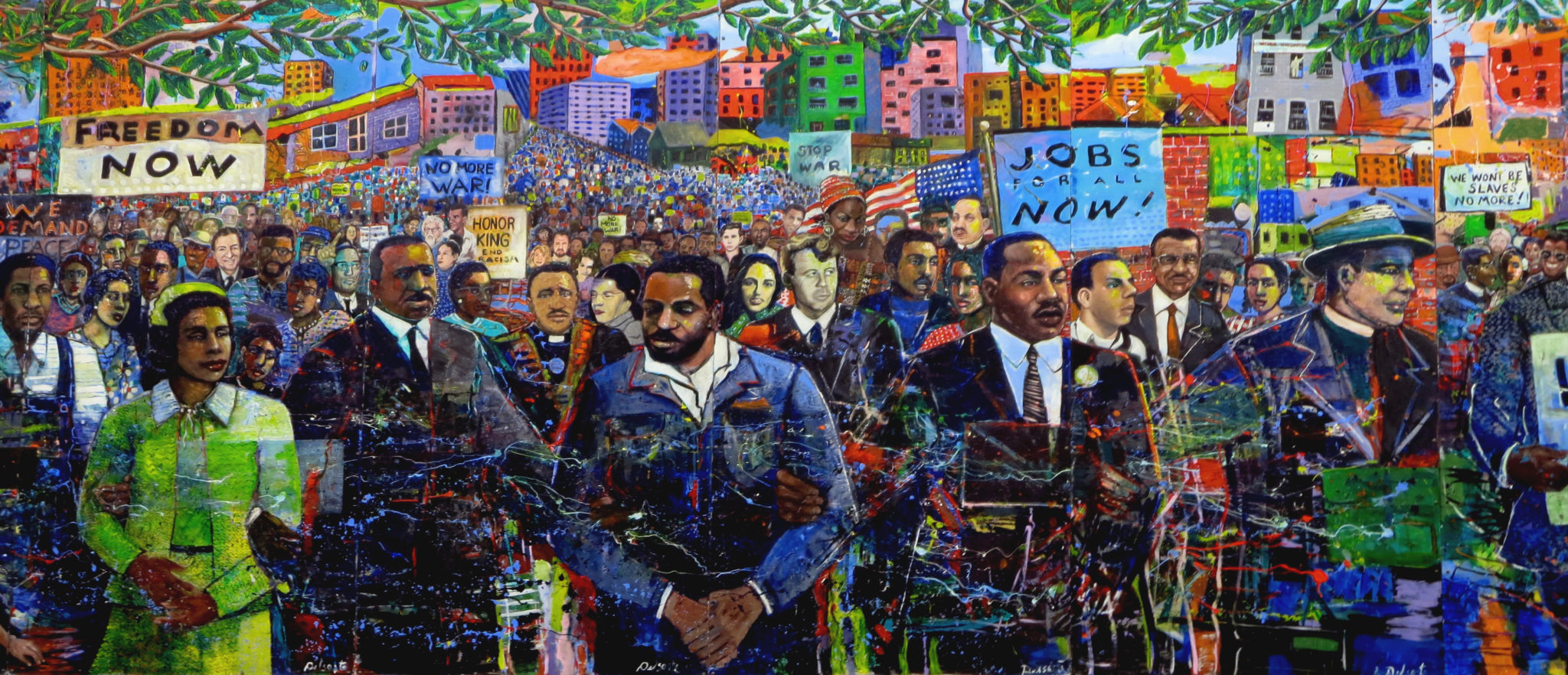
Capitalism, Democracy, and Du Bois’s <em>Two</em> Proletariats
[epq-quote align="align-right"]"What can be more radical or liberating than freedom and justice for all?"[/epq-quote] As an ideal, liberal democracy has great appeal. What can be more radical or liberating than...
W Social is a textbook case for everything wrong with digital sovereignty
Insanity is doing the same thing over and over again, but expecting different results. This saying is attributed to the famous socialist (and theoretical physicist) Albert Einstein but actually traces back to novelist Rita Mae Brown. I have been thinking about this saying a lot lately. The reason is

Mel Andrews on Twitter / X
Whether predictive systems can be ethically—or even functionally—used in socially sensitive contexts depends on their epistemic credentials. I am delighted to see my work inform policy recommendations in a new report from Amnesty International. https://t.co/NbQBM31N5M pic.twitter.com/EXPgxXgszF— Mel Andrews (@bayesianboy) June 11, 2026

NOW
The Paper Pilot's digital garden of thoughts on philosophy, politics, and sociology. Reading time: ~2 minute read | Published: Jun 15, 2024 | Updated: Aug 27, 2026

matthew ellis on Twitter / X
Lots of reviews of @AntonJaegermm’s Hyperpolitics in the past few months but I have to say the latest episode of @leftofphil is the only one that seems to understand the stakes for the conjuncture we’re in https://t.co/xnYA34JkOp— matthew ellis (@matthiasellis) September 21, 2026
Norms: An Integrated Framework
Norms are a foundational concept in sociology. Following a period of skepticism about norms as overly deterministic and as paying too little attention to social conflict, inequalities, and agency, the past 20 years have seen a proliferation of norms research across the social sciences. Here we focus on the burgeoning research in sociology to answer questions about where norms come from, why people enforce them, and how they are applied. To do so, we rely on three key theoretical approaches in the literature—consequentialist, relational, and agentic. As we apply these approaches, we explore their implications for what are arguably the two most fundamental issues in sociology—social order and inequality. We conclude by synthesizing and building on existing norms research to produce an integrated theoretical framework that can shed light on aspects of norms that are currently not well understood—in particular, their change and erosion.

Liberal Universalism | The Paper Pilot
The Paper Pilot's digital garden of thoughts on philosophy, politics, and sociology
Cas (Stephen Casper) on Twitter / X
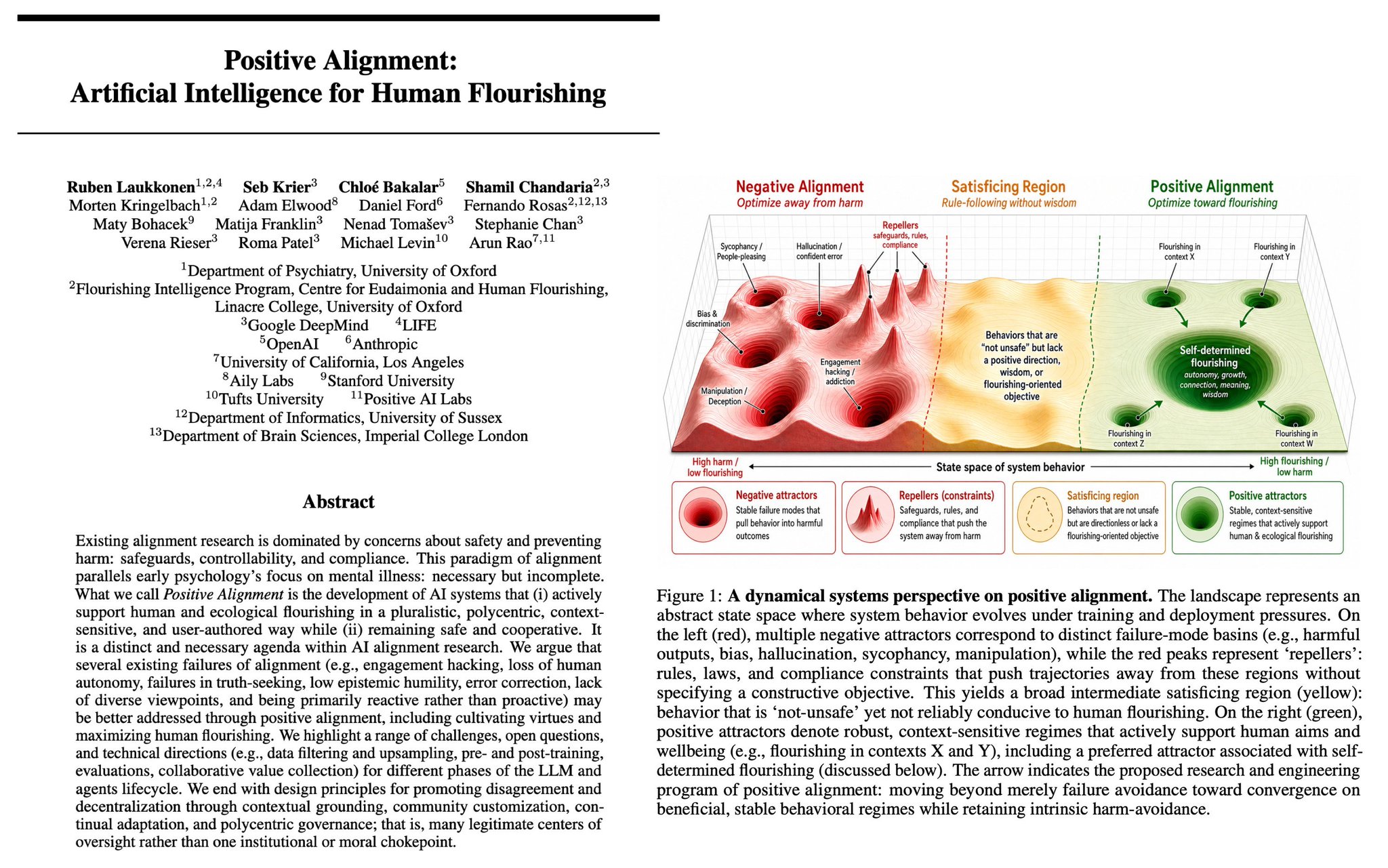
It is hard to overstate how disappointing I think this new paper from Oxford, OpenAI, Anthropic, and Google (et al) is. I can't take it seriously as academic work, just as propaganda. It also has some very bad scholarship and questionable adherence to research ethics. Having… pic.twitter.com/Z5fBx360ya— Cas (Stephen Casper) (@StephenLCasper) May 13, 2026
The Divide — Jason Hickel
The Divide: A Brief Guide to Global Inequality and its Solutions Penguin Random House UK, 2017

npj on Twitter / X
Schumpeter in a nut shell:— Capitalism forces “rationalization” and the rationalist worldview, which just ends in an almost nihilistic skepticism that corrodes everything traditional that it touches: in particular “family life” and the aristocracy.— The traditional… pic.twitter.com/hThnUJ6jNE— npj (@TiltingatM3) May 28, 2026

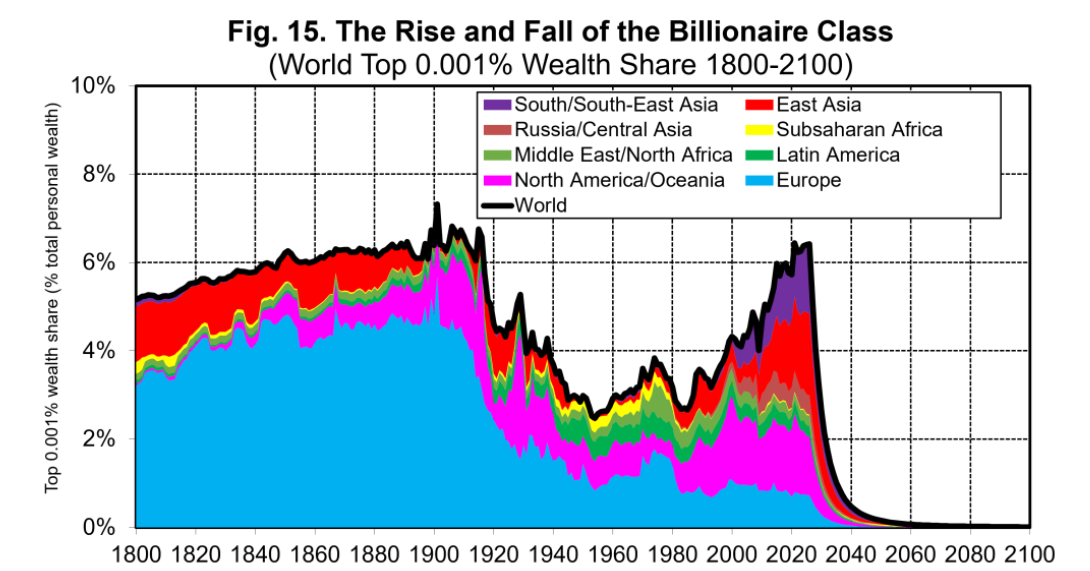
Rapport du World Inequality Lab : 50 ans après, le nouveau rapport Meadows ?
le World Inequality Lab (WIL) a lancé le « Global Justice Project », un programme destiné à « stimuler la recherche, l'élaboration des
Anarchist Cybernetics
The Paper Pilot's digital garden of thoughts on philosophy, politics, and sociology. Reading time: ~14 minute read | Published: Aug 12, 2026 | Updated: Sep 6, 2026
Some thoughts on #WSocial, how they have been responding to criticism and why I believe they are showing the limits of free speech absolutism. I agree with @echna.bsky.social that "W Social seems to be on an X speedrun - without ever having been like Twitter." 🔗: aseachange.com/@elena/statuses/01M0SDV98GRDW…
![[3 media attachments] Dear friends,
Please gather around for a long post about #WSocial and how they are responding to critiques.
I have noticed a trend: W Social leaders and staunch supporters are ...](https://cdn.bsky.app/img/feed_thumbnail/plain/did:plc:vggsjzvhakoa7l2m2mguqv4w/bafkreihcldgcq7zjkfhikbwpjeqo6qqqw443ywuxo6rl2y6xh55tsszjim)
Elena Rossini on GoToSocial ⁂ (@elena@aseachange.com)
aseachange.com