


Distrusts computers. Keeps embracing them anyway. Previously: Golem Foundation/Wildland, Qubes OS, hardware/virtualization/OS security research.
Can You Trust Your Computer? - GNU Project - Free Software Foundation
Who should your computer take its orders from? Most people think their computers should obey them, not obey someone else. With a plan they call “trusted computing,” large media corporations (including the movie companies and record companies), together with computer companies such as Microsoft and Intel, are planning to make your computer obey them instead of you. (Microsoft's version of this scheme is called Palladium.) Proprietary programs have included malicious features before, but this plan would make it universal.
Reflections on trusting trust
To what extent should one trust a statement that a program is free of Trojan horses? Perhaps it is more important to trust the people who wrote the software.

Hackers: Heroes of the Computer Revolution
A mere fifteen years ago, computer nerds were seen as m…

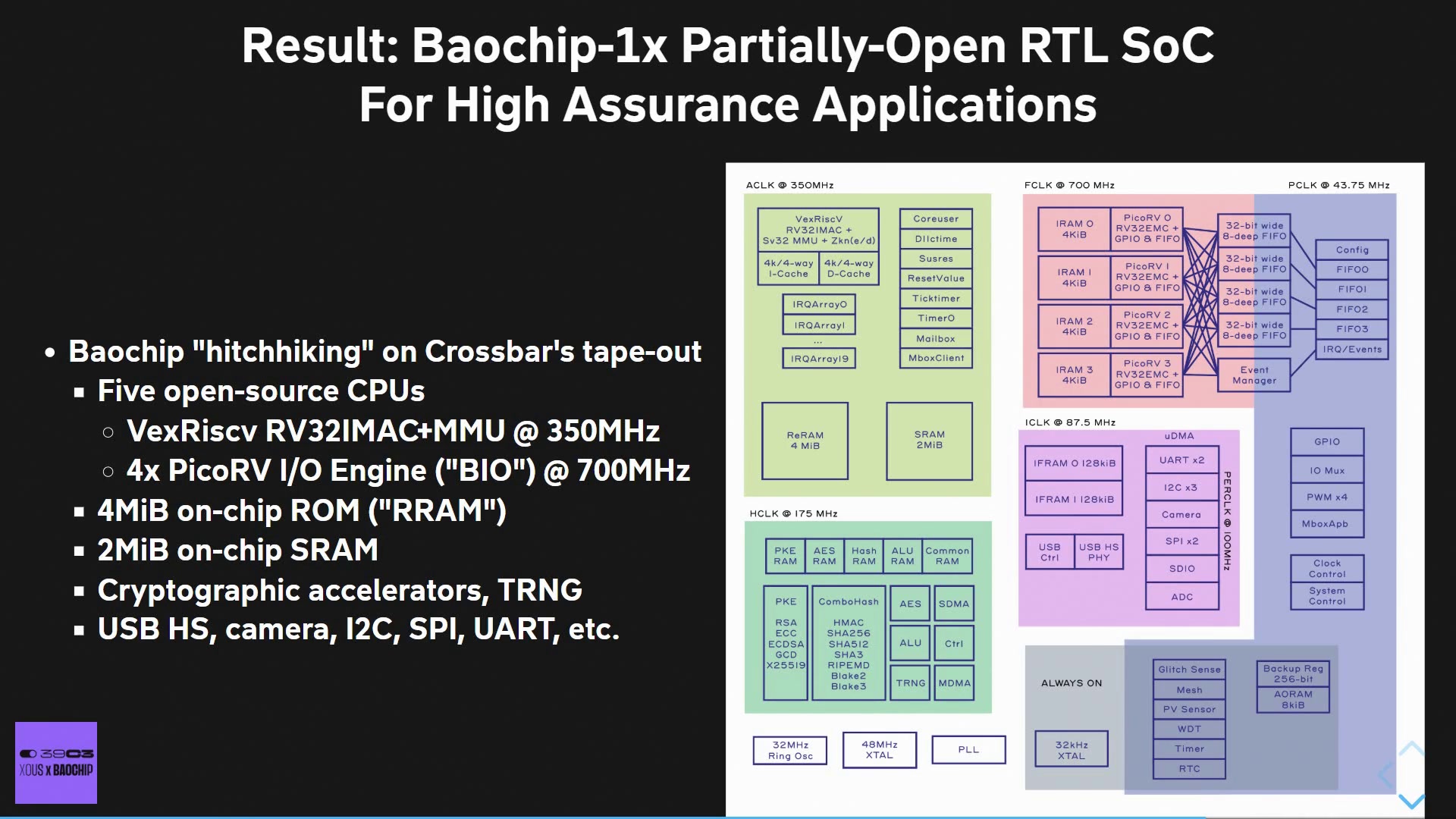
Xous: A Pure-Rust Rethink of the Embedded Operating System
Xous is a message-passing microkernel implemented in pure Rust, targeting secure embedded applications. This talk covers three novel aspe...
The Federation Fallacy
Throughout the free software community, an unbridled aura of justified mistrust fills the air: mistrust of large corporations, mistrust of governments, and of course, mistrust of proprietary software. Each mistrust is connected by a critical thread: centralisation.
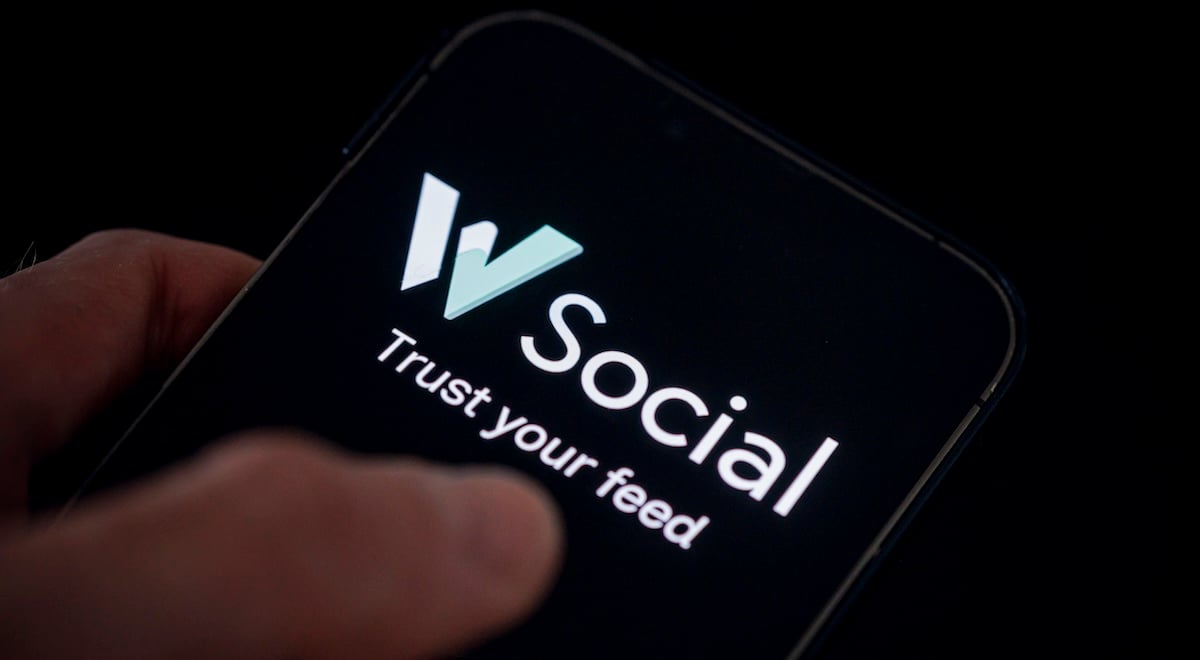
Security risks overshadow the debut of Europe’s X rival, W
W, Europe’s answer to X (formerly Twitter), has an unconventional approach to privacy, prompting security researchers to question how safe the platform really is.
Tock OS A Rust Based Open Platform for Transparent and Secure Root of Trust Devices
New physical attacks are quickly diluting secure enclave defenses from Nvidia, AMD, and Intel
On-chip TEEs withstand rooted OSes but fall instantly to cheap physical attacks.
softer computing club
a cozy community of humans and computers on the planet earth
Hacker, Hack Thyself
We’ve read so many sad stories about communities that were fatally compromised or destroyed due to security exploits. We took that lesson to heart when we founded the Discourse project; we endeavor to build open source software that is secure and safe for communities by default, even if there

The coming civil war over general purpose computing
Even if we win the right to own and control our computers, a dilemma remains: what rights do owners owe users?
A new Anthropic model found security problems ‘in every major operating system and web browser’
Nvidia, Google, Apple, Microsoft, and others will use Claude Mythos Preview to spot vulnerabilities in their systems.

Adversarial Interoperability: Reviving an Elegant Weapon From a More
Today, Apple is one of the largest, most profitable companies on Earth, but in the early 2000s, the company was fighting for its life. Microsoft's Windows operating system was ascendant, and
SGX.Fail
Intel's Software Guard Extension (SGX) promises an isolated execution environment, protected from all software running on the machine. In the past few years, however, SGX has come under heavy fire, threatened by numerous side channel attacks. With Intel repeatedly patching SGX to regain security, we set out to explore the effectiveness of SGX's update mechanisms to prevent attacks on real-world deployments.
Hackathon on Decentralised Media - TEP (Trusted European Platforms) Bluesky, Nostr · Luma
Every year, thousands of developers of free and open-source software from all over the world gather at FOSDEM. For two weeks around this event – from the 26th…

Jeremiah Fowler Security Researcher on X: "According to Cloudflare Da…
archived 13 Oct 2026 16:33:22 UTC
