


I’d like to thank everyone who came out to Nova pošta last Thursday evening to my lecture on Mark Fisher’s Capitalist Realism, recently translated into Slovenian by Pika Golob and Nina …
The Breakdown of Capitalist Realism | Mediations | Journal of the Marxist Literary Group
Benjamin Noys examines the “substance” of Mark Fisher’s Capitalist Realism in order to argue that the text serves more than a diagnostic function in our…
Capitalist Realism: Is There No Alternative?
It is easier to imagine the end of the world than the end of capitalism. After 1989, capitalism has successfully presented itself as the only realistic political-economic system - a situation that the bank crisis of 2008, far from ending, actually compounded. The book analyses the development and principal features of this capitalist realism as a lived ideological framework. Using examples from politics, film (Children Of Men, Jason Bourne, Supernanny), fiction (Le Guin and Kafka), work and education, it argues that capitalist realism colors all areas of contemporary experience, is anything but realistic and asks how capitalism and its inconsistencies can be challenged. It is a sharp analysis of the post-ideological malaise that suggests that the economics and politics of free market neo-liberalism are givens rather than constructions. New Edition includes:Forward by Zoe Fisher, Mark’s wife, talking about Mark as a personIntroduction by Alex Niven, his friend and colleague, talking about the political significance of the book thirteen years after it was writtenAfterword by Tariq Goddard, the original editor and publisher, describing the writing and editing of the book, its original reception, and Mark’s own view of it"A quick and entertaining read." Socialist Standard "A provocative and necessary read...for anyone wanting to talk seriously about the politics of education today. " Times Higher Educational Supplement
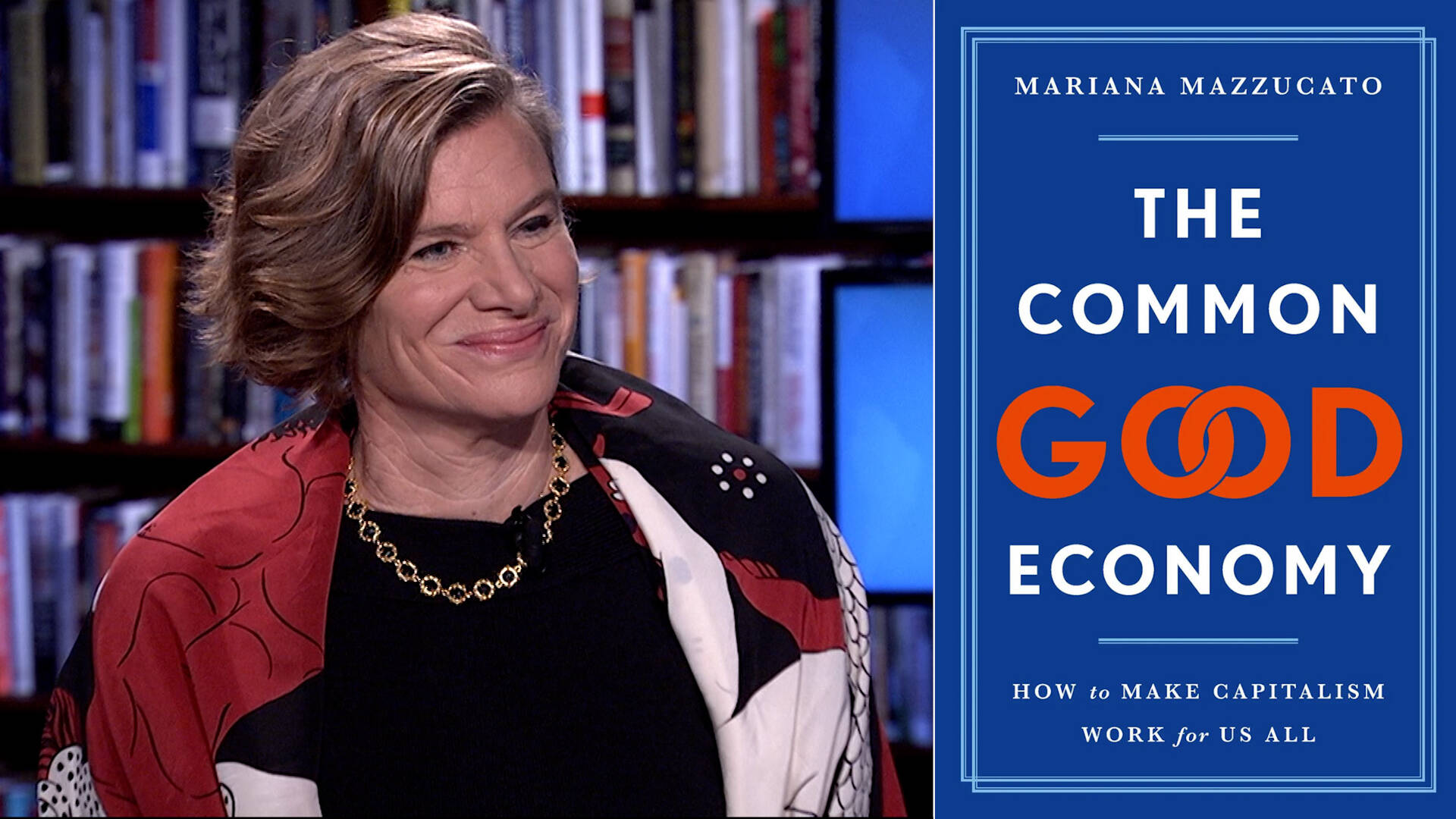
“The Common Good Economy”: Mariana Mazzucato on Fixing Capitalism
We speak with the economist Mariana Mazzucato, author of the new book The Common Good Economy: A New Compass.
Capitalism by Sven Beckert: 9780735220836 | PenguinRandomHouse.com: Books
Buy Capitalism by Sven Beckert from Penguin Random House
Capitalism | The Paper Pilot
The Paper Pilot's digital garden of thoughts on philosophy, politics, and sociology
/leftypol/ - leftypol.org on Twitter / X
hyperpolitics by anton jäger is to the 2020s what capitalist realism by mark fisher was to the 2010s pic.twitter.com/7Wjscq7lNi— /leftypol/ - leftypol.org (@leftypol_org) September 13, 2026

Cognitive Capitalism - Public Seminar
There are broadly three ways of thinking historically about capitalism. One draws on Marx’s value theory and pretty much treats...Read More

The Prospects of a Pluriversal Transition to a Post-Capitalist, Post-C
This book critically engages with a central dilemma facing counter-hegemonic movements as global crises intensify: how to foster systemic change while

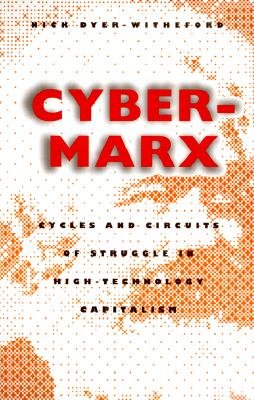
Cyber-Marx
In this highly readable and thought-provoking work, Nick Dyer-Witheford assesses the relevance of Marxism in our time and demonstrates how the information age, far from transcending the historic conflict between capital and its laboring subjects, constitutes the latest battleground in their encounter. Dyer-Witheford maps the dynamics of modern capitalism, showing how capital depends for its operations not just on exploitation in the immediate workplace, but on the continuous integration of a whole series of social sites and activities, from public health and maternity to natural resource allocation and the geographical reorganization of labor power. He also shows how these sites and activities may become focal points of subversion and insurgency, as new means of communication vital for the smooth flow of capital also permit otherwise isolated and dispersed points of resistance to connect and combine with one another. Cutting through the smokescreen of high-tech propaganda, Dyer-Witheford predicts the advent of a reinvented, "autonomist" Marxism that will rediscover the possibility of a collective, communist transformation of society. Refuting the utopian promises of the information revolution, he discloses the real potentialities for a new social order in the form of a twenty-first-century communism based on the common sharing of wealth.
The Third Web
(This text is very long. Maybe too long. You can find a PDF and an EPUB of it below.The current version of this text will always live at https://web3.tante.ccSatya has created an audio version of this essay. Eine deutsche Version findet sich hier. Una versione italiana di questo testo è qui – grazie Nebbia! En […]
Writings and rehearsals by Nathan Schneider
Welcome. I’m a professor of media studies at the University of Colorado Boulder, where I direct the Media Economies Design Lab and teach and learn from our students. I’ve written a book each on online democracy, cooperative enterprise, the Occupy movement, and God, and I’ve edited ones about solidarity economies, crypto, and co-ops. Reporting articles for both magazines and academic journals keeps my notebooks filled. Working with others to build a democratic economy keeps me accountable.

Imperialism | The Paper Pilot
The Paper Pilot's digital garden of thoughts on philosophy, politics, and sociology
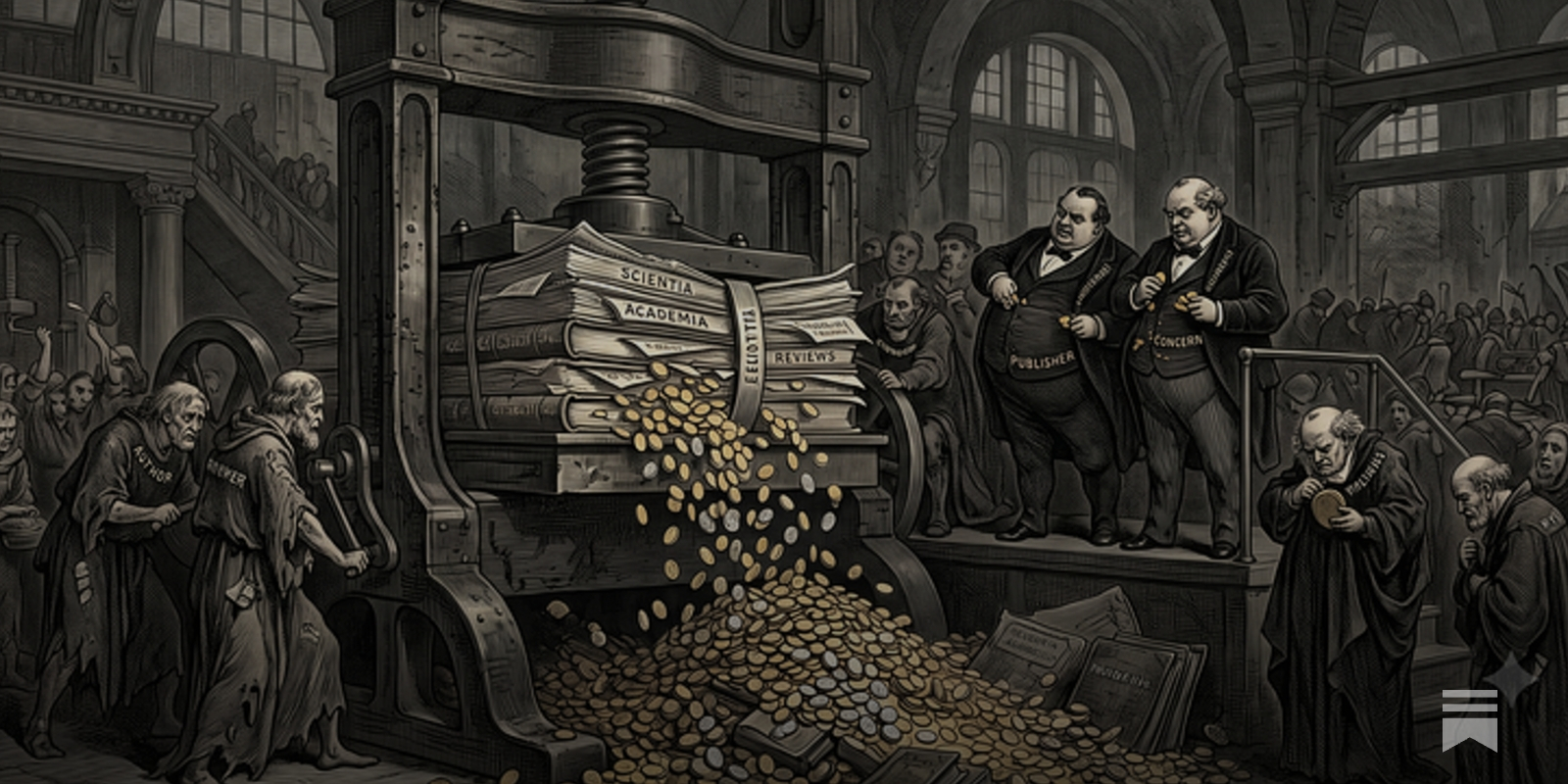
We Need A Library Economy
Why Capitalism Requires Expanded Reproduction
A friend Nick wants to know why capitalism can only exist as expanded reproduction. In Volume II of “Capital,” Marx developed the diagrams for both simple and expanded reproduction. Why…
