

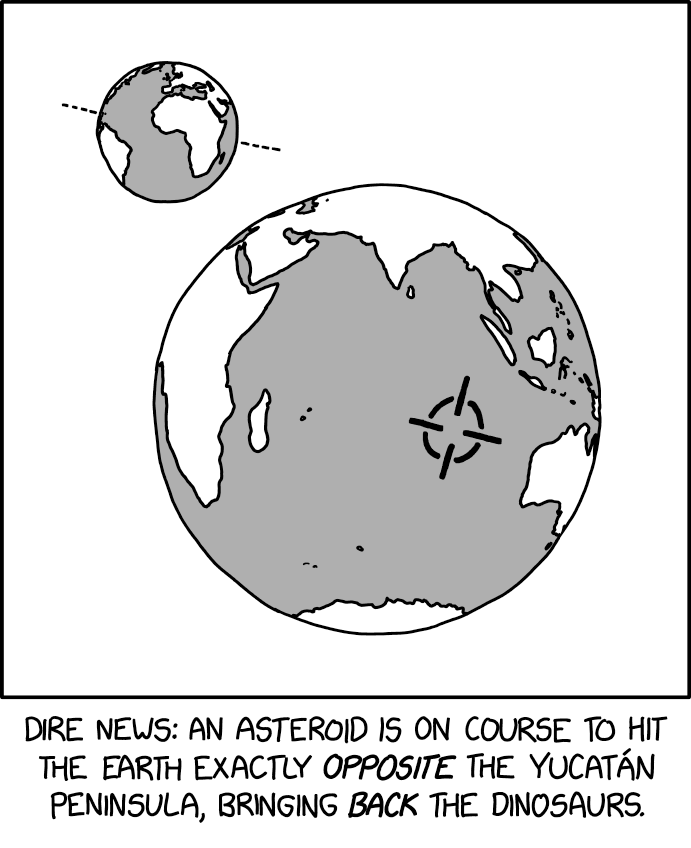
Paleontologists have long worried that the dinosaurs blasted into space 66 million years ago will one day complete their orbits and fall back down.
Planetary Sapience & Planetary Stupidity: a Bildungsroman for the Baby Noosphere | Antikythera
That is, the faculty of recollection and foresight? Until recently, I would argue, our planet was amnesiac. That is, no part of it was reflectively aware of the place of the present relative to the established past nor the expected future. But then peculiar animals emerged, capable—no matter how imperfectly—of cooperation, abstraction and invention. In the last blink of geologic time, through the collaboration of these animals with their increasingly cunning artifacts, this state of planetary amnesia has faltering begun being cured. That is, through our artifacts, our planet is becoming aware of its own unfolding biography. In our fallible attempts to model our world—alongside our growing legion of sensors—The Earth system has developed a way of recollecting its deepest past and tracking the changing complexities of its present so as to forecast its furthest future.
Climate doom may discourage climate action, but there’s a way to counter it
One way to guard against misinformation is to empower people to identify climate doom in the first place.
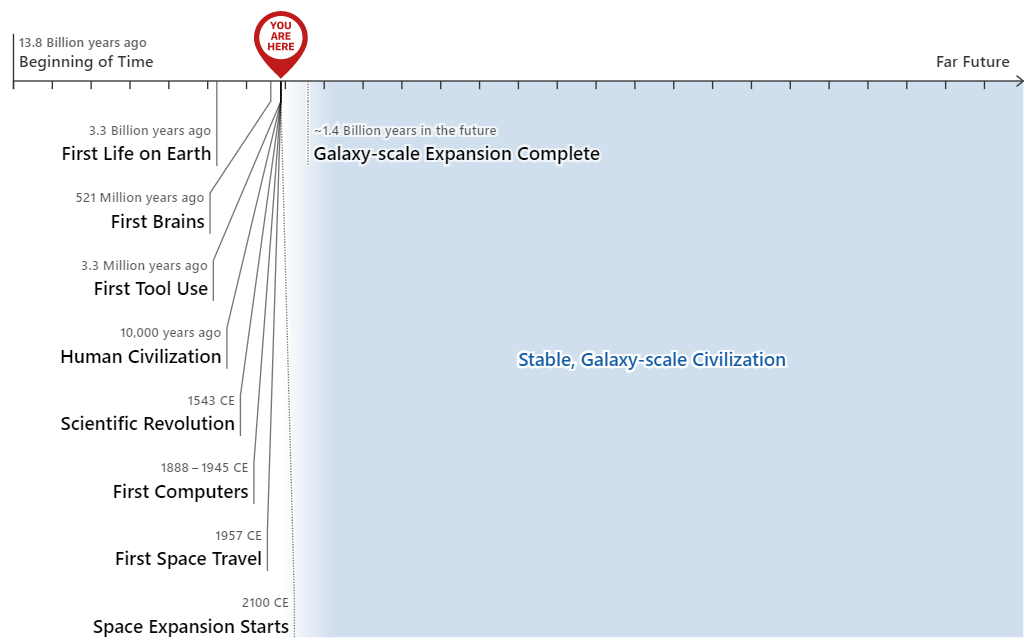
All Possible Views About Humanity's Future Are Wild
If humans will eventually spread out across the galaxy, then we are among the earliest living beings, with remarkable opportunities to shape the future
The Latest Data on El Niño Is a Looming Nightmare
The planet hasn't seen a historic El Niño since the 1870s. With one on the horizon, experts are already bracing for impact.
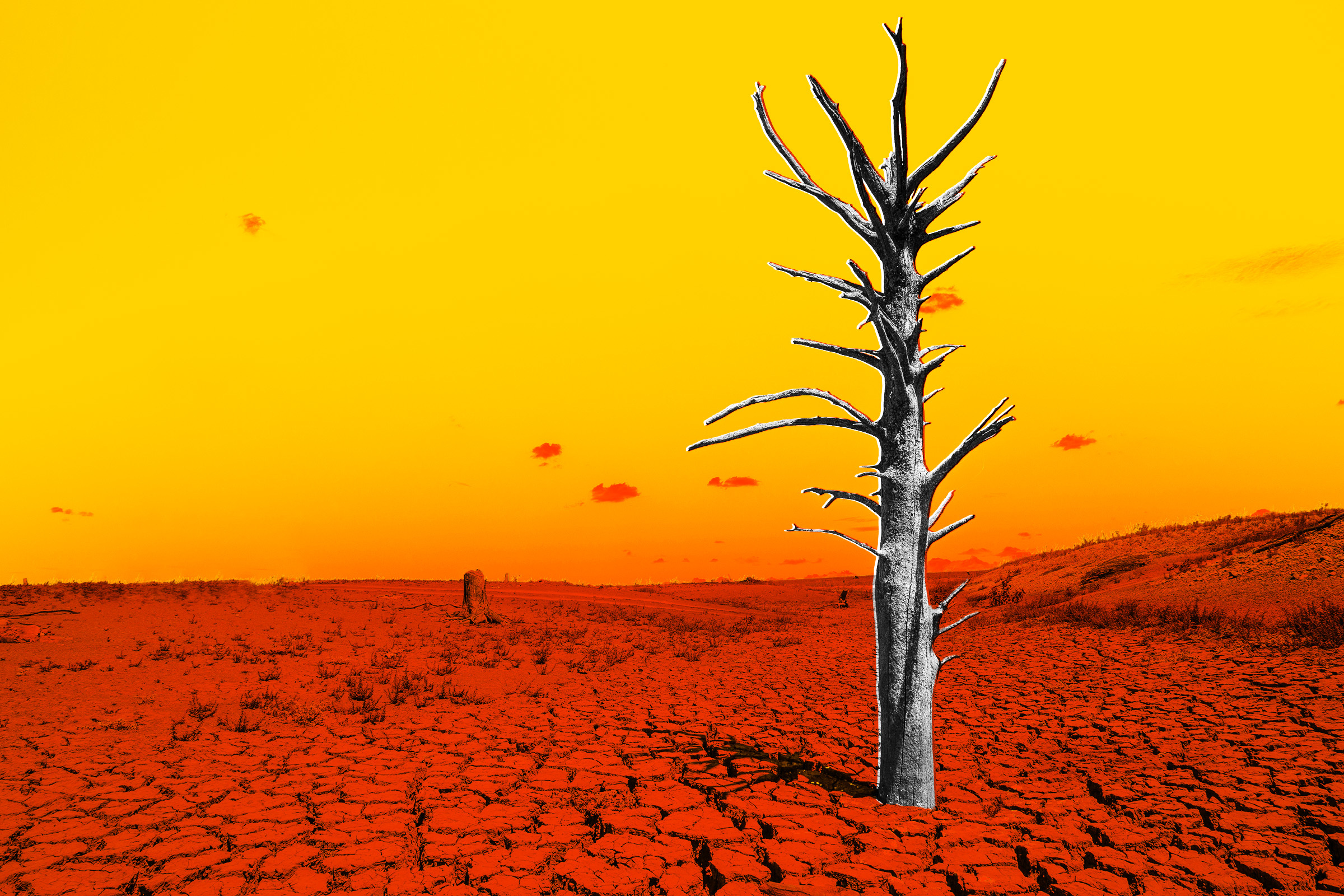
On the Extinction Risk from Artificial Intelligence
In this report, RAND researchers examine the threat of human extinction posed by artificial intelligence (AI). Using a scenario-based analysis to evaluate three technologies — nuclear weapons, pathogens, and geoengineering — they found that it would be immensely challenging for AI to create an extinction threat, although they could not rule out the possibility. They identify risk indicators and make recommendations to mitigate future risk.

A year into the wreckage and salvage
It’s coming up on been a year, somehow, since I started this website/micro-studio/space to think in. What a wild choice that was, setting out in October of 2024, eyes on the horizon! We’d hoped things would turn out differently. The research and thinking I came
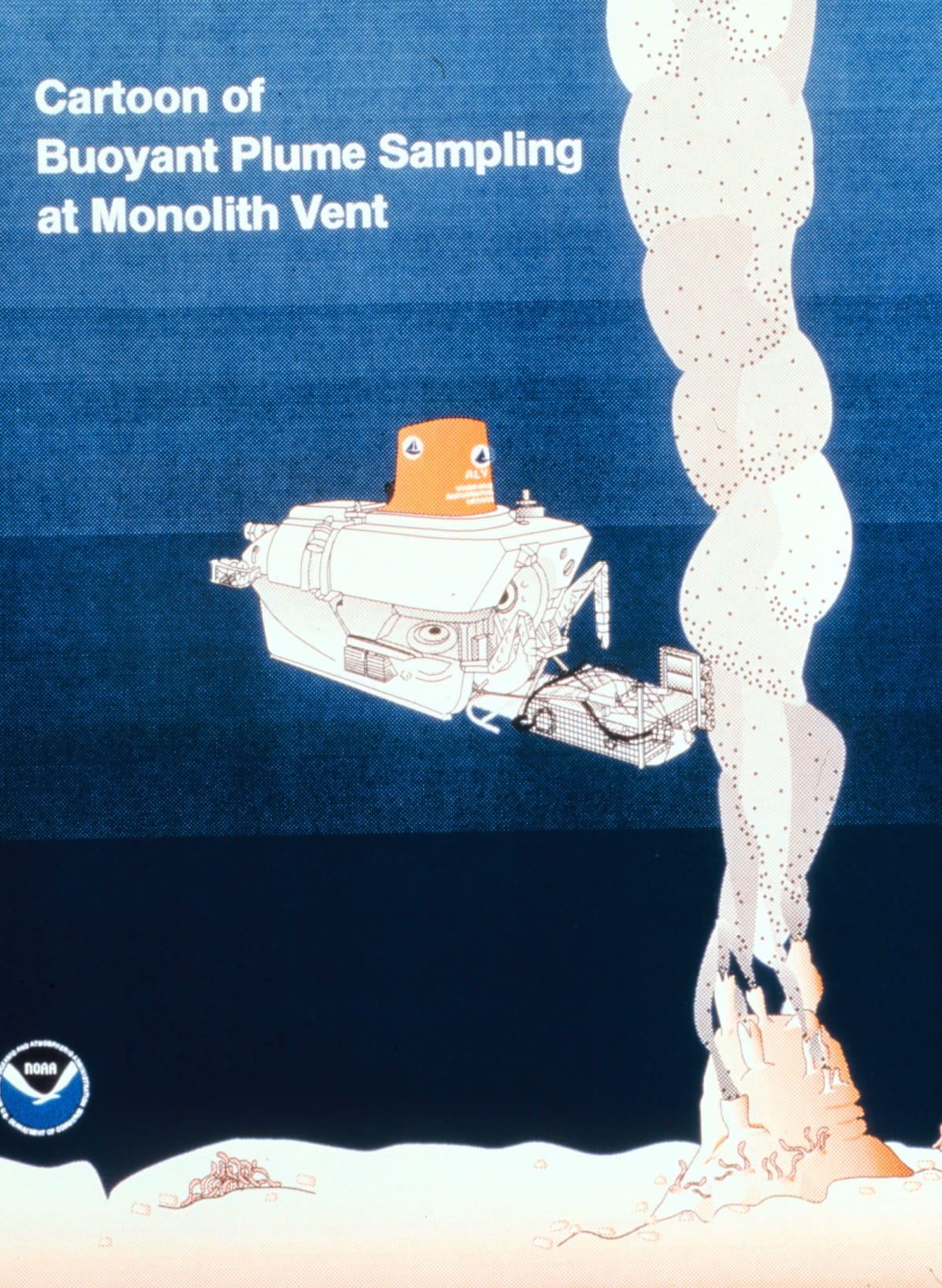
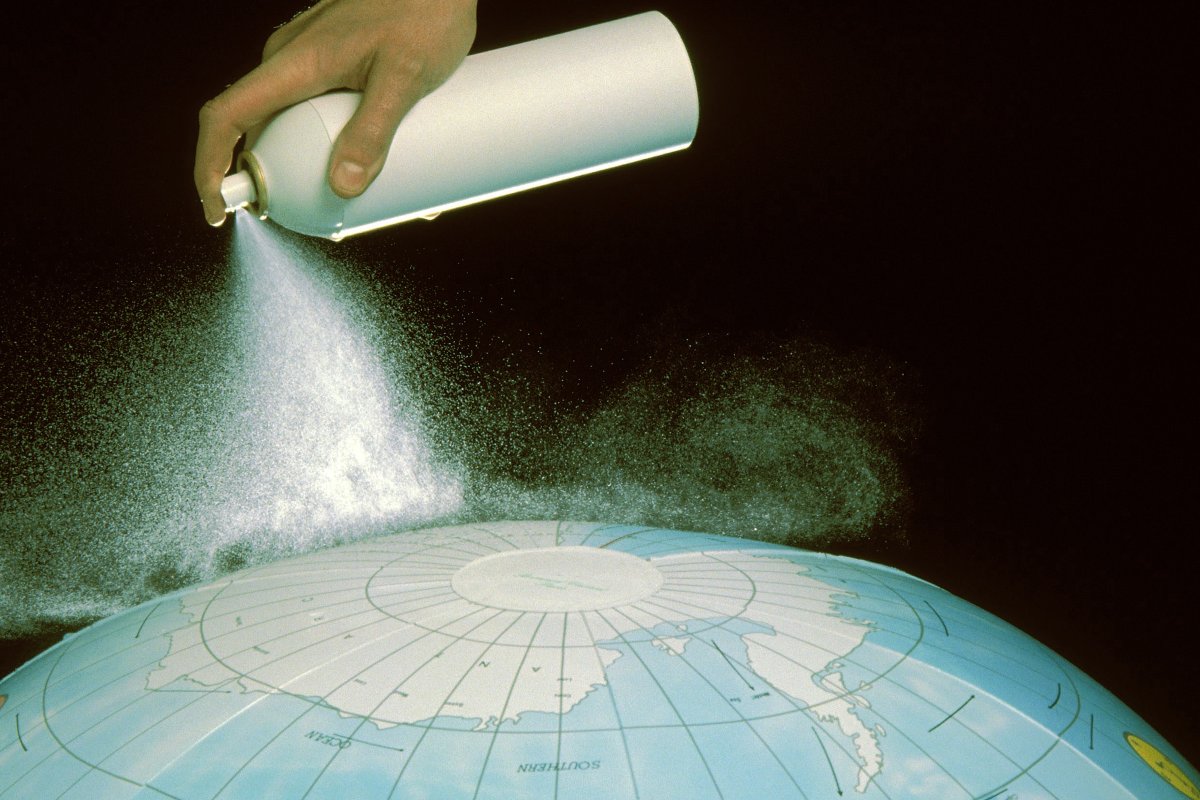
Research Paper Warns That There’s a Massive Experiment at Work to Geoengineer the Earth’s Climate
While scientists debate the risks of tampering with our climate, scientists say there's already a huge geoengineering experiment unfolding.
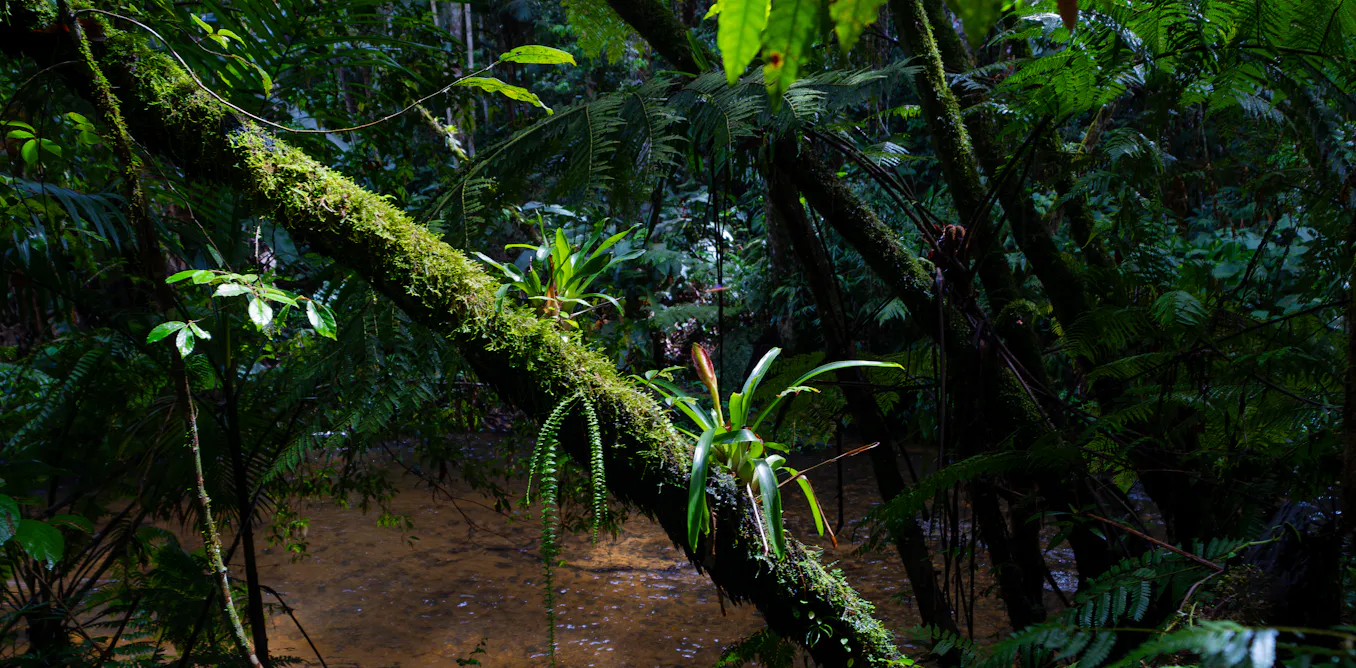
Impact of climate change may be equivalent to 3.3 million years of transformations in tropical vegetation
Changes that took millions of years can now happen in a matter of decades, and this accelerated rythm can be destructive, with dangerous consequences for the planet
Technological risks are not the end of the world
There’s a scene in the movie Oppenheimer in which the protagonist is trying to explain to General Groves, his military overseer, the hazards of their endeavor. Groves asks Oppenheimer, “Are you saying there’s a chance that when we push that button, we destroy the world?“ The physicist says, “The chances are near zero.” When Groves, understandably alarmed, asks for clarification, Oppenheimer responds, “What do you want from theory alone?”

Don't you mean extinct?
In 1993, Jurassic Park came out and revolutionized the use of CGI in films[1]. To the public the experience was magic. But for some of the people in the movie industry, it was a rude awakening.

I Wanted to Create “The Most Human Gathering”—and Created a Monster
What my failed attempt at curation says about the next “intelligence explosion” “The word for world is forest“ – Ursula K. Le Guin With everyone now a coder, you’d think this would be a good time for curators like me.

The Daily Planet #120: Deep Time Continued - The Daily Planet