


Writer/researcher Erin Kissane is working to build better and safer networks for collective survival, with efforts including the COVID Tracking Project, a powerful 40,000 word analysis of Meta’s role in the Rohingya genocide in Myanmar, and current research into the culture and governance of the next wave of social networks.
Erin Kissane, Writer/Researcher - XOXO Festival (2024)
Myanmar: The social atrocity: Meta and the right to remedy for the Rohingya - Amnesty International
Beginning in August 2017, the Myanmar security forces undertook a brutal campaign of ethnic cleansing against Rohingya Muslims. This report is based on an in-depth investigation into Meta (formerly Facebook)’s role in the serious human rights violations perpetrated against the Rohingya. Meta’s algorithms proactively amplified and promoted content which incited violence, hatred, and discrimination against […]
Beyond Hate Speech and Misinformation: Facebook and the Rohingya Genocide in Myanmar
The case of the Rohingya genocide in Myanmar has increasingly come to illustrate the maximum evil of Facebook and its parent company, Meta. Yet most analyses of this case share a distinctive featur...

Beyond Hate Speech and Misinformation: Facebook and the Rohingya Genocide in Myanmar
The case of the Rohingya genocide in Myanmar has increasingly come to illustrate the maximum evil of Facebook and its parent company, Meta. Yet most analyses of this case share a distinctive featur...
Myanmar: Facebook’s systems promoted violence against Rohingya; Meta owes reparations – new report
Facebook owner Meta’s dangerous algorithms and reckless pursuit of profit substantially contributed to the atrocities perpetrated by the Myanmar military against the Rohingya people in 2017, Amnesty International said in a new report published today.

Erin Kissane's small internet website
The latest entries posted on Erin Kissane's small internet website
Facebook Destroys Everything: Part 1 - Faine Greenwood
In Southeast Asia in the early 2010s, I watched as Facebook began to destroy Myanmar from the inside out. Here's why I'm never using Threads.

Facebook's failure in Myanmar is the work of a blundering toddler
The social network ploughs its way through the world and deals with the consequences later. In Myanmar, that strategy has had deadly consequences

XOXO - Erin Kissane's small internet website
This post annotates a talk I gave on August 24, 2024 at the final XOXO Festival in Portland, Oregon, about the gifts and terrors of the social internet and why fixing it is essential to our ability to respond to collective crisis and institutional failure.
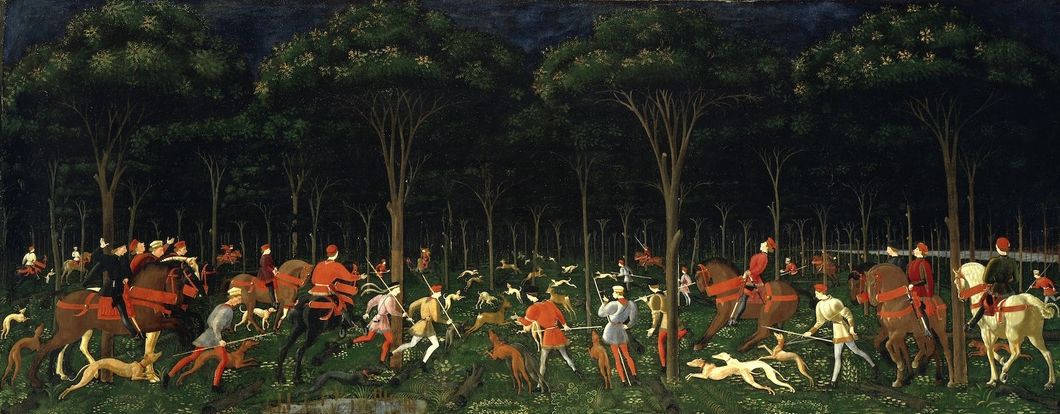
Gradients of intimacy and creating shelter: An interview with Erin Kissane
How might we use nature as an inspiration for creating online communities?

U.N. investigators cite Facebook role in Myanmar crisis
U.N. human rights experts investigating a possible genocide in Myanmar said on Monday that Facebook <FB.O> had played a role in spreading hate speech there.

Social Media Vs Democracy
Xodus
...Building a movement away from toxic social media platforms, towards alternative open social media...

“Nothing Is Ever Over” - AT Protocol
Writer, speaker, and researcher Erin Kissane joins Jim to trace how the social internet got here, what’s worth salvaging, and how we can do better by listening to people.

How a Chinese marketing network quietly injects political narratives into Taiwanese lifestyle content
A new investigation by Reporters Without Borders (RSF) reveals how certain Facebook pages posing as lifestyle hubs for hobbies and health tips inject Beijing’s political narratives into their feeds to influence public opinion in Taiwan. These pages are tied to the China-based digital marketing company Wubianjie, which blends entertainment, disinformation and political messaging in cognitive warfare campaigns that are difficult to detect.

Facebook and the Rohingya genocide in Myanmar

Facebook’s incitement of the Rohingya genocide in Myanmar circa 2016/17. Search terms: Meta
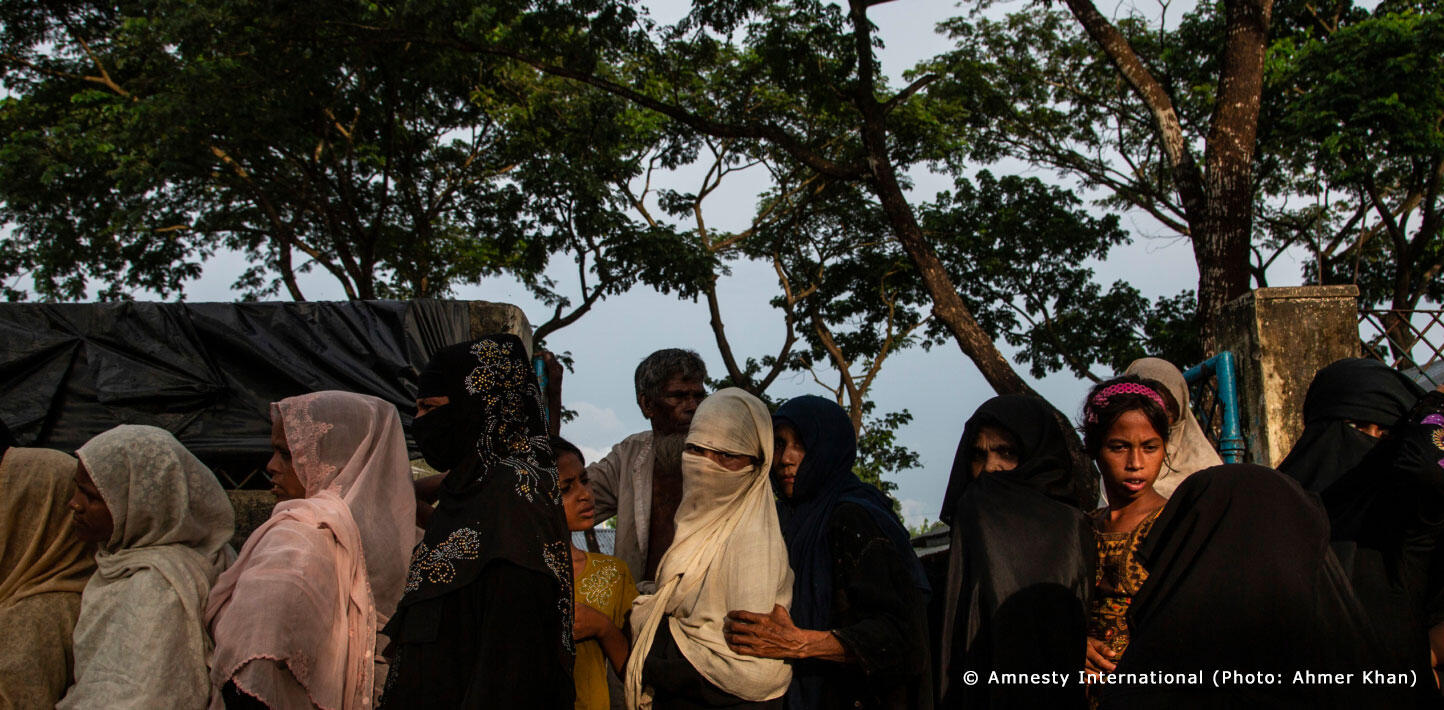
ミャンマー:フェイスブック、ロヒンギャ迫害を助長 問われる責任 : アムネスティ日本 AMNESTY

Facebook: Last Week Tonight with John Oliver (HBO)
Facebook's failure in Myanmar is the work of a blundering toddler
Beyond Hate Speech and Misinformation: Facebook and the Rohingya Genocide in Myanmar
Myanmar: The social atrocity: Meta and the right to remedy for the Rohingya - Amnesty International
Myanmar: Facebook’s systems promoted violence against Rohingya; Meta owes reparations – new report