Interviews have been lightly edited for clarity. The first image of a police officer that comes to mind is probably of one in action. Few imagine the cop spending hours behind their desk, writing r…
Police Abolition | The Paper Pilot
The Paper Pilot's digital garden of thoughts on philosophy, politics, and sociology
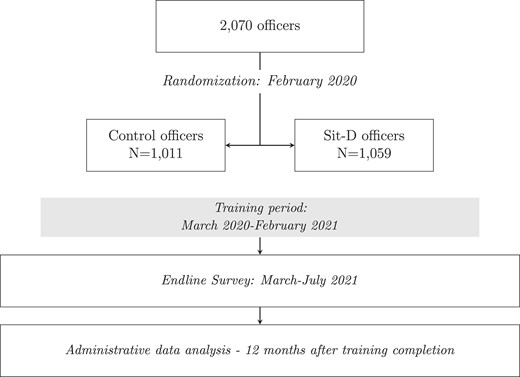
Amid a big hiring push, police experts question ICE officer vetting
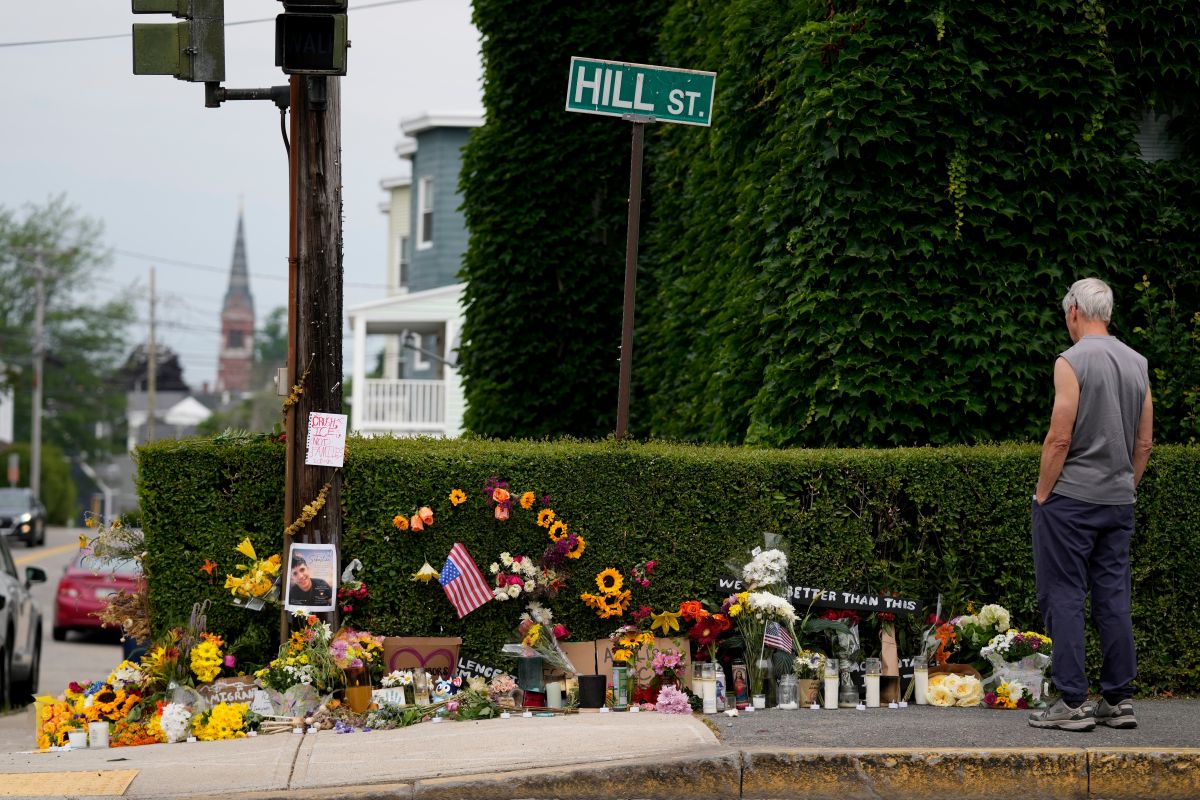
The recent fatal shootings by ICE officers in Texas and Maine come at a time when the federal agency has hired a huge number of officers quickly. Some law enforcement experts worry that this kind of a hiring spree can lead police agencies to cut corners in vetting new hires.
A Cognitive View of Policing
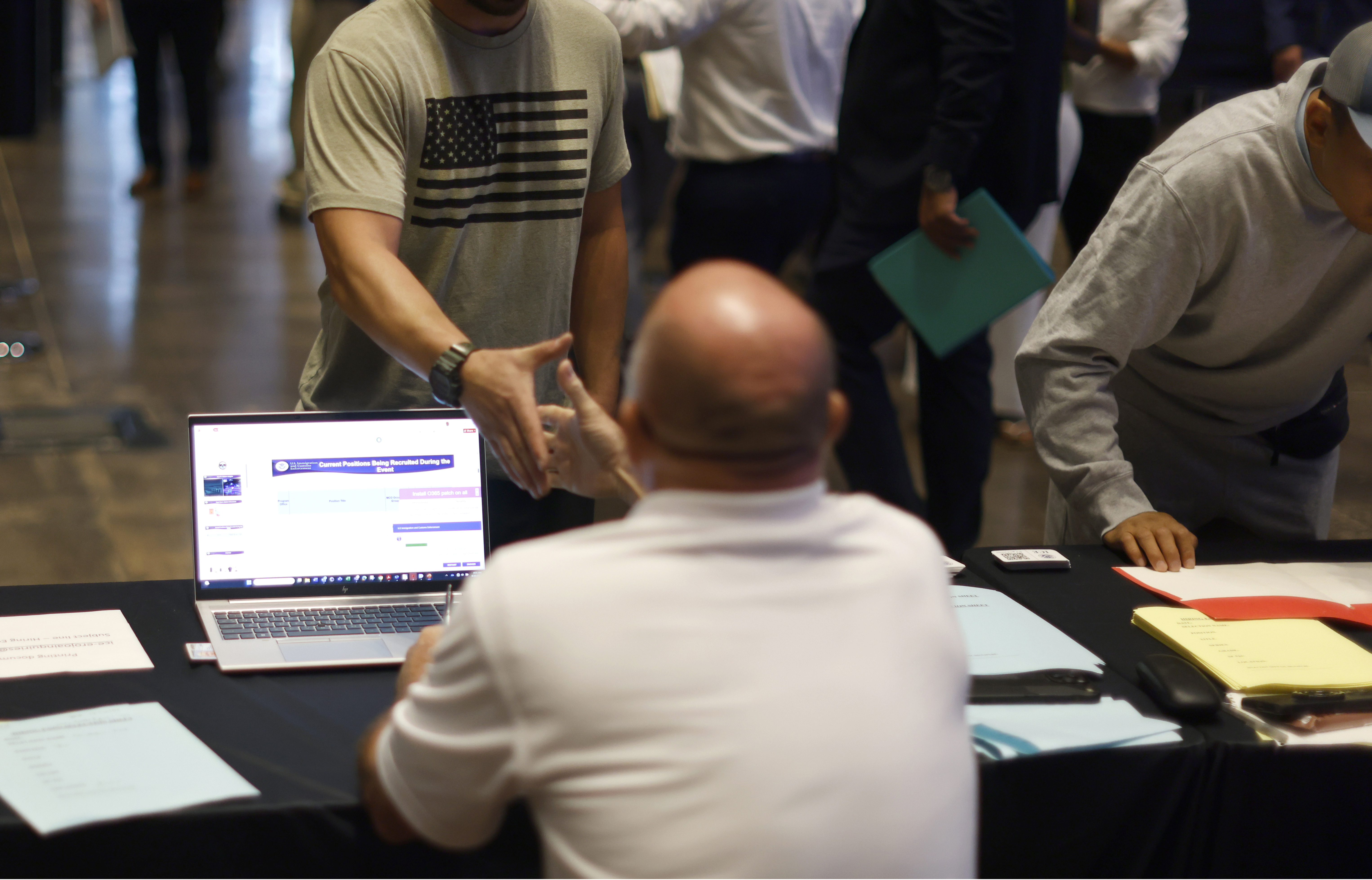
Abstract What causes adverse policing outcomes, such as excessive uses of force and unnecessary arrests? Prevailing explanations focus on problematic officers or deficient regulations and oversight. We introduce an overlooked perspective. We suggest that the cognitive demands inherent in policing can undermine officer decision making. Unless officers are prepared for these demands, they may jump to conclusions too quickly without fully considering alternative ways of seeing a situation. This can lead to adverse policing outcomes. To test this perspective, we created a new training that teaches officers to consider different ways of interpreting the situations they encounter. We evaluated this training using a randomized controlled trial with 2,070 officers from the Chicago Police Department. In a series of lab assessments, we find that treated officers were significantly more likely to consider a wider range of evidence and develop more explanations for subjects’ actions. Critically, we also find that training affected officer performance in the field, leading to reductions in uses of force, discretionary arrests, and arrests of Black civilians. Meanwhile, officer activity levels remained unchanged, and trained officers were less likely to be injured on duty. Our results highlight the value of considering the cognitive aspects of policing and demonstrate the power of using behaviorally informed approaches to improve officer decision making and policing outcomes.
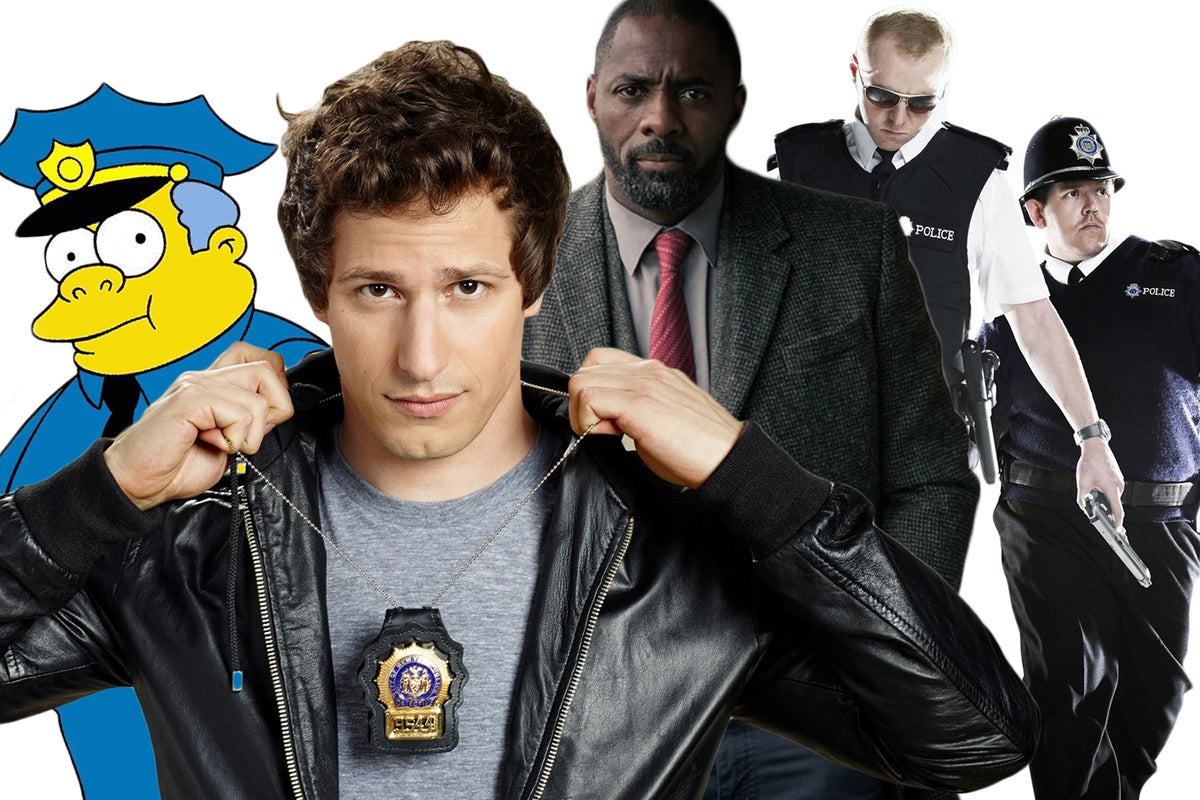
Copaganda: Why film and TV portrayals of the police are under fire
Images of badass cops or lovable goofballs on our screens needs revising, and not just in US shows like ‘Brooklyn Nine-Nine’ but British TV too, says our new arts columnist Micha Frazer-Carroll
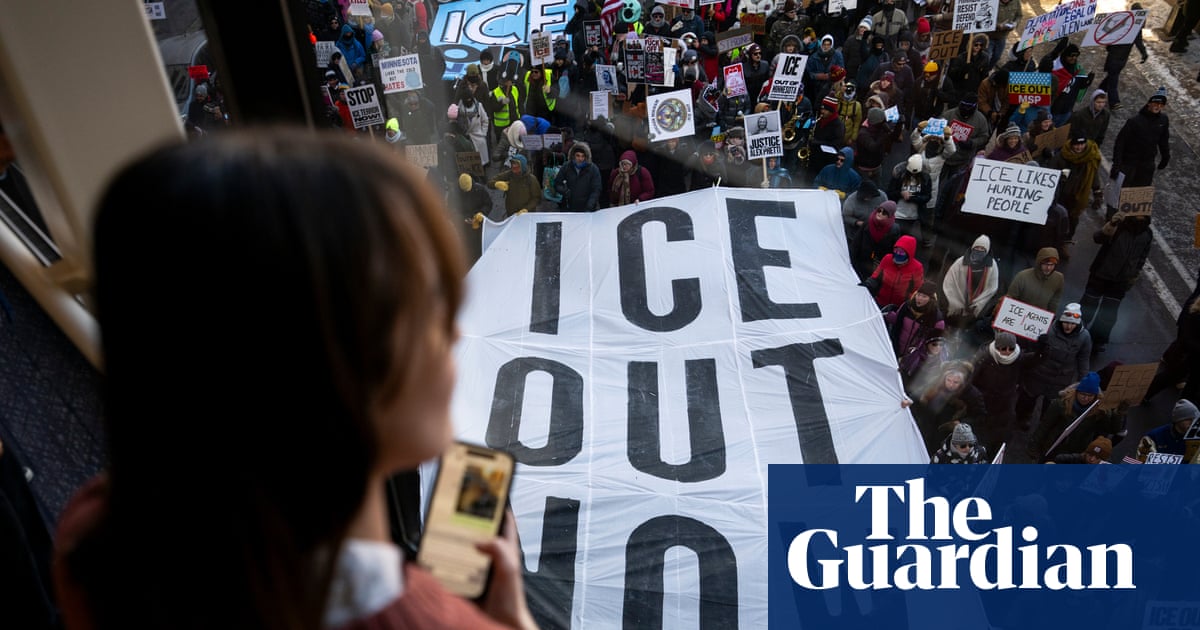
Revealed: How undercover agents spied on anti-ICE protesters in Minnesota
DHS officers posed as concerned citizens, joining Signal groups and taking photos of community meetings
[122] Arresting Flexibility: A QJE field experiment on police behavior with about 40 outcome variables
A forthcoming paper in the Quarterly Journal of Economics (QJE), “A Cognitive View of Policing” (htm), reports results from a field experiment showing that teaching police officers to &…

No man’s hand: artificial intelligence does not improve police report writing speed
This study examines the potential of artificial intelligence (AI) to reduce the time police officers spend writing reports, a task that consumes a significant portion of their workday.

Richard Sandler: Street Photography, Eye Contact & the End of the Old New York | Eyeshot 50mm Ep. 55
How Local Cops Are Running With Trump's NSPM-7 Attacks on Antifa
Local police accused the same legal assistance group targeted by Joseph McCarthy of being part of a vast antifa conspiracy.
News - Vancouver Police Department

The Deepfake Defense—Exploring the Limits of the Law and Ethical Norms in Protecting Legal Proceedings from Lying Lawyers
Thousands of audiovisual images documented the insurrectionists who stormed the United States Capitol on January 6, 2021. Authorities subsequently collected those images and charged some for their criminal conduct. Given the overwhelming audiovisual evidence implicating the insurrectionists, it should be impossible to assert a plausible defense claiming that those unmistakably depicted in the images were not present. Right? Wrong. As the defense in the federal criminal trial of January 6th insurrectionist leader Guy Reffitt illustrated, the emergence of “deepfakes” has changed the landscape of plausible defenses to crimes. Reffitt led the attack on the Capital. Videos and other visual images showed him at the head of the crowd advancing on the Capitol’s West Terrace. He was arrested and charged with multiple crimes. And although the evidence, including audiovisual images, against Reffitt, was clear and overwhelming, his lawyer undermined it, arguing to the jury that the evidence against Reffitt was a “deepfake” – an audiovisual recording created using Artificial Intelligence technology that allows anyone with a smartphone to believably map one person’s movements and words onto the image of another person. Unfortunately, the law does not provide a clear response to Reffitt’s lawyer’s reliance on deepfakes as a defense. <br><br>But this much is clear—the “deepfake defense” is a new challenge to our legal system’s adversarial process and truth-seeking function. Because the norms of professional ethics require lawyers to advocate zealously, deepfakes invite lawyers to raise objections and arguments to evidence to exploit juror bias and skepticism about what is real. Thus, lawyers may plant the seeds of doubt in jurors’ minds to question the authenticity of all digital audio and visual images, even those counsel knows to be genuine.<br><br>Currently, no rule of procedure, ethics, or legal precedent directly addresses the presentation of the “deepfake defense” in court. The existing standards provide scant guidance because they were developed before the advent of deepfake technology. As a result, they do not solve the concern of how to deter lawyers from exploiting it. Although in the last several years, legal scholarship and the popular news media have addressed certain facets of deepfakes, there has been no in-depth commentary on the “deepfake defense.” This article is the first to explore the deepfake defense, locating it within the historical and current framework of lawyers’ efforts to fabricate evidence and the laws and the practice norms that exist to curb that conduct. It proposes a reconsideration of the ethical rules governing candor, fairness, and the limits of zealous advocacy and urges a re-examination of the court’s role in sanctioning such conduct. Thus, this article offers novel proposals to guide the way forward for lawyers and courts as they traverse this new technological landscape.

Sebastian Roché (@sebastianjroche.bsky.social)
CNRS Science Politique/ Police & Démocratie / éditeur Policing & Society/ compte perso

Here’s how cops are using high-tech tools to monitor protesters
When Americans take to the streets to make their voices heard, they’re inevitably dragging their digital trails right along behind them.
Biddeford shooting renews questions about ICE tactics, training
A review of previous Maine cases show how investigations into use of force often lean heavily on officers’ perception of potential harm.